




Blog

All New Inventory Local Comparison Technology Finance Green Silverado 1500 Chevy Guide Pre-Owned Inventory News Gulfport Chevrolet Dealer Parts People Silverado HD Community Events Service Social Blazer Colorado Gulfport Chevrolet Service Traverse
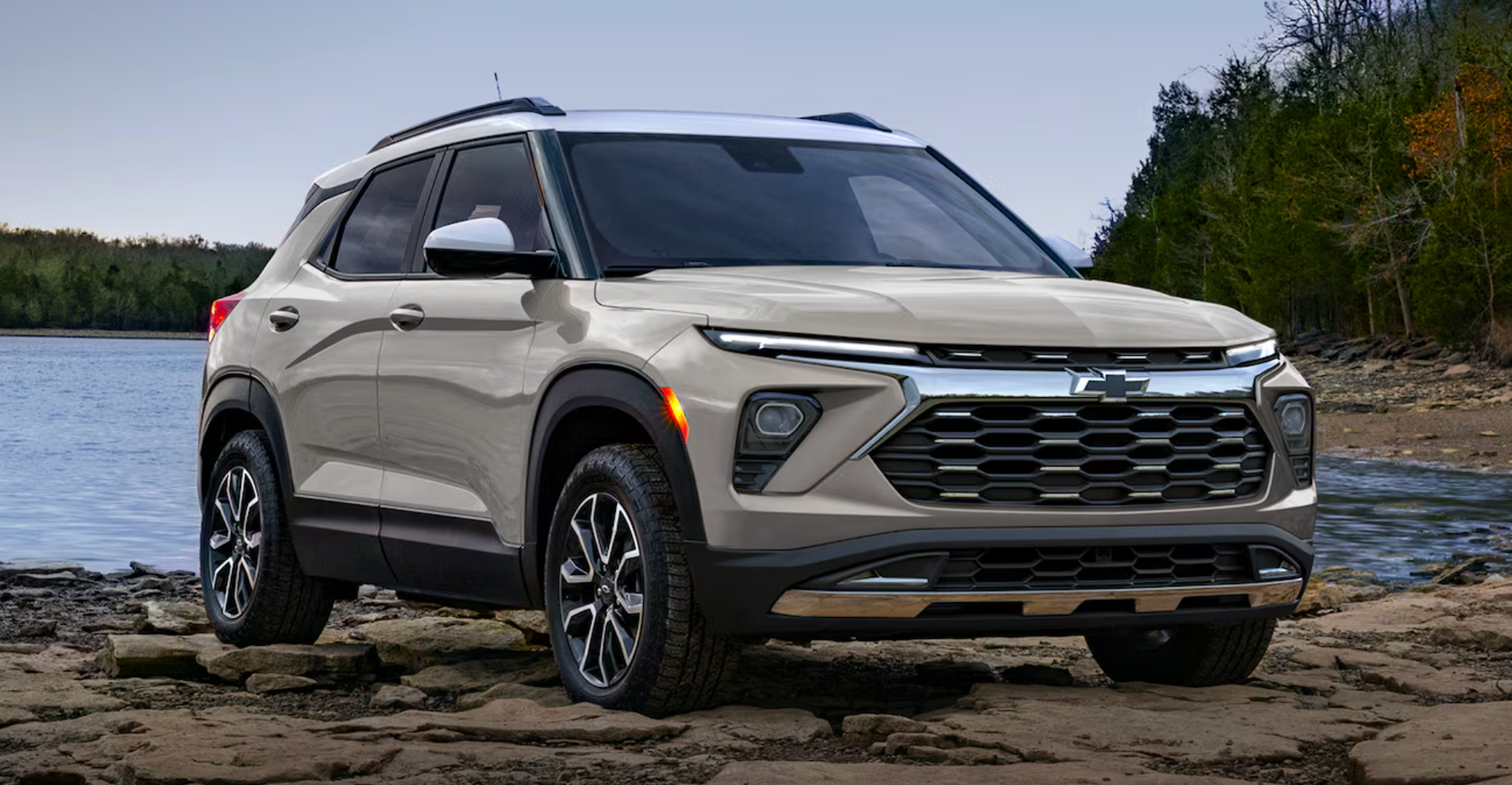
chevy trax

What's New With the 2027 Chevy Trax?

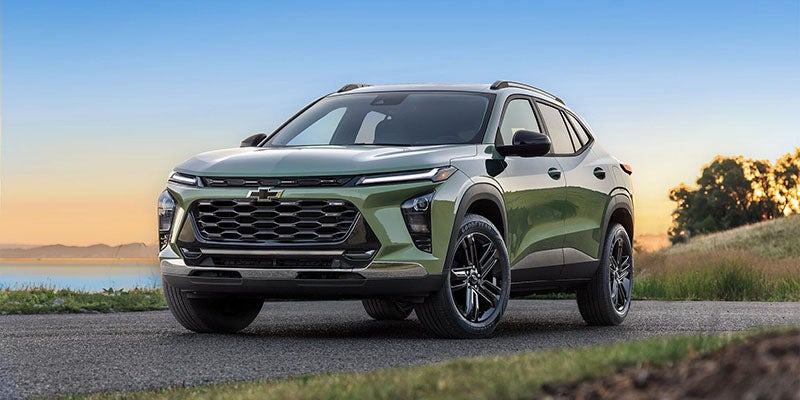
What’s New With the 2027 Chevy Trax? The Chevy Trax has become one of the easiest SUVs to recommend for drivers who want something affordable, stylish, and simple to live with every day. It is small enough for easy parking around Gulfport, Biloxi, and the Mississippi Gulf Coast, but still gives you the higher seating position and flexible cabin space that make SUVs so useful. Now, the 2027 Chevy Trax is getting a fresh update. Chevrolet is keeping the same practical spirit that made the Trax popular, but adding new design details, larger screens, updated technology, more standard safety and driver assistance features, and new color options. For shoppers who want a compact SUV that feels modern without moving into a larger or more expensive model, the 2027 Trax should be worth watching closely. Here is a closer look at what is new with the 2027 Chevy Trax, what carries over, and what Gulf Coast drivers should know before it arrives. A Refreshed Exterior Design The 2027 Chevy Trax gets a more polished look outside. Chevrolet says the new Trax will feature a new exterior design with a more premium feel, giving the SUV a sharper presence from the front, side, and rear. Updates include a new grille, refreshed wheel designs, all-LED lighting, and an enhanced rear design. That matters because the Trax has always been a value-focused SUV, but the latest version looks less like a basic entry-level vehicle and more like a smart, stylish everyday crossover. For drivers who want an SUV that feels right at home pulling up to work, heading to the beach, or running errands along Highway 49, the new design should help the 2027 Trax stand out. Chevrolet is also giving different trims more distinct personalities. The RS keeps the sportier look, while ACTIV leans into a more adventurous style. LT should remain a strong starting point for shoppers who want useful features and modern design without overcomplicating the buying process. New Colors for the 2027 Trax Color is another area where the 2027 Trax gets more interesting. Chevrolet has announced three new exterior color options: Lagoon, Sunrise Orange, and Pacific Blue Metallic. These colors give the Trax a little more personality, which fits the model well. This is an SUV for drivers who want something practical, but not boring. There is also a new Storm Sky Gray interior color debuting for the Chevrolet brand. This gives the cabin a more natural, modern look and should pair well with the updated dashboard and screen layout. For shoppers who care about style but still need a vehicle that makes sense for daily driving, these new color choices are a nice upgrade. Larger Screens and Updated Cabin Tech The biggest everyday difference may be inside the 2027 Trax. Chevrolet is upgrading the screen setup with an 11.3-inch center touchscreen and an 11-inch Driver Information Center. That gives the cabin a more modern layout and makes key information easier to see while driving. The 2027 Trax will also continue to focus on smartphone-friendly technology. Wireless Apple CarPlay and Android Auto compatibility are part of the tech story, making it easier to bring your maps, music, calls, and messages into the vehicle without plugging in every time you drive. Chevrolet is also previewing Google built-in features with Google Gemini. That means the Trax is moving toward a more conversational, connected driving experience where drivers can use voice commands more naturally for select tasks. For a compact SUV in this price range, that is a meaningful technology upgrade. More Standard Safety and Driver Assistance Features Another major update for 2027 is safety technology. Chevrolet says the 2027 Trax will include more than 20 standard safety and driver assistance features. That is a big selling point for families, commuters, first-time SUV buyers, and anyone who wants extra confidence on busy Gulf Coast roads. The available safety and driver assistance feature list includes helpful systems such as HD Rear Vision Camera, Reverse Automatic Braking, Lane Change Alert with Side Blind Zone Alert, Intersection Automatic Emergency Braking, Side Bicyclist Alert, Teen Driver, Safety Alert Seat, Rear Seat Reminder, Rear Seat Belt Indicator, and Buckle to Drive. Of course, these systems do not replace attentive driving, but they can make everyday driving feel easier. Whether you are backing out of a parking space, merging on I-10, driving through downtown Gulfport, or teaching a younger driver good habits, the added safety tech gives the 2027 Trax more built-in value. Keyless Convenience and a More Modern Feel The 2027 Chevy Trax also moves away from a few older features. Chevrolet says manual climate controls, keyed ignition, and analog gauges will be discontinued for the 2027 model. In their place, the Trax gets a more modern setup with keyless operation, digital displays, and updated cabin controls. That may sound like a small change, but it helps the Trax feel more current. Small SUVs are often daily drivers, so details like larger screens, easy access, cleaner controls, and a more modern dashboard layout can make a real difference over time. Available Power Liftgate for the First Time One of the more practical updates is the available power liftgate. This is the first time Trax will offer this feature, and it is exactly the kind of convenience upgrade compact SUV shoppers can appreciate. Loading groceries, beach bags, sports gear, or luggage is easier when you can open the rear liftgate with less effort. For a vehicle that is likely to be used for commuting, errands, weekend trips, and family driving, the available power liftgate gives the 2027 Trax another everyday advantage. Still Practical, Still City-Friendly Even with the new look and upgraded technology, the 2027 Trax stays focused on what made the model popular in the first place. It remains a front-wheel-drive compact SUV that is easy to drive, easy to park, and easy to fit into daily life. The 2027 Trax seats up to five and offers a flexible cabin with 60/40 split-folding rear seats. Chevrolet also lists 38.7 inches of rear-seat legroom, which helps the Trax feel more useful than many shoppers might expect from a smaller SUV. For Gulfport-area drivers, that combination makes sense. You get a vehicle that is comfortable enough for commutes, quick drives to Biloxi, or weekend plans around the Mississippi Gulf Coast, but still compact enough to feel simple around town. The Trax is not trying to be a three-row SUV or a rugged truck. It is trying to be a smart everyday SUV, and the 2027 updates should make it even stronger in that role. What Models Will Be Available? Chevrolet is currently highlighting three available 2027 Trax models: LT, RS, and ACTIV. The LT is the strong starting point. It should appeal to shoppers who want modern features, good style, and strong value without needing the boldest trim. The RS is the sportier-looking option, with more athletic design details and available 19-inch wheels. The ACTIV trim leans more upscale and adventurous, giving the Trax a more distinctive look and a higher-content feel. That three-model structure should make shopping easier. Instead of sorting through a long list of confusing trims, shoppers can focus on the personality that fits them best: practical, sporty, or more expressive. When Will the 2027 Chevy Trax Be Available? Chevrolet says the 2027 Trax is expected to be available in spring 2027. Pricing has not been released yet, so shoppers who are comparing budget, payment, or lease options should keep an eye out for final details closer to launch. If you do not want to wait, you can already explore the current Chevy Trax for sale in Gulfport, MS at Turan-Foley Chevrolet. The current Trax remains a strong choice for drivers who want a compact SUV with sharp styling, useful technology, and everyday versatility. Should You Wait for the 2027 Trax or Shop Now? That depends on what you need. If you are excited about the refreshed design, larger screens, expanded safety technology, and new colors, waiting for the 2027 Trax could make sense. The updated model should feel more modern inside and out, especially for shoppers who care about tech and design. On the other hand, if you need a vehicle soon, the current Trax is still a strong option. You can browse Turan-Foley Chevrolet’s new Chevy inventory now to see what is available, compare trims, and check current offers. You can also review new Chevy specials to see whether there are current opportunities that make shopping now more appealing. Drivers with a trade-in may also want to start early. Use the trade appraisal tool to get an estimate for your current vehicle, then compare that value against a new Trax or another Chevrolet SUV. If monthly payment is the biggest question, Turan-Foley Chevrolet’s finance center can help you review lease and financing options. Is the 2027 Chevy Trax Electric or AWD? The 2027 Chevy Trax is not electric, and Chevrolet says it will be front-wheel drive across all models. For many compact SUV shoppers, that is perfectly fine. Front-wheel drive helps keep the Trax efficient, affordable, and easy to drive. If you are looking for an EV or a larger SUV, Chevrolet has other options worth considering. But if your priority is an affordable compact SUV with a modern cabin, useful safety features, and a refreshed design, the 2027 Trax should stay high on your list. Shop Chevy Trax SUVs at Turan-Foley Chevrolet The 2027 Chevy Trax brings the right kind of updates: better screens, more standard safety and driver assistance features, fresh styling, new colors, and added convenience. It does not abandon what made the Trax appealing. It simply makes Chevy’s compact SUV feel more modern, more confident, and more useful for everyday life. While the 2027 model is expected in spring 2027, you can shop current Trax models today at Turan-Foley Chevrolet in Gulfport, MS. Browse our new Chevy Trax inventory, compare our latest Chevy specials, value your trade, or visit us to find a compact SUV that fits your life on the Mississippi Gulf Coast.

Read More
blue chevy truck

Chevy Trucks by Size: Smallest to Largest

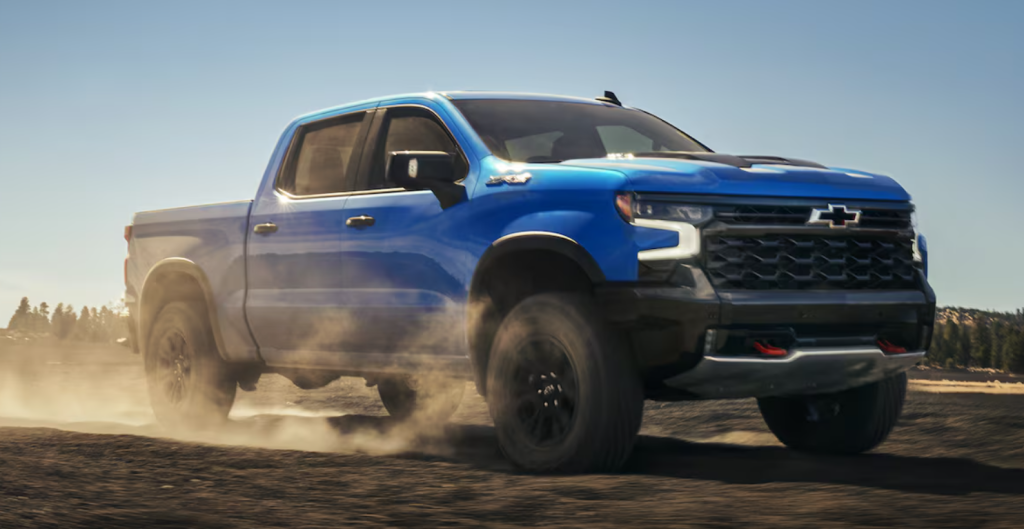
Picking the right truck comes down to what you're going to do with it day in, day out. Chevrolet builds trucks for boat hauling in Bay Saint Louis, job-site trailer duty around Gulfport and Biloxi, and everyday errands in Ocean Springs where parking space is tight but you still need to haul mulch on a Saturday. Knowing Chevy truck sizes from smallest to largest makes matching a model to your life a lot easier. Before you dive in, feel free to browse our new Chevy truck inventory to see what's currently on our lot. This guide breaks down Chevy truck specs, cab configurations, and bed dimensions across the Chevrolet pickup truck lineup, so you can pick a model based on your actual needs instead of guessing. Chevy Truck Sizes at a Glance: Smallest to Largest Chevrolet's current truck lineup breaks into three tiers. The Colorado is the midsize entry, built for drivers who want real capability without a full-size footprint. The Silverado 1500 sits above it as the full-size light-duty model, the one most Gulf Coast families and contractors already know well. Then there's the Silverado HD, split into the 2500HD and 3500HD, built for towing and payload jobs that go beyond what a light-duty truck can handle. Each step up brings more length and weight capacity along with a stronger engine, but also a bigger turning radius and a different ownership experience overall. The rest of this guide walks through each one in detail. Chevy Colorado: The Midsize Truck for Everyday Versatility The Colorado is the smallest truck in the current lineup, built for people who want truck capability without full-size bulk. It comes in six trims, from the work-focused WT up through LT, Trail Boss, Z71, ZR2, and ZR2 Bison, giving buyers real choice in how rugged or refined they want the truck to feel. Size, Cab, and Bed Practicality The Colorado comes exclusively in a Crew Cab configuration, so every buyer gets four full doors and rear seating standard. The bed runs 5'2" (61.7 inches), with 41.9 cubic feet of cargo volume. Overall length runs 212.7 to 213.2 inches depending on trim, on a 131.4-inch wheelbase. Height ranges from 78.8 to 81.9 inches depending on trim, and width comes in at 84.4 inches including mirrors. Payload tops at 2,046 lbs, and towing tops out at 7,700 lbs, but that figure requires the Advanced Trailering Package. Without it, a Colorado is rated at 3,500 lbs, and the off-road ZR2 and ZR2 Bison top out at 6,000 and 5,500 lbs respectively because of their trail hardware. Every Colorado runs the 2.7L TurboMax engine, producing 310 horsepower (HP) and 430 lb-ft of torque, a torque figure Chevrolet calls best-in-class for the segment. That matters if you're hauling a trailer of landscaping equipment or towing a small boat. Who the Colorado Fits Best If you're commuting into Gulfport for work and want something that still fits in a standard garage or a tight spot in Ocean Springs, the Colorado makes sense. It's also a solid pick for weekend anglers launching small boats near Bay Saint Louis, though if towing is part of the plan, spec the Advanced Trailering Package rather than assuming any Colorado hits 7,700 lbs. Families who want truck utility without a Silverado's footprint tend to land here too. Chevy Silverado 1500: The Full-Size Light-Duty Favorite The Silverado 1500 is where most buyers end up, and it's easy to see why. Nine trims cover the range, from the work-focused WT and Custom through Custom Trail Boss, LT, LT Trail Boss, RST, and LTZ, up to the off-road-ready ZR2 and the luxury-oriented High Country, so there's a configuration for nearly every use case. Cab and Bed Configurations Explained Unlike the Colorado, the Silverado 1500 offers three cab styles: Regular Cab, Double Cab, and Crew Cab. Paired with bed choices, that gives buyers real flexibility. The short bed comes in at 5'8" (69.9 inches) and 62.9 cubic feet of cargo space, the standard bed stretches to 6'7" (79.4 inches) and 71.7 cubic feet, and the long bed tops out at 8 feet (98.2 inches) with 89.1 cubic feet. All three bed lengths share the same 50.6 inches between the wheel wells, wide enough to lay a 4x8 sheet of plywood flat, which matters if you're running material to a job site in Picayune. The bed also includes 12 tie-downs rated at 500 lbs each. Width is 81.2 inches without mirrors and height is 75.5 inches across the lineup, while wheelbase depends on the build: a Crew Cab Short Bed sits on 147.4 inches, and stepping up to the standard bed stretches it further. Towing, Daily Driving, and Gulf Coast Recreation The engine lineup gives the Silverado 1500 real range. The 2.7L TurboMax, the same engine found in the Colorado, handles up to 9,500 lbs of towing here thanks to the larger platform. From there you can step up to the 5.3L EcoTec3 V8, the 6.2L EcoTec3 V8, or the 3.0L Duramax Turbo-Diesel. That 13,300 lb ceiling belongs to one specific build: a Double Cab Standard Bed 2WD with the Duramax, the Max Trailering Package, and 20-inch wheels. Other combinations tow less, so match the configuration to the load rather than the headline number. Max payload runs up to 2,260 lbs on a Regular Cab Long Bed 2WD with the TurboMax engine. For trailering confidence, the Silverado 1500 offers up to 14 camera views, handy when backing a boat trailer down a ramp in Bay Saint Louis or threading a job-site trailer through tight streets in D'Iberville. As a 4x4 option across most trims, it handles sandy boat launches and occasional off-pavement work common along the Mississippi Gulf Coast just fine. If you want to feel the difference between engines yourself, you can schedule a test drive in Gulfport at our dealership, or get pre-approved online before you visit. Chevy Silverado HD (2500HD & 3500HD): Built for Heavy-Duty Work Once you outgrow the Silverado 1500, the Silverado HD lineup takes over. Available across six models, the 2500HD and 3500HD are built specifically for towing and payload work that exceeds light-duty limits. Size and Configuration Differences from Light-Duty Models The Silverado HD shares some bed geometry with the 1500, including a similar 71.4-inch floor width and the same 50.6-inch gap between wheel wells, but the bed itself is built tougher. Chevrolet describes the HD bed as the "hardest-working bed" in its lineup, built with high-strength roll-formed steel to handle heavier daily abuse. Standard bed length runs approximately 82.3 inches (6'10"), with an 8-foot long bed also available, and total cargo space reaching 86.5 cubic feet. The gap between HD and 1500 shows up most clearly in payload. The 2500HD offers up to 3,979 lbs of payload when properly equipped, while the 3500HD pushes that to as much as 7,442 lbs. On towing, the 3500HD is rated up to 36,000 lbs in its maximum configuration. The 2500HD tows up to 18,500 lbs with the 6.6L gas V8 and up to 20,000 lbs with the available Duramax 6.6L turbo-diesel, again when properly equipped. Higher trims like the ZR2 bring a 13.4-inch touchscreen and a 12.3-inch Driver Information Center, and the Trail Boss package is available on LT and LTZ trims for buyers who want off-road capability alongside heavy-duty capacity. Who Needs a Silverado HD This tier is built for contractors hauling equipment trailers near Gulfport, Biloxi, or Picayune, and for anyone regularly towing loads that push past what a 1500 can handle. If your work involves gooseneck trailers, heavy machinery, or livestock hauling, the HD's payload and towing ceiling make it the more dependable choice. Chevy Colorado vs Silverado 1500 vs Silverado HD: Side-by-Side Comparison Here's how the three tiers stack up on the specs that usually decide the purchase. Keep in mind that the towing and payload figures below are maximums for properly equipped trucks, so the number on your build sheet depends on cab, bed, drivetrain, and which trailering package is on the vehicle. Feature Colorado Silverado 1500 Silverado HD Class Midsize Full-size, light-duty Full-size, heavy-duty Cab styles Crew Cab only Regular, Double, Crew Cab Regular, Double, Crew Cab Bed length(s) 5'2" 5'8", 6'7", 8' 6'10" standard, 8' available Max towing 7,700 lbs with Advanced Trailering Package (3,500 lbs without) Up to 13,300 lbs (Duramax, specific configuration) 18,500–20,000 lbs (2500HD), up to 36,000 lbs (3500HD) Max payload Up to 2,046 lbs (properly equipped) Up to 2,260 lbs (properly equipped) Up to 3,979 lbs (2500HD), 7,442 lbs (3500HD) Matching Truck Size to Your Lifestyle Specs matter, but they only tell part of the story. How you actually use the truck week to week should drive the decision more than any single number on a spec sheet. Jobsite and Towing Needs For light-duty tasks like hauling tools or the occasional trailer, the Colorado covers most needs. Contractors running heavier equipment trailers around Gulfport or Biloxi will find the Silverado 1500 a better middle ground, while serious jobsite hauling near Picayune, especially with gooseneck or heavy equipment trailers, points toward a Silverado HD. Family Practicality and Daily Commuting The Silverado 1500's Crew Cab options and interior room make it the more comfortable daily driver for families, especially with three cab styles to choose from. Smaller households or individuals commuting into Ocean Springs or D'Iberville may prefer the Colorado's tighter footprint and easier parking. Weekend Recreation on the Gulf Coast The Colorado handles small boats and beach gear well, while the Silverado 1500 covers most mid-size boats headed to Bay Saint Louis marinas. If your weekend hobby involves a larger vessel or a heavy camper, the Silverado HD's towing ceiling gives you more room to work with. Frequently Asked Questions What Is the Smallest Chevy Truck? The Colorado is the smallest and only midsize truck in Chevrolet's current lineup, built for everyday tasks and light hauling in a more compact package. What Is the Biggest Chevy Truck? The biggest Chevy truck, and the biggest Chevy pickup truck overall, is the Silverado 3500HD, offering the highest towing and payload figures in the lineup. Which Chevy Truck Size Is Best for Towing? The Silverado HD models offer the highest towing capacities, with the 3500HD rated up to 36,000 lbs and the 2500HD between 18,500 and 20,000 lbs depending on engine. The Silverado 1500 still covers most boats and trailers, reaching 13,300 lbs with the Duramax diesel in the right configuration. Find Your Perfect Chevy Truck at Turan-Foley Chevrolet Choosing the best Chevrolet truck for your life on the Gulf Coast comes down to matching size, bed configuration, and towing capacity to what you actually do day to day. Our team at Turan-Foley Chevrolet Buick in Gulfport can walk you through the Colorado, Silverado 1500, and Silverado HD side by side. Ready to Take the Next Step? Browse our full new Chevy truck inventory to compare trims and configurations in real time. Ready to move forward? Contact our team to ask questions or set up a visit to our Gulfport location.
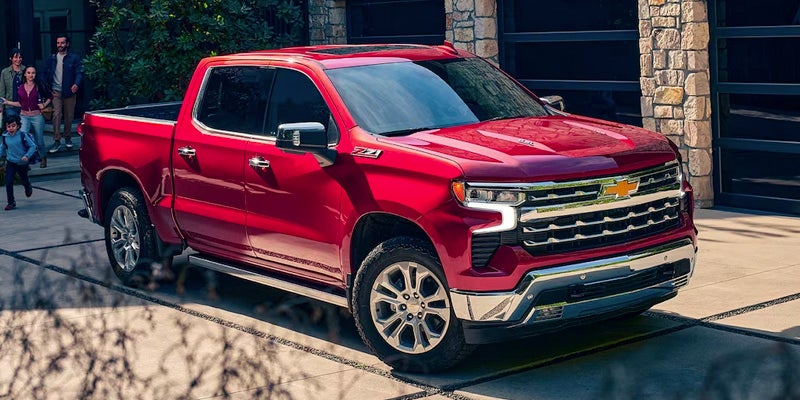
red chevy silverado 1500

Can a Chevy Silverado 1500 Pull a Camper?

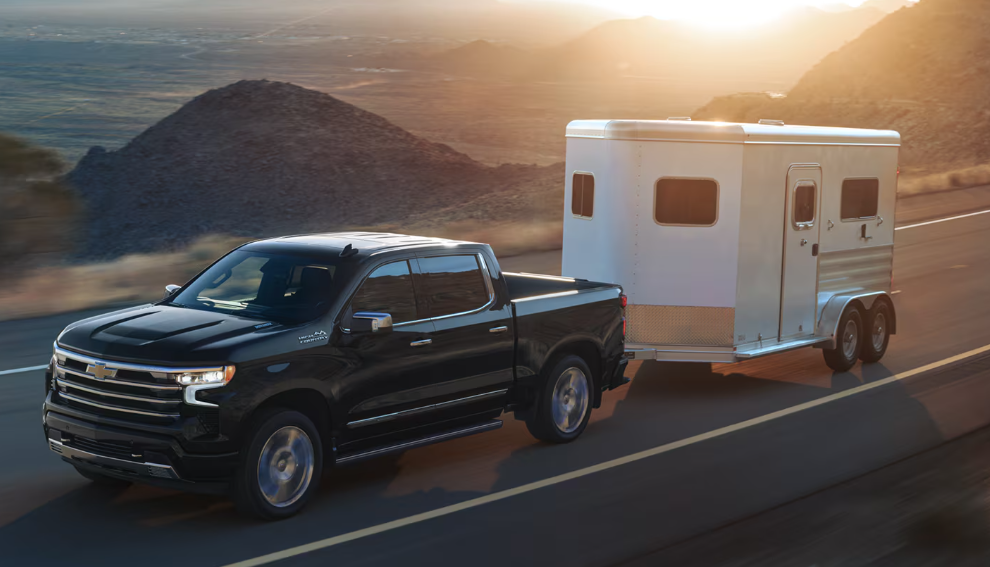
If you're planning weekend trips to the Gulf Coast or longer hauls out of state, you want a straight answer before you shop. A Chevy Silverado 1500 can pull a camper, and depending on how it's built, it can pull a big one. The catch is that "Silverado 1500" isn't one truck with one number. It's a lineup of engines, cabs, beds, and drivetrains, each with its own towing math. Before you commit to a camper, browse available Silverado 1500 trucks or schedule a test drive so you can see how a specific configuration feels with real cargo in the bed. What Size Camper Can a Silverado 1500 Actually Handle? A base engine with no towing equipment handles a small pop-up fine. Add the right engine, drivetrain, and towing package, and the same truck can handle a fifth wheel that would overwhelm a lesser setup. Matching camper size to your Silverado 1500 comes down to lining up your actual trailer weight with the truck sitting in your driveway, not the biggest number printed on a window sticker. 2026 Silverado 1500 Max Towing: Up to 13,300 Lbs When Properly Equipped Every 2026 Silverado 1500 tows at least 8,700 lbs, with an available maximum of 13,300 lbs, according to Chevrolet. That top figure is real, but it belongs to one specific build, not the lineup as a whole. Silverado 1500 diesel towing capacity and Silverado 1500 V8 towing capacity numbers move around quite a bit depending on how the truck is optioned, so treat any single "2026 Silverado towing capacity chart" you see online as a starting point for research. Your particular truck's number could look very different. The Rating Explained: Double Cab, 2WD, Duramax 3.0L I-6 Diesel, Max Trailering Package, 20-Inch Wheels The 13,300-lb figure is tied to a Double Cab, Standard Bed model with the 3.0L I-6 Duramax engine, 2WD, the NHT RPO code (which is the Max Trailering Package), and 20-inch wheels. Swap the cab for a Crew Cab Short Bed with the same engine and package, and the max towing capacity drops slightly to around 13,200 lbs. Skip the Max Trailering Package entirely, and most configurations land closer to 9,000 to 9,700 lbs, which is a meaningful gap if you're shopping for a heavier trailer. Why Engine, Cab, Bed, and Drivetrain All Change Your Number Every piece of the truck's build plays a role in its final towing capacity. A longer cab adds weight the truck has to carry, a 4WD system distributes power differently than 2WD, and the engine determines how much torque is available to get a loaded trailer moving and stopped. Here's how the engines compare on Chevrolet's published ratings: Engine Horsepower / Torque Max Conventional Towing Best Use Case 2.7L TurboMax 310 hp / 430 lb-ft Up to 9,500 lbs Pop-ups, small campers, boats, utility trailers 5.3L V8 355 hp / 383 lb-ft Up to 11,300 lbs Mid-size and larger travel trailers 6.2L V8 420 hp / 460 lb-ft Up to 13,200 lbs Heavy travel trailers, enclosed trailers Duramax 3.0L I-6 305 hp / 495 lb-ft Up to 13,300 lbs Heaviest trailers, longest hauls Each figure is a maximum for a properly equipped truck, so the drivetrain, cab, bed, and trailering package on your build all move it. Payload is a separate limit and shifts more than towing does across configurations, so confirm it against the door-jamb label for your exact truck. Dry Weight vs. Loaded Weight: Why Camper Shopping by Brochure Numbers Fails Camper brochures love to advertise "dry weight," also called UVW, which is the weight of the trailer as it left the factory. That number excludes cargo, fresh water, propane, passengers, and any dealer-installed options. A camper listed at 5,000 lbs dry can easily weigh 6,500 lbs or more once it's loaded for a trip to Ship Island or a weekend at a Gulf Coast state park. The number you actually need to compare against your truck's rating is the trailer's GVWR, since it accounts for everything the trailer can carry when fully loaded, unlike the dry weight printed on the spec sheet. Tongue Weight and Its Impact on What You Can Actually Tow Tongue weight is the downward force the trailer puts on your hitch, and it matters more than most buyers realize. For a conventional trailer, tongue weight typically runs 10 to 15 percent of the loaded trailer weight, while gooseneck and fifth-wheel kingpin weight runs higher, around 15 to 25 percent. Too little tongue weight causes sway on the highway; too much overloads the rear axle. Tongue weight limits for the Silverado 1500 are listed on the door-jamb sticker, and staying within them keeps handling predictable, even on windy Gulf Coast bridges. Payload, Passengers, and Cargo: The Overlooked Towing Limiters Towing capacity gets all the attention, but payload capacity limits you just as much. It has to cover passengers, cargo, and tongue weight together. Say your truck's payload is rated at 2,000 lbs and your loaded trailer's tongue weight is 800 lbs. That leaves only 1,200 lbs for passengers and whatever else is riding in the cab or bed. Run out of payload before you run out of towing capacity, and you're still overloaded. If this math is getting confusing for your specific setup, contact our team for personalized towing advice and we'll walk through it with you. Why You Should Check Your Exact Truck's Rating, Not Just the Max Advertised Number The 13,300-lb figure gets all the headlines, but it applies to one specific build. Your truck's actual number could be several thousand pounds lower depending on engine, cab, and options, so verify your specific rating before you buy a camper. Reading the Door-Jamb Sticker and Trailering Guide The Trailering Information Label on the driver-side door jamb has the real numbers for your truck. That label lists GVWR, GCWR, rear axle weight rating, max payload, max tongue weight, and curb weight for your exact truck, not a generic average. For total certainty before a long trip, weigh the truck-and-trailer combination fully loaded at a public scale. GVWR, GCWR, and Payload vs. Towing Capacity GVWR is the maximum the truck is allowed to weigh once it's loaded, counting the truck itself plus passengers, cargo, and fluids. GCWR is a different number entirely: it covers the combined weight of the loaded truck and the trailer together. Payload is simply GVWR minus curb weight. None of these three should get ignored in favor of the single towing figure printed on a brochure. Matching Your Camper to the Right Silverado 1500 Setup Once you know your truck's real numbers, matching a camper becomes a lot more straightforward. Pick a trailer that fits comfortably within your truck's rating instead of one that pushes it to the edge. Travel Trailers, Pop-Ups, and Fifth Wheels: Weight Ranges to Expect Travel trailers under 25 feet typically run 3,000 to 6,000 lbs dry with a GVWR around 5,000 to 8,500 lbs, which fits most half-ton trucks comfortably. Trailers between 26 and 35 feet often weigh 6,000 to 10,000 lbs dry with a GVWR up to 14,000 lbs, and may push a half-ton to its limits. Pop-ups are lighter, usually 1,400 to 3,500 lbs dry. Fifth wheels vary widely: unloaded weights commonly fall between 5,000 and 16,000 lbs, and some manufacturers list averages closer to 13,000 lbs empty with an 18,000-lb average GVWR. A three-quarter-ton or one-ton truck is the realistic minimum for most fifth-wheel setups. The 80% Rule: Towing Below Max for Safety and Control A lot of experienced towers stick to 80 percent of a truck's rated towing capacity as a practical ceiling. If your Silverado is rated at 11,300 lbs, that works out to roughly 9,040 lbs (11,300 × 0.8 ≈ 9,040 lbs). This isn't a legal requirement or a Chevrolet mandate, just a margin that makes towing noticeably less stressful when you factor in sway, braking, and axle stress. Equipment That Makes Camper Towing Safer The right hitch and safety equipment matter just as much as the truck's rating. Hitch Type and Weight-Distribution Systems Hitch requirements for the Silverado 1500 depend on trailer weight, but as a general rule, any trailer over 3,500 lbs benefits from a weight-distributing hitch. These hitches spread the trailer's weight more evenly across both axles, improving handling and reducing sway compared to a standard ball hitch. Trailer Brakes, Wiring, and Sway Control Trailers with electric brakes need a compatible brake controller, and the available Max Trailering Package includes one built in, along with a higher-capacity rear axle and heavy-duty cooling and shocks. Chevrolet's Trailer Sway Control helps manage unexpected trailer movement, while the Trailering App offers pre-departure checklists and trailer light tests before you leave home. Available camera systems, including up to 14 views, Transparent Trailer view, and Hitch Guidance, are offered on trims like LT, RST, LT Trail Boss, LTZ, and High Country, and make hitching up and backing a trailer noticeably easier. Before any trip, run through a quick checklist covering tire pressure on both truck and trailer, the hitch and safety chains, the brake controller, and your mirror and camera views. It takes a few minutes and catches most problems before they start. Choosing the Right Silverado 1500 Configuration for Your Camper Start with the camper you actually plan to tow, then build the truck spec around it. That order saves headaches down the road. Best Setups for Lighter Campers and Travel Trailers For pop-ups and smaller travel trailers, the 2.7L TurboMax, rated up to 9,500 lbs towing, is often enough, and it also tends to carry the highest payload since it's a lighter engine with less curb weight. The 5.3L V8, rated up to 11,300 lbs, covers most mid-size travel trailers with room to spare under the 80% rule. Best Setups for Heavy Fifth Wheels and Large Trailers For heavy travel trailers and enclosed trailers, the 6.2L V8 or the Duramax 3.0L I-6 diesel, both rated in the 13,000-plus range, provide the torque and stability needed. Fifth wheels are a different conversation: Chevrolet's gooseneck and fifth-wheel ratings for the Silverado 1500 top out around 10,300 lbs on select 5.3L V8 configurations, well below the conventional-hitch maximums above. If a fifth wheel is in your future, look at the 2500HD. Either way, match the truck to your heaviest regular load rather than the trailer you'll only tow occasionally. Compare Silverado 1500 Towing Setups at Turan-Foley Chevrolet Buick We've served Gulfport, Biloxi, Long Beach, Bay St. Louis, Pascagoula, Ocean Springs, D'Iberville, and the surrounding Gulf Coast communities for over 50 years, and towing questions come up often, especially from folks planning trips to nearby camping spots. Our team can walk you through GVWR, payload, and tongue weight for any Silverado 1500 on our lot so you drive away with a truck that actually fits your camper. Ready to Find Your Match? Browse available Silverado 1500 trucks, get pre-approved, or contact our team for personalized towing advice, and let's find the setup that matches how you actually plan to use it. FAQ What's the difference between GVWR and GCWR? GVWR is the maximum weight allowed for the truck itself, including payload. GCWR is the maximum allowed combined weight of the truck, its payload, and the trailer together. There isn't one universal GCWR figure across the Silverado 1500 lineup, so check your door-jamb label for your specific truck. Can a half-ton truck pull a fifth wheel? It depends on the fifth wheel. Smaller, lighter fifth wheels can fall within a well-equipped half-ton's range, but larger units, especially those with a GVWR near 18,000 lbs, typically require a three-quarter-ton or one-ton truck instead. Always compare the fifth wheel's GVWR to your truck's actual rating before assuming it will work.

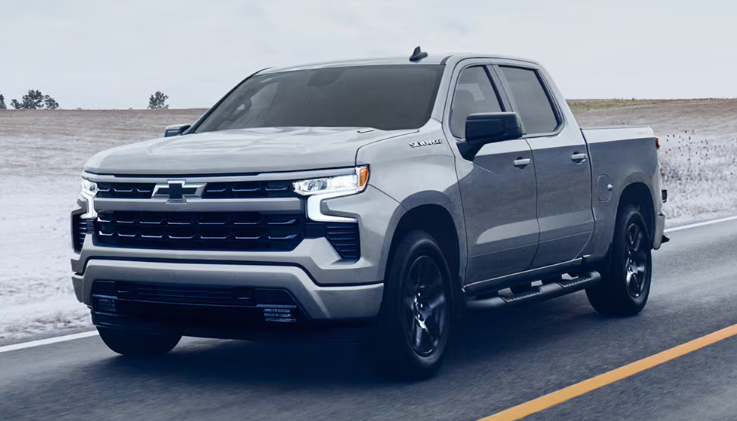
grey chevy silverado 1500

Can a Chevy Silverado 1500 Tow a Boat?

Boat owners along the Mississippi Gulf Coast ask us this question year-round, and for good reason. Whether you're hauling a bay boat out of Bay Saint Louis or launching at a ramp near Biloxi, you need a truck that can handle the load safely. Short answer: yes. A properly equipped Silverado 1500 can tow up to 13,300 lbs, which makes it a strong option for most boats you'll find on the Mississippi Sound. You can browse new Silverado 1500 inventory to see what's currently on the lot. Can a Chevy Silverado 1500 Tow a Boat? The Short Answer A properly equipped Silverado 1500 offers up to 13,300 lbs of max towing capacity. For most Gulf Coast boats you won't need anywhere near that, since even the base TurboMax is rated to 9,500 lbs and a loaded pontoon rig usually comes in under 4,000. That top figure belongs to one specific build, not every truck on our lot. Silverado 1500 towing capacity depends heavily on which engine you choose, your cab style, bed length, and drivetrain, plus any optional trailering equipment. Because of that variance, we tell customers the same thing every time: your exact numbers come from the labels inside your driver's door jamb, not a general spec sheet. The Tire and Loading Information label gives your payload, and the trailering section of your owner's manual gives your tow rating. Our team at Turan-Foley Chevrolet can confirm both for your specific build before you hook up a trailer. What Determines Your Silverado 1500's Real Boat-Towing Capacity Chevrolet Silverado towing capacity isn't a single fixed number. It shifts based on engine choice, trailering equipment, payload capacity, and how weight is distributed across the hitch. Understanding these factors helps you figure out how much towing capacity you actually need for a boat, rather than just going by the headline max figure. Engine and Trailering Package Options The Silverado 1500 lineup includes four engine choices. The 2.7L TurboMax makes 310 hp and 430 lb-ft, the 5.3L EcoTec3 V8 makes 355 hp and 383 lb-ft, the 6.2L EcoTec3 V8 makes 420 hp and 460 lb-ft, and the 3.0L Duramax Turbo-Diesel makes 305 hp and 495 lb-ft. Towing follows a similar order: up to 9,500 lbs with the TurboMax, 11,300 with the 5.3L, 13,200 with the 6.2L, and 13,300 with the Duramax, each properly equipped. Adding the Max Trailering Package (RPO NHT) brings an integrated trailer brake controller, heavy-duty cooling and shocks, and a higher-capacity rear axle. These upgrades matter if you're pulling a heavier fishing boat regularly or a full-size pontoon rig. Payload Capacity, Tongue Weight, and Braking Payload capacity works alongside towing capacity, and the two aren't interchangeable. Max available payload on the Silverado 1500 is 2,260 lbs, which needs to cover passengers, gear, and tongue weight all at once. Tongue weight typically runs 10 to 15 percent of total trailer weight, and exceeding your payload limit can hurt handling even if you're under your towing max. Braking matters too. Mississippi requires service brakes on trailers, with a narrow exception for two-axle trailers under 2,000 lbs GVW towed behind a passenger automobile, so plan on working brakes for any loaded boat trailer. The Silverado's available integrated trailer brake controller ties into the ABS and StabiliTrak systems for smoother stops on models so equipped. Matching Common Gulf Coast Boats to the Right Silverado Setup Different boats call for different truck setups, and matching the two correctly keeps you well within your GCWR (Gross Combination Weight Rating) and hitch rating limits. Here's how common Gulf Coast boats generally stack up against Silverado configurations, though you'll still want to confirm your own numbers before towing. Fishing and Bay Boats Fishing and bay boats popular for Gulf fishing trips out of Gulfport and Ocean Springs vary widely in weight. Smaller skiffs run 300 to 1,000 lbs, while an average fishing boat lands around 3,000 lbs as a general estimate, with larger rigged boats climbing to 4,000 to 6,000 lbs. Compare your specific boat's weight against your truck's rated capacity rather than assuming any single engine automatically covers it. Pontoon Boats Pontoon boats tend to run heavier than they look. Dry weights typically fall between 2,000 and 2,500 lbs, and once you add a trailer around 1,200 lbs plus fuel and gear, total towed weight often reaches close to 3,700 lbs. A rough rule of thumb puts pontoon weight at 100 to 120 lbs per foot of length, a useful starting point when estimating your own boat. Small Recreational Boats and Personal Watercraft Jet skis and personal watercraft weigh far less, generally 300 to 950 lbs for the craft itself, with trailers adding another 170 to 1,200 lbs depending on style. These lighter loads are usually well within reach of any Silverado 1500 configuration, but it's still worth checking total combined weight if you're hauling multiple watercraft on one trailer. Calculating Your Boat's True Towing Weight Knowing your boat's dry weight isn't enough. Total towed weight includes the trailer, fuel, water, gear, and passengers riding along, and skipping this step is one of the most common mistakes boat owners make when matching a truck to a trailer. Boat, Trailer, Fuel, and Water Weight Start with your boat's weight, then add trailer weight, which can range anywhere from 100 to 4,400 lbs depending on trailer type and size. Fuel adds up quickly too. Thirty gallons of gasoline weighs roughly 185 lbs, and a 20-gallon freshwater tank adds about 167 lbs. These numbers stack fast on a full tank before you've even loaded gear. Gear, Coolers, Batteries, and Passengers Coolers, batteries, tackle, and safety gear all add weight beyond the boat and trailer themselves. Passengers count too, averaging around 195 lbs each. The full formula looks like this: boat weight plus trailer weight plus fuel plus gear plus passengers equals your total towed weight. Run that number against your Silverado's rated towing capacity and GCWR before you head to the ramp. If you're weighing financing options while you shop for the right configuration, you can get pre-approved for financing through our team, or explore used Silverado 1500 inventory if a pre-owned truck fits your budget better. Gulf Coast Considerations: Ramps, Saltwater, and Launch Conditions Towing along the Mississippi Gulf Coast comes with its own quirks. Boat ramps near the coastal towns here often involve steep approaches or soft sand, which puts extra demand on braking and traction systems. Saltwater exposure is another factor worth planning for, since trailers and hitches near the coast face more corrosion risk than inland setups. Chevrolet backs the Silverado 1500 with general rust coverage for 3 years or 36,000 miles, plus rust-through coverage extending to 100,000 miles or 6 years. That kind of coverage gives real peace of mind if you're launching regularly in saltwater conditions. A few quick boat towing tips for Gulf Coast conditions: set up and test your trailer brake controller before you leave the driveway, not at the ramp. Consider a weight-distribution hitch for pontoons and larger fishing packages to keep the truck level and steady. Run through a pre-launch check every time, covering lights, tires, hitch pins, and safety chains. And rinse hitch and trailer components after saltwater exposure to slow corrosion. Chevy Trailering Technology That Simplifies Boat Towing Towing with a Silverado 1500 gets noticeably easier thanks to the trailering technology built into the truck. Tow/Haul Mode comes standard and adjusts the transmission's shift schedule automatically to prevent gear-hunting while you're pulling a load, whether that's a light skiff or a loaded pontoon trailer. The available camera system takes things further, offering up to 8 cameras and 14 total views. That includes Jack-Knife Alert, Trailer Length Indicator, Trailer Angle Indicator, Trailer Guidelines, and Bed View with Cargo Bed Zoom and Bed Hitch Guidance, all designed to make hitching and backing down a ramp far less stressful. The Trailering App adds another layer of convenience, supporting up to 5 custom trailer profiles along with pre-departure checklists, a trailer lighting test, and tire pressure and temperature monitoring. For longer highway hauls to and from the coast, Super Cruise offers hands-free driver assistance on compatible roads, even while towing. Frequently Asked Questions What size boat can a Silverado 1500 tow? A properly equipped Silverado 1500 can tow up to 13,300 lbs, enough for small skiffs all the way up to larger fishing and pontoon boats. Exact capacity depends on your specific engine, cab, bed, and drivetrain combination, so confirm your rating on the door-jamb Trailering Information Label or with our team before towing. Do I need a diesel Silverado to tow a boat? Not necessarily. The 3.0L Duramax Turbo-Diesel offers strong torque for heavier loads, but the gas engines, including the TurboMax, 5.3L, and 6.2L V8, handle plenty of common Gulf Coast boats capably. Your choice depends on your boat's total towed weight and how often you're hauling. Is towing capacity the same across all Silverado 1500 trims? No. Towing capacity figures shift based on engine, cab configuration, bed length, and optional equipment like the Max Trailering Package. Always check your specific truck's rating, via the door-jamb label, owner's manual, or our team, rather than assuming a single number applies across the lineup. What towing equipment do I need for my boat? At minimum, you'll want a properly rated hitch matched to your trailer's class, a trailer brake controller if your trailer weighs over 2,000 lbs, and possibly a weight-distribution hitch for heavier boats. Our team can help match equipment to your specific boat and truck combination. Find Your Ideal Silverado 1500 for Boat Towing at Turan-Foley Chevrolet Browse Inventory Matching the right Silverado 1500 to your boat doesn't have to be a guessing game. Our team at Turan-Foley Chevrolet has spent years helping Gulf Coast boat owners find trucks that fit their exact towing needs, and we're happy to walk through your boat's specs with you in person. View Silverado 1500 inventory in Gulfport to see what's currently available, or contact our team with questions about configurations and trailering packages. Schedule Your Visit When you're ready to see how a Silverado 1500 handles on the road, schedule a test drive at our Gulfport location. And if you still have questions about financing, service, or matching your build to your boat, contact our team anytime. We're here to help you tow with confidence, whether you're headed to a ramp in Gulfport, Biloxi, or Bay Saint Louis.

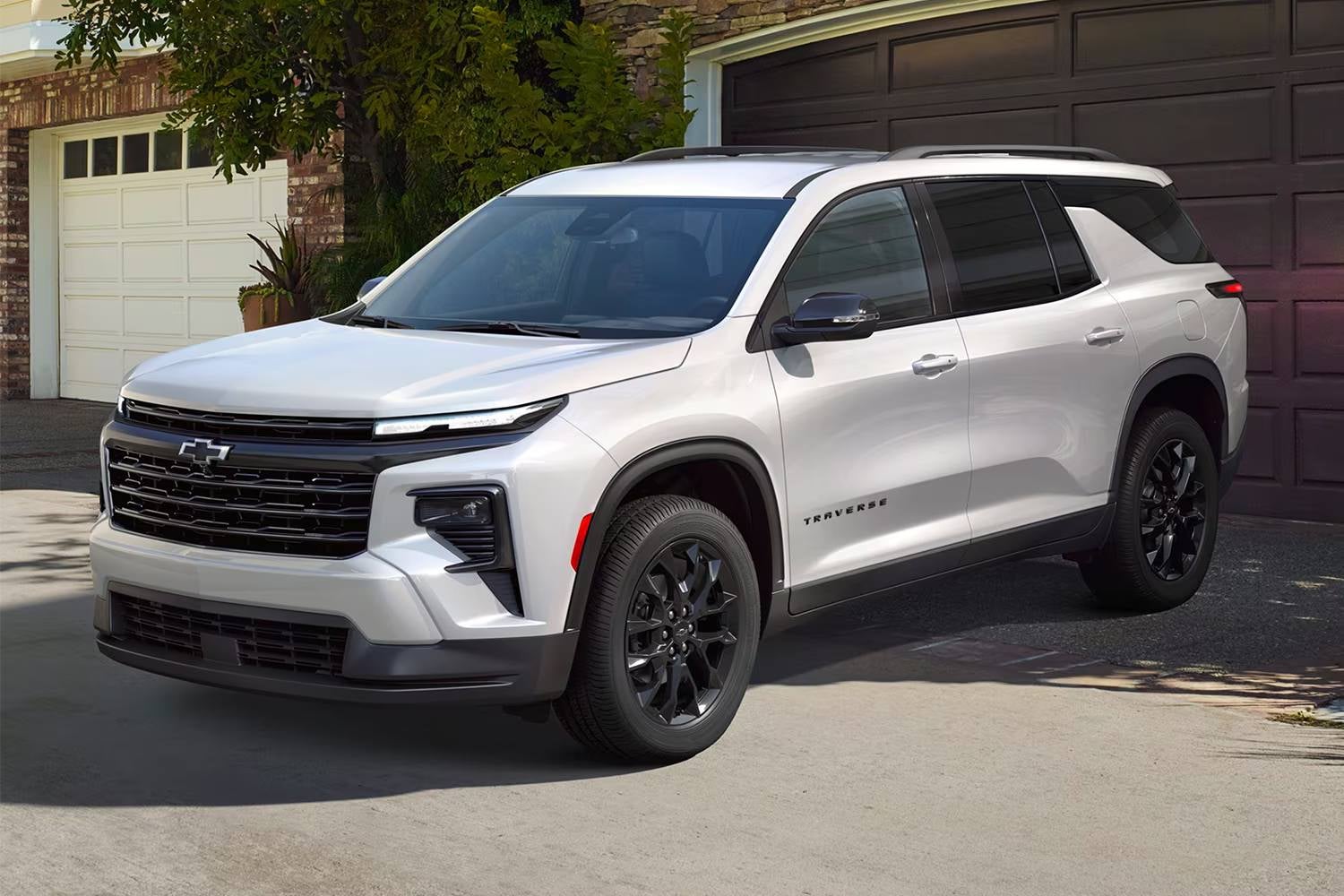
white 2027 chevy traverse suv

What's New With the 2027 Chevy Traverse?

The Chevy Traverse has become a favorite for families, commuters, road-trippers, and anyone who wants real three-row space without moving into a full-size SUV. For 2027, the Traverse keeps the bold personality introduced with the current generation and adds thoughtful updates that make it feel more refined, more useful, and easier to tailor to your lifestyle. At Turan-Foley Chevrolet, our team is here to help Gulfport drivers compare the latest Traverse lineup, explore trims, and find the right SUV for daily life along the Mississippi Gulf Coast. If you are shopping for a roomy SUV with strong power, flexible seating, and plenty of technology, the 2027 Traverse should be on your list. You can start by browsing our Chevy Traverse inventory in Gulfport, MS or comparing it with other models in our new Chevy SUV lineup. A Refined 2027 Traverse Lineup The 2027 Chevy Traverse lineup continues with four main trims: LT, Z71, RS, and High Country. That gives shoppers a simple way to choose the personality that fits them best. The LT is the comfortable and practical starting point, with plenty of technology and family-friendly flexibility. The Z71 brings a more rugged attitude with off-road-focused equipment. The RS adds a sportier design, blackout styling, and a more aggressive look. The High Country sits at the top of the lineup with premium materials, elevated details, and a more upscale feel. This approach works well because not every Gulf Coast driver needs the same kind of SUV. Some shoppers want a practical family vehicle for school drop-offs, grocery runs, and weekend drives to Biloxi or Long Beach. Others want a Traverse that feels more adventurous for camping trips, boat ramps, and unpaved roads. The 2027 lineup gives you room to choose without overcomplicating the process. A More Premium High Country Trim One of the biggest updates for 2027 is the evolved Traverse High Country. Chevrolet gave this trim a more premium identity with updated badging, refined interior materials, and exclusive design details. The 2027 Traverse High Country features real wood trim accents, microfiber suede placed throughout the cabin, Tritan Satin finishes, signature door sill plates, and 22-inch high gloss Black machined-face wheels. For shoppers who want three-row space but still care about a high-end feel, the High Country is the trim to watch. It gives the Traverse a more polished personality while keeping the practical strengths that make the model useful every day. It is a strong fit for drivers who want family space, road-trip comfort, and a cabin that feels more upscale on longer drives across the Gulf Coast. New Exterior Colors and Design Details The 2027 Chevy Traverse also adds fresh color options. Twilight Blue is offered on RS and High Country trims, while Trillium Green Metallic is offered across LT, Z71, RS, and High Country. These new colors help the Traverse lineup feel fresh without changing what already works about its bold, truck-inspired shape. Chevrolet also continues to give each trim its own personality. The LT has a clean and confident family-SUV look. The Z71 adds rugged cues, all-terrain tires, and a more trail-ready stance. The RS leans into sporty blackout features, including black badging, a black grille treatment, and 22-inch high gloss Black-painted aluminum wheels. The High Country brings a more refined appearance with premium finishes and exclusive trim details. Room for Up to Eight Passengers Space remains one of the biggest reasons to choose the Traverse. The 2027 Chevy Traverse can seat up to eight passengers on LT models with the available second-row bench seat. Z71, RS, and High Country models seat seven, giving passengers a comfortable three-row layout with easy access to the rear seats. That flexibility is helpful for families around Gulfport, especially when your SUV needs to handle more than one kind of day. The Traverse can work for school mornings, sports practices, beach gear, luggage, pet crates, and weekend errands. It also offers up to 98 cubic feet of max cargo volume, giving you plenty of room when seats are folded and you need space for larger items. Technology That Feels Easy to Use The 2027 Traverse keeps one of its strongest tech features: a standard 17.7-inch infotainment screen. That large display gives the cabin a modern feel and makes it easier to view maps, media, vehicle settings, and connected features. A standard 11-inch driver information screen also helps keep important driving details visible. Wireless phone charging is standard, second-row USB ports are standard, and available Google built-in compatibility adds another layer of convenience. Available Super Cruise hands-free driver assistance technology is also part of the Traverse story, with RS and High Country trims including it as standard equipment with a 3-year OnStar Super Cruise plan. For drivers who spend time on longer highway stretches, that can make the Traverse feel especially advanced. Strong Turbocharged Performance Every 2027 Chevy Traverse uses a turbocharged 2.5-liter engine paired with an 8-speed automatic transmission. Chevrolet lists output at 328 horsepower and 326 pound-feet of torque, giving the Traverse confident power for merging, passing, and carrying passengers or cargo. Front-wheel drive is offered on select trims, and all-wheel drive is available or standard depending on the configuration. The Traverse also offers up to 5,000 pounds of towing capacity when properly equipped. LT, Z71, and RS trims include trailering equipment, along with standard trailering technology such as Hitch View, Hitch Guidance, and the Trailering App. That makes the Traverse useful for drivers who need to bring along a small trailer, outdoor gear, or weekend equipment. Z71 Capability for More Adventurous Drivers The Z71 trim continues to be a standout choice for shoppers who want a more capable Traverse. It includes an advanced twin-clutch all-wheel-drive system, Terrain Mode, Hill Descent Control, off-road suspension, skid plates, and all-terrain tires. Those features give the Traverse Z71 a more confident feel away from smooth pavement while still keeping the comfort and space families expect from a three-row SUV. For life in South Mississippi, that can be a useful combination. The Z71 is not just about off-road appearance. It is built for drivers who may deal with wet roads, campsites, gravel paths, boat launches, and weekend adventures outside the normal commute. It gives the Traverse a tougher side while keeping the SUV practical for everyday use. Safety and Driver Assistance Features The 2027 Chevy Traverse comes with more than 20 standard safety and driver assistance features. Chevrolet highlights features such as Front Pedestrian and Bicycle Braking, Blind Zone Steering Assist, Rear Cross Traffic Braking, Automatic Emergency Braking, and Safety Alert Seat. These systems do not replace attentive driving, but they can help support awareness in busy traffic, parking lots, school zones, and highway driving. That matters in a family SUV. When you are carrying passengers, navigating Highway 49, or driving across Gulfport, Biloxi, Ocean Springs, and nearby communities, having modern driver assistance technology can add confidence to the experience. Should You Buy or Lease a 2027 Chevy Traverse? The right choice depends on how long you plan to keep your SUV, how much you drive, and what kind of monthly budget makes sense. Leasing can be appealing if you like moving into a newer vehicle more often and want flexibility at the end of your term. Buying can make more sense if you plan to keep your Traverse for many years. Our Chevrolet finance center can help you compare purchase and lease options. You can also review our new Chevy specials to see current opportunities that may apply to your next SUV. Visit Turan-Foley Chevrolet to Explore the 2027 Traverse The 2027 Chevy Traverse builds on an already strong formula. It offers bold styling, three-row flexibility, a large standard infotainment screen, strong turbocharged performance, useful towing capability, and a lineup that ranges from practical to rugged to premium. The new High Country updates, fresh colors, and trim-specific design details make the 2027 model even more appealing for shoppers who want a modern family SUV with personality. If you are ready to learn more, Turan-Foley Chevrolet is here to help. Browse our new Chevy Traverse inventory, compare other new Chevrolet vehicles, or contact our Gulfport Chevy dealership for help finding the right SUV for your family, commute, and weekend plans. After you drive home, our Chevrolet service center is here to help keep your Traverse ready for the road ahead.

chevy logo

How Chevy’s In-Vehicle Wi-Fi Works

Sitting in traffic on US-49 or waiting for the ferry line in Gulfport, most of us reach for a phone to check email or stream something for the kids in the back seat. Chevy's in-vehicle Wi-Fi Hotspot solves that problem before it starts, turning the vehicle itself into a source of internet access. We get questions about this feature almost every week at Turan-Foley Chevrolet Buick, so we put together this guide to explain how it actually works. If you'd rather see it in person, you can browse new inventory and find a Wi-Fi-equipped model that fits your life. What Is Chevy's In-Vehicle Wi-Fi? On eligible, properly equipped Chevrolet models, this built-in connectivity feature transforms your vehicle into its own mobile hotspot. Chevy vehicles with Wi-Fi rely on a built-in modem, not your smartphone, and that distinction matters more than most drivers realize. Built-In Hotspot vs. Using Your Phone as a Hotspot We hear this comparison a lot, people wondering why they'd bother when their phone already has a hotspot feature. A few practical differences make the built-in version worth having. A vehicle's built-in modem is built for a stronger signal and better bandwidth than a phone hotspot, which is the main reason OnStar gives for using it over your phone. The in-vehicle hotspot runs off the vehicle's power, so it won't drain a passenger's phone battery the way a personal hotspot does. Multiple riders can connect multiple devices at once without everyone competing for one phone's data and signal strength. That's the real difference in a Chevrolet with Wi-Fi versus improvising with someone's cell phone. The Role of OnStar in Powering Your Connection Every Chevy Wi-Fi hotspot runs through OnStar. An active OnStar Plan is required to power the hotspot, and OnStar links the vehicle's modem to the cellular network in the first place. The system uses that modem to connect to cellular towers on AT&T's network, giving you 4G LTE or better depending on your area and hardware. Members who purchase an eligible Wi-Fi-equipped Chevrolet, Buick, or GMC vehicle can receive up to three months of unlimited data on us for the in-vehicle hotspot. Offers change, so it's worth confirming current terms with OnStar or our team before you count on it. Two current OnStar plans include unlimited hotspot data. Connect Plus starts at $19.99 a month and powers up to seven devices, with video streaming, in-vehicle games, and a built-in browser. OnStar One starts at $34.99 a month, bundles every OnStar feature including the safety and security services, and powers up to 18 devices. Pricing and plan contents reflect 2025 and newer vehicles and can change, so confirm current terms before you commit. How the Wi-Fi Hotspot Works Behind the Scenes Understanding how car Wi-Fi works day to day helps explain why it feels so simple once it's set up. Turning the Vehicle On or Accessory Mode The ignition needs to be in the "Run" or "Accessory" position for the hotspot to function, and the signal is generally accessible within about 50 feet of the vehicle. That range makes it handy for a parent supervising kids at a Long Beach ballfield while the laptop stays connected in the car, or for someone finishing a call from a beach chair in Ocean Springs. Connecting Multiple Compatible Devices Your device limit comes down to your OnStar plan. Connect Plus powers up to seven devices. OnStar One powers up to 18. Chevrolet's support page also lists seven as the figure that applies to most vehicles, so if you're on Connect Plus, seven is your number. Older vehicles and some configurations can differ. If you want it confirmed for your specific Silverado, Traverse, or Equinox, an OnStar Advisor or our team can check it in a minute. Setting Up Your Chevy Wi-Fi Hotspot Getting your hotspot running takes just a few minutes, and there are three main paths depending on what's easiest for you. If you'd like someone to walk through this with you in person, contact our team and we'll help you get connected. Using the Center Display On select 2017 and newer models, everything happens right on the touchscreen. Tap the Wi-Fi Hotspot icon on the center display. Personalize your SSID and password from the same screen. Turn the hotspot on or off as needed. If you're not sharing vehicle data yet, go to Settings, then Wi-Fi Settings, and toggle "Share Vehicle Data" on, then select Continue. Using the myChevrolet App and GM Account The myChevrolet Wi-Fi setup is a favorite for owners who want to manage things from their phone rather than the dashboard. Open the myChevrolet app and go to Controls, then Wi-Fi. Update your network name or password, or simply turn the hotspot on or off. Prefer your computer? Log into your GM account, click your initials, go to Account Overview, select your vehicle, then choose Vehicle Settings under Owner Resources and hit Edit under Wi-Fi Hotspot. The app does more than basic on-off switching. It also manages your data plans, and under Account you can set up Family Sharing to invite up to eight other people into your family group. Worth knowing: Family Sharing shares access to vehicle services and remote commands, not additional hotspot device slots. Using the Blue OnStar Button If you'd rather talk to a person, push the blue OnStar button inside the vehicle and ask an Advisor for help setting up your hotspot or choosing a data plan. Plans can also be purchased directly through your GM account online or via the mobile app if you'd rather skip the call. Connecting Your Devices to the Hotspot Once your hotspot is active, connecting a phone, tablet, or laptop works just like connecting to any home network. Selecting Your Vehicle's Hotspot Name Start a Wi-Fi search on your device and look for your vehicle's SSID, which is simply the network name. If you don't know it offhand, 2017 and newer vehicles show it in the Settings menu. On 2016 and earlier models, press the Phone button on your OnStar controls and say "Wi-Fi Settings" after the prompt, or push the blue OnStar button and ask an Advisor. A quick security note: avoid putting personal information like a phone number, address, or credit card detail into your network name or password. Entering Your Password Your Chevrolet Wi-Fi password, or passphrase, pairs with the SSID to complete the connection. Once entered correctly, the device should connect automatically the next time it's in range, whether you're commuting through D'Iberville or heading out toward Biloxi. Everyday Ways to Use Your Chevy's Wi-Fi An in-vehicle Wi-Fi hotspot proves useful in small, repeated moments, checking email at a stoplight, keeping a laptop connected during a break, letting kids stream something on a long drive. Whether you're driving US-49 north out of Gulfport, cruising the coastal route toward Biloxi and Ocean Springs, or treating the car like a mobile office between job sites near Long Beach and D'Iberville, a stable car Wi-Fi hotspot keeps navigation, work calls, and passenger devices running without relying on spotty phone signal alone. Kids streaming cartoons or logging into virtual learning on a tablet no longer means watching a device's battery drain on a long drive, since the vehicle powers the connection rather than the tablet. Multiple passengers can also stream music or video at the same time, which matters on longer hauls when everyone wants their own entertainment. There's a practical Gulf Coast angle here too: after a storm knocks out home internet, a Wi-Fi-equipped Chevrolet parked in the driveway can serve as backup connectivity, whether that's checking updates on your phone or hopping on a work call. Getting Hands-On with Connected Tech Reading about a feature only gets you so far. Seeing how the myChevrolet app pairs with the center display, or how quickly a hotspot connects once the vehicle starts, tells you more in five minutes than any spec sheet. It's also the best way to understand how the Wi-Fi Hotspot works alongside other onboard tech, like navigation and driver assistance features, without feeling like a separate gadget bolted onto the dashboard. Quick Troubleshooting Checklist If you're already noticing trouble with your current setup, a few quick checks solve most issues. A slow connection often improves by moving to an open area with fewer obstructions or checking your current data plan status. If the SSID isn't showing up, confirm the vehicle is in "Run" or "Accessory" mode and that the hotspot has been turned on through the display or app. When the hotspot won't turn on at all, check that "Share Vehicle Data" is toggled on under Settings, then Wi-Fi Settings, since this permission has to be active for the feature to work. Keep in mind that features vary by model, model year, trim, hardware, software, and service plan, and using the Wi-Fi Hotspot requires a compatible vehicle, an active subscription, and accepted terms. If troubleshooting doesn't resolve the issue, our service department is glad to take a look. Experience Chevy Wi-Fi at Turan-Foley Chevrolet Buick We've spent more than 50 years helping Gulfport-area drivers get into the right vehicle, and that includes making sure you actually understand the technology that comes with it. Whether you're comparing a Chevrolet Traverse Wi-Fi setup for the whole family or wondering about Chevy Wi-Fi cost and current AT&T data trial offers, our team at 11123 Hwy 49N in Gulfport can walk you through center-display setup, app pairing, and device connection in person. If a persistent Wi-Fi or OnStar issue is slowing you down, you can always schedule a service visit or contact our team for help. But the best way to really understand how this feature fits your daily routine is to get behind the wheel yourself. Schedule a test drive with us, and we'll show you exactly how Chevy's in-vehicle Wi-Fi works while you're on the road.

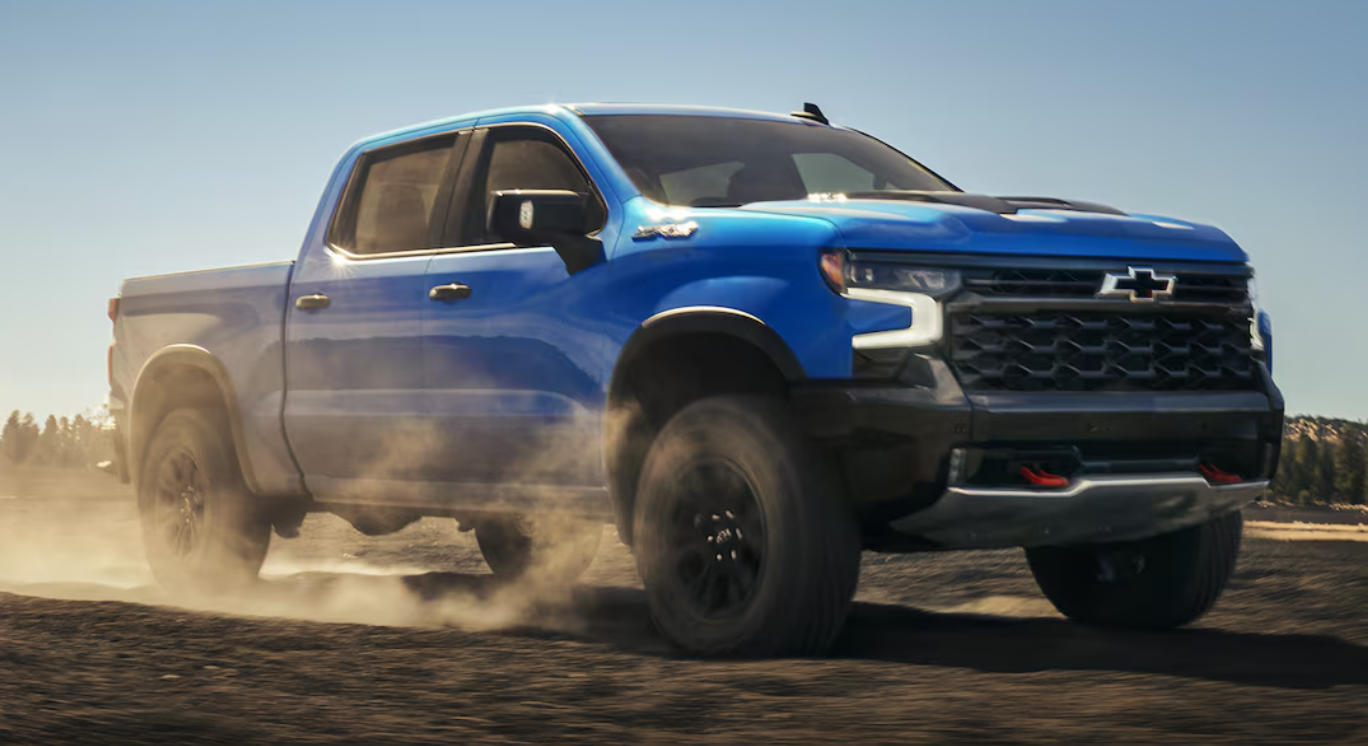
blue silverado 1500

Chevy Silverado 1500 Maintenance Schedule: Service Intervals to Know

The heat, humidity, and towing most owners put their trucks through on the Mississippi Gulf Coast mean a Silverado 1500 needs a real maintenance plan, not guesswork. Following a proper Chevy Silverado 1500 maintenance schedule keeps small issues from turning into expensive repairs down the road. If you'd rather skip ahead, you can schedule service online with our team anytime. This guide breaks down Chevrolet's recommended maintenance schedule by mileage, explains how engine type changes the specifics, and shows why Gulf Coast conditions often call for earlier service than the standard intervals suggest. Keeping Your Silverado 1500 Ready for the Gulf Coast Gulfport summers routinely push highs into the low 90s, with humidity hovering around 74% for most of the year. Biloxi sees similar numbers, and heat index readings along the coast have climbed as high as 114°F during Extreme Heat Warnings. That kind of heat and moisture accelerates oil breakdown, stresses cooling systems, and speeds up corrosion on undercarriage components exposed to salt air near Long Beach and other coastal communities. A maintenance schedule built for milder climates doesn't account for what Gulf Coast trucks go through. We treat every interval as a starting point, then adjust based on how you actually drive. Where to Find Your Silverado's Exact Maintenance Needs Every Silverado 1500 maintenance schedule varies slightly depending on model year and engine, so the numbers in this article are general Chevrolet guidance. Always confirm your truck's exact specs before assuming an interval applies to you. Owner's Manual and myChevrolet App For most recent-model Silverados, the fastest way to find your exact intervals is through the Help Center in the myChevrolet app, where you can search the digital Owner's Manual, or by flipping to the Service and Maintenance section of the printed manual. The app also offers remote start, lock and unlock functions, vehicle health monitoring, and the ability to select your dealership, view recommended services, check current deals, and confirm an appointment, all from your phone. Understanding the Oil Life Monitoring System The Oil Life Monitor (OLM) isn't a simple mileage counter, and it doesn't measure oil quality directly either. It's a software algorithm that continuously tracks engine operating conditions, driving habits, and climate, then calculates a real-time percentage of remaining oil life. That percentage counts down from 100%, drops into a "Change Engine Oil Soon" alert somewhere between 15% and 5% (meaning service is due within the next 600 miles), and eventually hits "Oil Change Required" at 0%. Even at 50% life remaining, Chevrolet still recommends an oil change at least once every 12 months. If the OLM ever gets reset by mistake or a service gets missed, plan to service within 3,000 miles. GM counts one hour of idling as roughly 33 miles toward that total, so heavy idling adds up faster than you'd think. Core Service Intervals Every Silverado Owner Should Know Two baseline services anchor the entire Chevrolet recommended maintenance schedule for the Silverado 1500. Oil and Filter Changes: Every 7,500 Miles Chevrolet generally recommends an oil and filter change every 7,500 miles or 12 months, whichever comes first. Under ideal conditions, that interval can stretch toward 10,000 miles. Frequent towing, extended idling, or extreme heat push it down to somewhere between 5,000 and 7,500 miles instead. For a 2026 Silverado 1500 doing heavy towing in high heat, a 5,000-mile interval is often the safer call. Tire Rotations and Multi-Point Inspections Tire rotations follow the same 7,500-mile rhythm, typically performed at each oil change. Every 7,500 miles (or 12,000 km), a standard visit also includes an OLM reset and a Multi-Point Vehicle Inspection (MPVI), which checks brakes, belts, and other wear points. Chevrolet alternates between two service depths at these visits: Maintenance I covers the basics, while Maintenance II adds inspection of the suspension, steering, exhaust, seat belts, wipers, throttle body, and cooling system. Silverado 1500 Maintenance Schedule by Mileage The Chevy Silverado 1500 maintenance schedule typically progresses like this as your odometer climbs. These are Chevrolet's general benchmarks; your specific engine and model year may shift things slightly. 12,000-30,000 Miles: Early Upkeep This early stage is mostly about staying ahead of small problems. Technicians check coolant, brake fluid, washer fluid, and power steering fluid (where applicable), while looking for leaks, unusual noises, vibration, or warning lights. The passenger compartment air filter gets inspected every 22,500 miles or two years, with replacement sooner if you're driving through heavy traffic, dust, or poor air quality, which describes a lot of Gulf Coast commutes. 30,000-60,000 Miles: Fluids and Wear Items If you tow frequently or drive under other severe-service conditions, automatic transmission fluid often needs changing around 45,000 miles rather than waiting for the standard interval. Around the 45,000-mile or three-year mark, service can also include brake fluid replacement, a throttle body and induction inspection, a new engine air filter, and transmission fluid and filter service for trucks used in severe duty. Towing generates heat that causes gear hunting and torque converter slip, and keeping the transmission cool is genuinely one of the most important factors in long-term drivetrain life. If your Silverado spends a lot of time pulling a trailer along the coast, staying ahead at the 45,000-mile mark pays dividends for long-term drivetrain life. Our team can help you figure out where you land, so feel free to book a visit if you're getting close to this mileage. 60,000-90,000 Miles: Major Component Checks Spark plug replacement enters the picture here for trucks equipped with the 2.7L TurboMax, generally around 60,000 miles. This range also often includes a serpentine belt and coolant hose inspection, plus axle fluid service for owners who tow frequently. 90,000+ Miles: Long-Term Reliability Services Trucks running the 5.3L EcoTec3 V8 or 6.2L EcoTec3 V8 typically need spark plugs replaced around 97,500 miles, later than the TurboMax engine. For 4WD models, transfer case fluid and body lift struts are usually addressed around 100,000 miles. Coolant service using Dex-Cool generally falls around 150,000 miles, and this stage of ownership is also a good time for battery, charging system, and PCV checks along with a look at the wheel bearings or hubs. Silverado Maintenance Schedule by Engine Type Oil type, capacity, and spark plug intervals vary meaningfully by engine, so it's worth knowing exactly what's under your hood before your next visit. Engine Oil Type/Spec Oil Capacity Note Spark Plug Interval 2.7L TurboMax SAE 5W-30 full synthetic, dexos1 6.0 quarts (2019-2026 model years) ~60,000 miles 5.3L EcoTec3 V8 SAE 0W-20 full synthetic, dexos1 Gen 3 8 quarts (increased from 6 qt with 2014 redesign) ~97,500 miles 6.2L EcoTec3 V8 SAE 0W-20 full synthetic, dexos1 Gen 3 8.0 quarts (2014-2026 model years) ~97,500 miles 3.0L Duramax dexosD-rated SAE 0W-20 7.0 quarts (2020-2026 model years) Not applicable (diesel) Silverado Maintenance Schedule At a Glance Bookmark or screenshot this summary for quick reference between service visits. At 7,500 miles or 12 months, expect an oil and filter change, tire rotation, OLM reset, and MPVI, sooner if you're driving under severe conditions. By 22,500 miles or 2 years, the passenger compartment air filter gets inspected and replaced as needed. At 45,000 miles or 3 years, you're looking at brake fluid service, a throttle body inspection, a new engine air filter, and transmission fluid/filter work if your truck sees severe duty. Around 60,000 miles, TurboMax owners get spark plugs done, along with a serpentine belt and coolant hose check and axle fluid service for frequent towing. Around 97,500 miles, spark plugs come due on the 5.3L and 6.2L EcoTec3 V8 engines. By 100,000 miles, 4WD trucks need transfer case fluid and body lift strut service. Around 150,000 miles, the coolant (Dex-Cool) gets drained and refilled. And past 100,000 miles, plan on battery and charging tests, PCV inspection, and a look at the wheel bearings or hubs. Why Gulf Coast Driving Conditions Call for Extra Attention Chevrolet defines severe service as towing near your truck's rated capacity, extended idling, dusty roads, frequent short trips, extreme heat or cold, or commercial use. That list reads like a description of everyday driving around Gulfport, Biloxi, and Long Beach. Towing, Heat, and Humidity Under severe service, oil, transmission fluid, and differential lubricants all break down faster than they would in milder climates. That's why a transmission fluid exchange may be warranted around 45,000 miles for trucks that tow frequently in Gulf Coast heat, rather than waiting for the standard interval. If your Silverado hauls a boat to Long Beach on weekends or tows equipment for work, this is worth discussing with your service advisor at your next visit. Stop-and-Go Traffic and Jobsite Use Stop-and-go traffic and hot weather both raise engine operating temperatures, which speeds up oil degradation even on trucks that never leave the pavement. Dusty or rural roads mean earlier air and cabin filter service, while jobsite towing, short trips, and extended idling all shorten oil life faster than highway miles would. If your truck spends its days on a jobsite or making frequent short hops around town, plan on servicing toward the earlier end of every interval range mentioned above. Ready to get ahead of it? Schedule your next service and we'll walk you through what your specific truck needs. Documented service history also matters if you ever need to file a warranty claim. Missing a single service doesn't automatically void your coverage, but keeping a clear maintenance record protects you if a claim ever comes into question. For specifics on your truck's warranty documentation, our service advisors can point you in the right direction, or reach out through our contact form with any questions. Schedule Your Silverado Service at Turan-Foley Chevrolet Following the Chevy Silverado 1500 maintenance schedule doesn't have to be complicated, especially with a local team that understands what Gulf Coast conditions do to a truck. Why Drivers Choose Us We operate the largest service bay on the Gulf Coast, staffed by factory-trained and EV-certified technicians who handle routine oil changes and major component service alike. While you wait, our lounge offers complimentary beverages and free Wi-Fi. Visit Us We're located at 11123 Hwy 49N, Gulfport, MS 39503, and we're proud to serve drivers throughout Biloxi, Long Beach, and the surrounding Mississippi Gulf Coast communities. For general information on what we offer, visit our service center, or go ahead and schedule your Silverado's next service today.

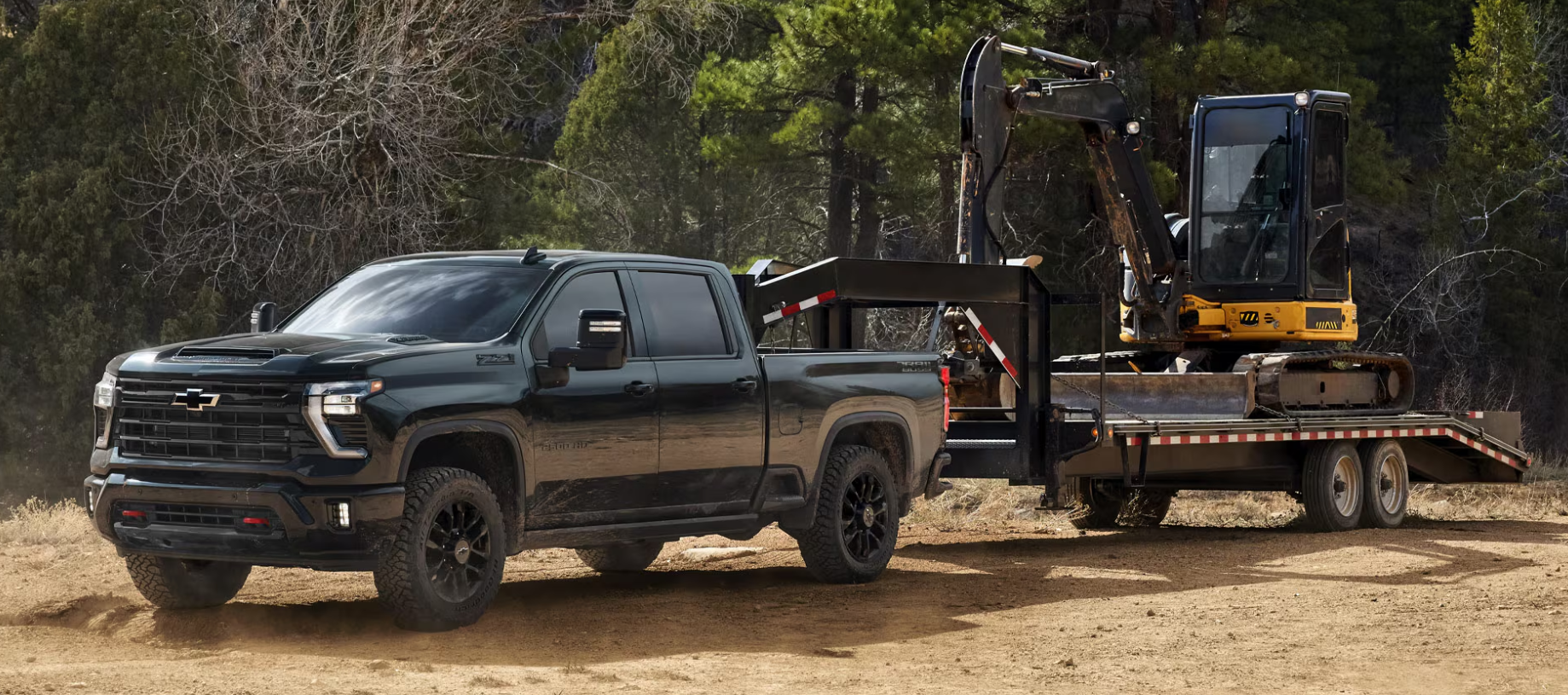
chevy truck towing construction equipment

Do Chevy Trucks Hold Their Value?

Chevy trucks, especially the Silverado 1500, retain value at rates close to the full-size truck average, and the heavy duty Silverado HD holds value better still. They won't win the outright resale crown, but they're a smart, defensible choice for anyone who wants dependable value retention without overpaying at trade-in time. Yes, Chevy trucks hold their value well, though there are a few caveats worth understanding before you buy or trade. Ready to compare trucks in person? You can browse new inventory or check used inventory at Turan-Foley Chevrolet Buick in Gulfport. Do Chevy Trucks Hold Their Value? The Honest Answer Mostly yes, with some fine print. According to iSeeCars, the average new vehicle loses 41.8% of its value over five years, while the average new truck depreciates only 34.2% in that same window. Pickups, along with sports cars, consistently outperform luxury cars and minivans when it comes to holding value, and that category advantage carries over to Chevy specifically. The Silverado 1500 retains 60.7% of its value after five years, per iSeeCars, just shy of the full-size truck average of 61.7%. That's a solid showing even if it's not the top of the leaderboard. Reliability helps the case too. The 2026 J.D. Power Vehicle Dependability Study ranked the Silverado second in the Large Light Duty Pickup segment, behind the Ram 1500 but ahead of the Ford F-150 and GMC Sierra. At the brand level Chevrolet finished ahead of all three, with 178 problems per 100 vehicles against 216 for Ram, 228 for Ford, and 229 for GMC. How Chevy Silverado Resale Value Compares to the Competition Resale numbers only mean something when you stack them against what else is on the lot. Silverado 1500 vs. Toyota, Ford, and Ram Resale Rankings Kelley Blue Book's 2026 Best Resale Value Awards named Toyota the top brand for resale value for the sixth consecutive year, with the Toyota Tacoma leading truck nameplates at roughly 63% retained value after five years and the Toyota brand averaging 53% overall. Chevy isn't the category winner in KBB's rankings this year. That said, the full picture is closer than the brand awards suggest. iSeeCars ranks the Toyota Tundra first among full-size trucks at 78.6% retained after five years, with the Ram 1500 at 62.2%, the Ford F-150 at 62.1%, the GMC Sierra 1500 at 61.8%, and the Silverado 1500 at 60.7% against a category average of 61.7%. That puts four half-tons within two points of each other, which means resale alone is not what separates them. Where Chevy does pull ahead is long-term dependability. In the J.D. Power 2026 U.S. Vehicle Dependability Study, Chevrolet posted 178 problems per 100 vehicles, better than Ram at 216, Ford at 228, and GMC at 229. Why Pickups in General Hold Value Better Than Most Vehicles Trucks hold value because they're useful long after the warranty expires. A truck with a dented tailgate can still haul lumber or tow a boat, so buyers don't discount them as harshly as they would a sedan with cosmetic wear. Towing capacity, bed space, and 4WD availability keep demand steady among contractors, farmers, and weekend haulers alike, which props up resale prices across the board. Resale Value Across the Chevy Truck Lineup Not every Chevy truck depreciates at the same rate. Trim, powertrain, and segment positioning all matter. Chevy Silverado 1500 The Silverado 1500 retains 60.7% of its value at the five-year mark, according to iSeeCars, with depreciation climbing from 28.2% at three years to 49.8% at seven years and 62.2% at ten years. It's offered across nine trims: WT, Custom, LT, RST, LT Trail Boss, Custom Trail Boss, LTZ, ZR2, and High Country, with towing capacity reaching 13,300 lbs when equipped with the 3.0L Duramax turbo-diesel. Chevy Silverado HD The Silverado HD is where Chevy's resale story gets stronger. The 2500HD retains about 74% of its value after five years per iSeeCars, roughly 13 percentage points better than the Silverado 1500's 60.7%. Heavy-duty trucks hold value better as a class, with a segment average of 77%. The Duramax 6.6L Turbo-Diesel V8 produces 470 hp and 975 lb-ft of torque paired with the 10-speed Allison transmission, and Crew Cab 2500HD models tow up to 22,070 lbs. Step up to a 3500HD dually with the Duramax and towing clears 30,000 lbs. Chevy Colorado The Colorado holds up relatively well too, retaining 62.1% of its value after five years. Its depreciation rate runs faster than the midsize category average (37.9% versus 29.6%), yet its resale percentage still lands above the Silverado 1500's. Six trims are available: WT, Custom, LT, Trail Boss, Z71, and the off-road-ready ZR2, all powered by the 2.7L TurboMax four-cylinder making 310 hp and 430 lb-ft of torque. Model Powertrain Max Towing Trim Range Est. 5-Year Resale % Silverado 1500 EcoTec3 V8 / 3.0L Duramax 13,300 lbs WT to High Country 60.7% Silverado HD (2500HD) 6.6L Duramax Turbo-Diesel V8 22,070 lbs (up to 30,000+ dually) WT to High Country 68% Colorado 2.7L Turbo 4-cyl 7,700 lbs WT to ZR2 62.1% Key Factors That Affect Your Chevy Truck's Resale Value Resale value isn't fixed. It moves based on specific, controllable factors. Mileage, Condition, and Maintenance Records Kelley Blue Book points to make, model, age, mileage, and overall condition at the time of trade as the primary drivers of depreciation, along with maintenance and accident history. A truck with documented maintenance and lower mileage will always outperform an otherwise identical model without that history. 4WD, Engine Choice, and Towing Packages Four-wheel drive and towing equipment add resale value, and 4WD stays in high demand among commercial, rural, and off-road buyers specifically. Silverado is offered in 2WD and 4WD with no all-wheel-drive option, so 4WD is the box that matters here. If you're deciding between trims now, options like the Max Trailering Package can pay off later. Cab and Bed Configuration Payload varies meaningfully by cab style, and lighter configurations carry more. Chevrolet rates the 2026 Silverado 1500 at up to 2,260 lbs of max available payload, reached with the TurboMax engine in a Regular Cab Long Bed 2WD build. Crew Cab and 4WD trucks come in lower because the truck itself weighs more. The Durabed includes 12 standard tie-downs rated at 500 lbs per corner, a detail work-truck buyers notice and value. Gulf Coast Demand for Work and Personal-Use Trucks Here on the Mississippi Gulf Coast, local conditions shape resale value in ways national averages don't always capture. A few things to keep in mind if you're in Gulfport, Biloxi, Ocean Springs, D'Iberville, or nearby communities: Humidity and coastal salt exposure increase corrosion risk, so undercarriage condition matters more here than in drier climates. Towing and hauling demand stays high locally, driven by boat owners and trailer users along the coast. Personal-use and work-truck demand both remain strong, keeping resale prices for well-maintained trucks competitive in the Gulfport market. Nationally, the personal-use segment of the pickup market is expected to dominate with a 61% share and a 2% compound annual growth rate from 2026 through 2035, according to Global Market Insights, pointing to steady demand for trucks like the Silverado for years to come. Curious about financing before you commit? You can check pre-approval options with our team. Tips to Maximize Your Chevy Truck's Value at Trade-In A few practical habits go a long way toward protecting your truck's value, whether it's a Silverado 1500, Silverado HD, or Colorado. Keep a digital service log rather than relying on paper receipts that can get lost. Choose neutral exterior colors when you buy, since they tend to attract more buyers at resale. Avoid non-reversible lift kits or bed modifications, which can shrink your buyer pool. Address minor repairs before you trade in rather than letting them accumulate, and always detail the truck thoroughly before an appraisal. These small steps often make a bigger difference than owners expect. Timing matters too. Depreciation is front-loaded in the first five years of ownership, so trading in earlier typically captures more retained value. It's also worth considering a trade ahead of a major model redesign, since outgoing generations can lose value faster once a new one arrives, or during periods of high local seasonal demand when buyers are actively searching. New vs. Used Chevy Trucks: Which Retains More Value New trucks lose value fastest in their first couple of years, which is exactly why used-truck demand keeps growing. Buying a truck that's already two years old lets you skip the steepest part of the depreciation curve. Certified Pre-Owned programs have made this an easier decision too, since franchised dealers now offer warrantied CPO vehicles that add a layer of trust buyers didn't always have in the used market. A well-maintained used Silverado can be one of the best value options available if you're weighing long-term resale against upfront cost. Get a Free Trade-In Value Estimate at Turan-Foley Chevrolet Why Get an Estimate We offer free trade-in value estimates at Turan-Foley Chevrolet Buick in Gulfport, so you don't have to guess what your Chevrolet is worth right now. Our team looks at your truck's mileage, condition, trim, and local market demand to give you a clear, honest number. Start the Process You can get your trade-in value online in a few minutes, or contact us directly if you have questions about your specific model. As a family-owned dealership serving Gulfport and the surrounding Gulf Coast for more than 50 years, we treat every trade-in conversation the way we'd want our own family treated: straightforward, no pressure, no runaround. Frequently Asked Questions About Chevy Truck Resale Value Does Chevy or Toyota have better resale value? Toyota currently holds the resale crown according to Kelley Blue Book, with the Tacoma leading all 2026 nameplates. That said, the Silverado 1500 sits within a point of the full-size segment average per iSeeCars, and Chevrolet outscored Toyota's domestic rivals on brand dependability in the J.D. Power 2026 study. How does the Silverado 1500 compare to the full-size truck category average? The Silverado 1500 retains 60.7% of its value after five years, just under the full-size average of 61.7%, according to iSeeCars. It's nearly on par with the segment as a whole. Is the Silverado HD a better resale investment than the 1500? Yes, by a notable margin. The Silverado 2500HD retains about 74% of its value after five years compared to roughly 60.7% for the 1500, a difference of more than 13 percentage points. What hurts truck resale value the most? High mileage, poor condition, incomplete service history, non-reversible modifications, and low reliability or desirability all drag down resale value, according to Kelley Blue Book's depreciation factors.

2026 Chevrolet Trailblazer parked in front of water

Chevy SUVs by Size: Smallest to Largest

Picking a Chevy SUV sounds simple until you realize just how many options are on the table. The Chevrolet SUV lineup runs from a city-friendly compact all the way up to a full-size hauler that seats up to nine passengers. If you're trying to figure out which model actually fits your life, starting with size is the smartest move. We've ranked the full 2026 gas SUV lineup in order of overall length to help you shop smarter before your visit to Turan-Foley Chevrolet Buick in Gulfport. How Chevrolet Sizes Its 2026 SUV Lineup The 2026 Chevrolet SUV lineup covers seven distinct body sizes, with total lengths running from 174.0 inches up to 226.3 inches. That's more than four feet of difference between the two ends of the lineup, which tells you a lot about how seriously Chevy approaches variety. Whether you need something that slides into a tight downtown Gulfport parking garage or a vehicle that can carry the whole team plus gear for a Gulf Coast road trip, there's a model built for exactly that. Worth knowing before you start shopping: the Trailblazer is actually shorter than the Trax, despite the Trax often being positioned as the entry-level option. At 174.0 inches versus the Trax's 178.6 inches, the gap is modest, but it does change how you think about the two vehicles. Knowing where each model falls helps you shop with real confidence. The Smallest Options: Trailblazer and Trax Chevy's two smallest SUVs share a lot of DNA but serve slightly different buyers. Both prioritize everyday practicality and won't intimidate you in a crowded parking lot. The difference comes down to interior packaging, personality, and how you plan to use the vehicle day to day. Chevy Trailblazer (174.0 in.): Best for City Living The Trailblazer is the shortest gas SUV in the current lineup. At 174.0 inches long, it's the easiest to park, the most comfortable in stop-and-go traffic, and still feels spacious enough inside for daily errands and weekend trips. With up to 54.4 cu ft of cargo space with the rear seats folded, it doesn't sacrifice function to stay compact. If you're commuting solo or with one passenger most of the time, the Trailblazer hits a sweet spot between footprint and function that's hard to beat. Chevy Trax (178.6 in.): Small Footprint, Big Interior Efficiency The Trax sits 4.6 inches longer than the Trailblazer and is Chevy's most affordable SUV. Chevy engineers put that extra room to good use inside the cabin, and the Trax feels roomier than its exterior dimensions suggest, with thoughtful storage and a seating layout that works well for small families. With up to 54.1 cu ft of cargo space, it delivers strong practicality per square inch. For first-time SUV buyers or anyone stepping up from a compact sedan, the Trax offers an accessible entry into the Chevrolet SUV lineup without a steep learning curve. The Middle Ground: Equinox and Blazer Once you move into midsize SUV territory, cargo capacity becomes more meaningful and the overall experience shifts toward comfort and capability. The Equinox and Blazer both occupy this space but serve noticeably different audiences. Chevy Equinox (183.2 in.): The Practical Family Compact At 183.2 inches, the Equinox is a five-passenger, two-row SUV that delivers midsize-level livability in a manageable package. It's Chevrolet's most popular SUV for good reason. With up to 63.5 cu ft of max cargo, it balances rear passenger space, cargo room, and driver technology in a way that handles school runs, grocery hauls, and weekend road trips without being a burden to park. It's the kind of vehicle that earns loyalty because it handles daily life exceptionally well. Chevy Blazer (191.8 in.): A Sporty Two-Row Option With a Time Stamp The Blazer stretches to 191.8 inches and brings a distinctly sportier personality to the midsize segment. Where the Equinox leans practical, the Blazer leans bold, with a wider stance, angular styling, and a performance-tuned suspension aimed at drivers who want their SUV to feel like an event. It offers up to 64.2 cu ft of cargo space with the rear seats folded, and its two-row layout keeps the profile sleek, though growing families who need a third row should look at the Traverse instead. One timely note: the 2026 gas Blazer is confirmed in production, but GM is not expected to continue it past MY2026. If the Blazer's style and size speak to you, now is the time to schedule a test drive before availability narrows. Going Full-Size: Traverse, Tahoe, and Suburban Chevrolet's full-size SUVs represent a different category of capability altogether. The Traverse, Tahoe, and Suburban are engineered for maximum passenger count, serious towing, and the kind of cargo space that eliminates compromise. Each has a distinct role. Chevy Traverse (204.4 in.): The Three-Row Sweet Spot At 204.4 inches, the Traverse is the most accessible entry point into Chevy's full-size SUV options. Built on a car-based platform rather than a truck frame, it delivers a smooth, crossover-like driving experience with room for seven or eight passengers and up to 97.6 cu ft of max cargo. The third row is genuinely usable for adults on shorter trips, and the overall capacity easily handles family vacations without a rooftop carrier. For families who've outgrown the Equinox but don't need a truck-based platform, the Traverse hits a real sweet spot. Chevy Tahoe (211.3 in.): Truck-Based Muscle for Big Families The Tahoe is where the Chevrolet SUV lineup transitions to truck-based construction. At 211.3 inches, it's built on the same platform as the Silverado, which means the chassis handles real loads with authority. It seats seven to nine passengers and offers up to 122.7 cu ft of max cargo. For families who haul boats, trailers, or campers along the Gulf Coast, the Tahoe opens up towing capabilities a crossover simply can't match, while still working comfortably as a daily driver. Chevy Suburban (226.3 in.): Maximum Space, No Compromises The Suburban measures 226.3 inches from bumper to bumper, making it the largest Chevy SUV in the lineup. It shares its truck-based architecture with the Tahoe but adds a longer wheelbase that dramatically increases both rear passenger space and cargo capacity. With up to 144.7 cu ft of max cargo and seating for seven to nine passengers, the Suburban simply eliminates compromise. Families with a lot of people, a lot of gear, or both will find nothing else in this lineup comes close. A Quick Note for EV Shoppers: Equinox EV and Blazer EV For buyers interested in going electric, Chevrolet also offers the Equinox EV and Blazer EV. Both carry over the familiar footprints and interior layouts of their gas-powered counterparts, so you won't be sizing up or down to go electric. If you're weighing EV options within the 2026 Chevrolet SUV lineup, contact our team and we can walk you through both models alongside their gas counterparts. Matching Chevy SUV Size to Your Lifestyle The right Chevy SUV size comes down to your daily reality. Use the table below to see where each model lands based on the most common use cases: Lifestyle Need Recommended Model Overall Length Key Feature City Driving Trailblazer 174.0 in. Easiest to park; up to 54.4 cu ft cargo Small Families Trax 178.6 in. Most affordable; up to 54.1 cu ft cargo Growing Families Equinox 183.2 in. 5-passenger two-row; up to 63.5 cu ft cargo Sporty Style Blazer 191.8 in. Two-row; up to 64.2 cu ft cargo Three-Row Space Traverse 204.4 in. 7–8 passengers; up to 97.6 cu ft cargo Towing & Power Tahoe 211.3 in. Truck-based; 7–9 passengers; up to 122.7 cu ft cargo Maximum Cargo Suburban 226.3 in. Largest in lineup; up to 144.7 cu ft cargo This table covers the full 2026 gas lineup so you can see at a glance where each model lands before you ever step on the lot. Come See the Full 2026 Chevy SUV Lineup at Turan-Foley Chevrolet in Gulfport Reading about dimensions only gets you so far. The real test is sitting in the driver's seat, loading your family into the back, and actually feeling the difference between a 174-inch Trailblazer and a 226-inch Suburban. At Turan-Foley Chevrolet Buick in Gulfport, we carry the full range of 2026 Chevy SUV models and have been helping Mississippi Gulf Coast families find the right vehicle for over 50 years. Our team can walk you through every option by size in person, whether you're after something city-sized or a full-size hauler for a household that keeps growing. Stop by at 11123 Hwy 49N, Gulfport, MS 39503, and find out firsthand which Chevy SUV fits your life best.

2026 Silverado in blue

What is Chevy's TurboMax Engine?

Chevrolet has been quietly rewriting the rulebook on what a truck engine should look like. The Chevy TurboMax sits at the center of that story: a turbocharged four-cylinder that punches well above its weight and is now standard equipment across some of Chevy's most popular truck models. If you're curious about the buzz surrounding it, this is a straightforward look at what it is, what it can do, and whether it makes sense for your next truck. You can browse our current TurboMax-equipped inventory to see what's available right now at Turan-Foley Chevrolet. What Is the Chevy TurboMax Engine? The TurboMax is a turbocharged 2.7L inline-four built specifically for truck duty. Based on the L3B engine platform, it was officially branded "TurboMax" starting with the 2024 model year. Chevrolet engineered it with direct injection and variable valve timing, but what makes it unusual for a four-cylinder is its construction. The TurboMax uses a fully forged bottom end and a strengthened block, the kind of diesel-like internals that give it durability well beyond what you'd expect from a passenger-car engine. It was built from the start to handle the demands of truck ownership. The TurboMax also reflects a broader shift happening across the truck segment. Buyers want capable powertrains that don't drain the tank on every commute. This engine answers that call by pairing modern forced-induction technology with a lighter, more compact architecture than a traditional V8. Power and Torque: The Numbers Shoppers Actually Care About Raw specs tell a real story here. The TurboMax produces 310 hp and 430 lb.-ft. of torque, with that torque peaking at 3,000 rpm. Those aren't midsize-car numbers. It delivers more horsepower than Chevrolet's 3.6L V6 and more torque than any V6 option in the Silverado 1500 lineup, making it the highest-torque engine in that lineup. What makes those numbers especially useful is how they're delivered. Turbocharged engines generate peak torque much earlier in the RPM range than naturally aspirated engines, which means you feel the power the moment you press the accelerator. That characteristic makes real-world driving feel strong and confident whether you're merging onto the highway, pulling out of a job site, or working through Gulf Coast traffic with a loaded bed. Why the Low-End Torque Is the Real Story The TurboMax's strong low-RPM output isn't accidental. Three engineering decisions work together to produce it. Turbocharging forces more air into the combustion chamber, increasing power output without adding displacement. Active Fuel Management (cylinder deactivation) allows the engine to drop to two cylinders under light loads, improving efficiency without sacrificing response when you need it. And the forged internals, borrowing the same construction philosophy from diesel engines, allow the block to handle sustained high-torque output without the wear you'd eventually see in a more lightly built engine. These features explain why the TurboMax feels more like a V8 off the line than a four-cylinder. Why TurboMax Torque Makes Sense for Hauling, Towing, and Work-Truck Duty Torque is the metric that actually moves things. Horsepower gets the headlines, but torque is what pulls a loaded trailer off a dead stop and keeps a work truck from straining on an incline. The TurboMax's 430 lb.-ft. arrives early and holds strong, which is exactly what you want in a working vehicle. In the 2026 Silverado 1500, Chevrolet rates the TurboMax at a maximum towing capacity of up to 9,500 lbs. and a maximum payload of up to 2,260 lbs. (figures vary by cab style, drivetrain, and payload package). That puts it well within range for legitimate work-truck duty, whether you're hauling equipment, towing a boat, or managing job-site loads without stepping up to a larger V8. The engine's low-RPM grunt means less stress on the drivetrain and smoother starts when you're fully loaded. For anyone who uses their truck as a tool rather than just transportation, the TurboMax holds its own in everyday work scenarios along the Gulf Coast and beyond. The 2026 Chevy Silverado 1500 and the TurboMax Engine For 2026, Chevrolet continues a significant call: the TurboMax is the standard powertrain across the core Silverado 1500 trims. That decision means buyers get a genuinely capable engine right from the base configuration rather than treating a four-cylinder as a compromise spec only budget shoppers would consider. Which Silverado 1500 Trims Come Standard with TurboMax? The TurboMax spans a wide range of the Silverado lineup. Standard-equipped trims include the Work Truck (WT), Custom, Custom Trail Boss, LT, RST, and LT Trail Boss. That's broad coverage. You get the same modern, high-output engine regardless of which trim you choose. New for 2026 is the RST Select package, offered exclusively with the TurboMax, which adds 20-inch black wheels, all-terrain tires, assist steps, a bedliner, and all-weather floor mats. Fuel economy for the 2026 Silverado 1500 with the TurboMax is EPA-estimated at 20 city / 23 highway / 21 combined MPG for 2WD, and 18 city / 21 highway / 19 combined MPG for 4WD. Those numbers are worth factoring into your total cost of ownership, especially for buyers who put real miles on their trucks. If your priorities are daily commuting with the ability to tow on weekends, the LT or RST gives you that balance. If you need a capable work truck that can take you off-road without breaking a sweat, the Custom Trail Boss or LT Trail Boss adds suspension lift, skid plates, and all-terrain tires, all with the same 310 hp / 430 lb.-ft. TurboMax underneath. You can schedule a test drive to feel the difference between configurations firsthand. The 2026 Chevy Colorado and the TurboMax Engine The Colorado and TurboMax pairing is equally worth noting. For the 2026 model year, the TurboMax is the only powertrain option across all Colorado trims, which says a lot about Chevrolet's confidence in it. There's no V6 alternative available. The same output figures apply: 310 hp and 430 lb.-ft. of torque. Maximum towing for the 2026 Colorado with TurboMax reaches up to 7,700 lbs. when properly equipped with the Advanced Trailering Package. The Colorado is built for versatility. It's easy to handle in the city, capable enough for weekend off-roading or camping hauls, and well-suited for drivers who want a truck without the footprint of a full-size. The TurboMax's torque profile and efficiency fit that mission well. For Gulfport drivers who want something maneuverable enough for everyday errands but capable enough for a boat launch on the weekend, the Colorado is a natural fit. A Four-Cylinder Truck Engine That Doesn't Ask You to Compromise A four-cylinder Chevy truck once carried the stigma of being underpowered, a base spec for buyers who had no other option. The TurboMax changes that picture entirely. With 430 lb.-ft. of torque on tap and direct injection keeping combustion clean and efficient, the TurboMax doesn't ask you to make sacrifices. Chevrolet backs this up with direct comparisons: the TurboMax makes more horsepower than the 3.6L V6 and more torque than any V6 in the Silverado 1500 lineup. Cylinder count tells you very little about how an engine actually performs on the road or at the job site. The forged internals and strengthened block also speak to long-term durability. Active Fuel Management keeps efficiency up during light-load driving, so you're not burning fuel unnecessarily on the highway. For a contractor running jobs out of Gulfport, or someone who just wants a capable daily driver with a real tow rating, the TurboMax meets every reasonable demand you'd put on a truck. Get Behind the Wheel at Turan-Foley Chevrolet Buick Reading specs is one thing. Getting behind the wheel is another. Come compare a 2026 Silverado 1500 or Colorado with TurboMax at Turan-Foley Chevrolet Buick, where we've been serving the Mississippi Gulf Coast for over 50 years. We carry a well-stocked selection of both models across a range of trims, and our team is here to help you find the right configuration for your needs, whether that's a no-frills Work Truck or a fully loaded LT Trail Boss. Stop by at 11123 Hwy 49N, Gulfport, MS 39503, or reach out to us online to get started. We'd love to put you in the driver's seat of a TurboMax-powered truck and let the engine speak for itself.

2027 chevy bolt

Why Your Chevy EV Isn't Charging

You plugged in your Chevy EV, walked inside, and expected to wake up to a full battery. Instead, nothing happened. Whether you drive a Bolt EV, an Equinox EV, or a Silverado EV, a charging issue can feel alarming fast. Most of the time, the fix is simpler than you'd expect. This guide covers the most common reasons your Chevy EV isn't charging, starting with the easy stuff and working toward the problems that genuinely need professional attention. If you'd rather skip the troubleshooting and have one of our Certified Service technicians take a look, you can schedule service at Turan-Foley Chevrolet anytime. Start Here: Quick Checks Before You Worry About a Repair Before jumping to conclusions, run through a few basics. Check that your Chevy EV is fully in park, since some models will not initiate charging unless the transmission is properly set. Confirm the charge port door is fully open and that nothing is physically blocking the connector from seating correctly. Also verify that your home circuit breaker hasn't tripped. These small details cause a surprising number of "why is my Chevy EV not charging" moments and take only seconds to rule out. Step 1 — Disconnect and Reconnect the Charging Plug A loose or improperly seated connector is one of the most frequent causes of a failed charge session. The connection between your Chevy EV and the charger needs to be firm and complete to allow power to flow. If the plug was rushed in at an angle or bumped after being connected, the session may have never actually started. How to Properly Reseat the Connector Unplug the charging cable completely from the vehicle's charge port. Inspect both the plug and the port opening for debris, moisture, or visible corrosion. Firmly reinsert the connector until you hear or feel a click confirming a secure latch. Avoid pulling the cord at any angle once seated, since tension on the cable can break the connection. If the port feels stiff or the connector is difficult to seat, do not force it. Inspect the port carefully before trying again. What the Charge-Status Light Is Telling You The charge-status indicator light on the top/center of your EV's instrument panel communicates whether the vehicle is actively charging, done charging, or flagging an error. A flashing green light means the vehicle is connected and the battery is actively charging. A solid green light means charging is complete. If the indicator shows an error state, this often points to a connection issue between the vehicle and the EVSE, meaning the two could not establish proper communication. A flashing red light signals a problem that may require further diagnosis or a visit to our service department. Step 2 — Confirm Your Chevy EV Is Not Set to Delayed Charging Delayed charging is a useful feature that lets you schedule charging during off-peak electricity hours to save money. But it also means your Chevy EV can sit plugged in for hours without drawing any power, which is easy to forget. If you set a schedule and later found your Bolt EV or Equinox EV wasn't charging, a delayed-charge setting is often the culprit. How to Check and Clear a Scheduled Charge in the myChevrolet App Open the myChevrolet app and go to the charging settings for your vehicle. Look for any active charging schedule and check whether "Departure Time" or "Off-Peak Charging" is enabled. If you need to charge immediately, tap the option to charge now to override the schedule. You can also clear the schedule from the infotainment screen inside the vehicle. The session should begin within a few moments of confirming the change. Step 3 — Rule Out Home-Outlet and Cord Problems When it comes to Chevy EV charging issues at home, the setup matters as much as the car itself. A standard 120-volt household outlet can charge most Chevy EVs, but it charges slowly and can be sensitive to electrical issues in your home. A Level 2 home charger, which runs on 240 volts, delivers faster results but requires proper installation. Either way, problems with your outlet or EVSE can mimic a car-side fault and mislead your diagnosis. Why Chevy Says to Avoid Extension Cords and Power Strips Using extension cords, power strips, or adapters when charging your Chevy EV is genuinely risky. These accessories are not rated for the sustained electrical load that EV charging demands. They introduce resistance and inconsistency into the power supply, which can cause overheating, tripped breakers, or damage to your onboard charger. Chevrolet specifically advises against all of them. Always plug your charging cable directly into a dedicated wall outlet or a hardwired Level 2 charging unit. How to Test Whether Your Outlet or EVSE Is Delivering Power If you suspect a charging station isn't sending power, plug a different appliance into the same outlet to confirm it receives power at all. For Level 2 chargers, check the unit's indicator lights, since most EVSEs display faults or readiness through their status lights. If you see a message indicating the charge station is not powered, the issue is most likely with the outlet or charger rather than the car. Resetting your circuit breaker and the EVSE unit often resolves this quickly. If you've ruled out home-side issues and your Chevy EV is still not charging, our service department can run a full diagnostic on the vehicle's charging system. Step 4 — Cold-Weather Charging Issues and What to Do Cold temperatures affect EV batteries in real ways. Lithium-ion cells charge more slowly and less efficiently when cold, and some Chevy EVs will automatically limit charging speed to protect the battery in low temperatures. If your car seems to be charging unusually slowly or not at all during a cold snap, the weather itself may be the explanation. Ice or Snow Blocking the Charge Port Ice buildup around the charge port is a straightforward but often missed issue. Even a thin layer of ice can prevent the connector from seating fully, breaking the electrical connection before charging can begin. Always clear ice and snow from the charge port area before attempting to plug in. Never use sharp tools to chip away ice near the port. Pouring warm water carefully over the port opening is a safer approach when conditions have been especially harsh. Using Battery Preconditioning Before a Fast-Charge Session Battery preconditioning warms the battery to an ideal temperature range before charging begins, which makes DC fast-charging significantly more effective in cold weather. On supported Chevy EV models, you can activate preconditioning by tapping the Charging App icon on the vehicle's center display and selecting Fast Charge Prep from the Settings menu. On vehicles with Google built-in, routing to a DC fast-charging station using in-vehicle Google Maps can also trigger automatic preconditioning. The car will begin warming the battery automatically before you arrive. We recommend using this feature regularly during winter months if you rely on public fast chargers along the Mississippi Gulf Coast. When the Problem Is Not a Quick Fix: Warning Signs to Watch For Some charging issues point to a deeper problem that simple troubleshooting won't resolve. If you consistently see a Chevy EV charging interrupted message after ruling out the steps above, something within the charging system may need inspection. A few specific warning signs deserve prompt professional attention: A flashing red charge indicator that reappears after resetting. Repeated charging interruptions with no obvious cause. An EV warning light on the dashboard alongside a charging fault. A charge port that no longer latches or releases properly. Visible damage to the charge port or connector. These are not DIY situations. High-voltage EV components require trained technicians with proper tools and safety equipment. Attempting repairs on these systems without that background creates serious safety risks. Schedule EV Diagnostics at Turan-Foley Chevrolet If you've worked through each step and your Chevy EV still isn't charging the way it should, our Certified Service team at Turan-Foley Chevrolet in Gulfport is ready to help. Our technicians work on Chevy EVs regularly and have access to GM-approved diagnostic tools designed specifically for these vehicles. What Our Service Team Can Do We can run a full diagnostic on your vehicle's charging system, handle charging component repairs, and source genuine GM parts when needed. Whether you're dealing with a Bolt EV charging fault, an Equinox EV that won't initiate a session, or a Chevy EV warning light that keeps returning, we have the equipment and training to find the cause. Service Hours and How to Reach Us Our service department serves drivers throughout Gulfport and the Mississippi Gulf Coast with the following hours: Monday through Friday: 7:00 am to 7:00 pm Saturday: 7:00 am to 4:30 pm Call our service team directly at 228-206-0327, or schedule your EV diagnostic appointment online at your convenience. You can also contact us with any questions before your visit. We're here to get you back on the road with confidence.

2026 Silverado towing a trailer

What's New With the 2027 Chevy Silverado

Big Changes Are Coming to Chevy’s Full-Size Pickup The Chevrolet Silverado has always been built around a simple idea: give truck shoppers the strength, confidence, and everyday usability they need without making the truck feel like a one-purpose machine. For 2027, Chevy is pushing that formula forward in a major way. The next-generation Silverado 1500 brings a redesigned exterior, a more advanced cabin, updated powertrain options, and a reshaped trim lineup that gives Gulf Coast drivers more ways to find the right truck for work, recreation, and family life. That matters here in Gulfport, where a pickup may need to handle weekday jobsite duty, weekend boat towing, supply runs up Highway 49, and family drives along the coast. If you are already comparing full-size trucks, the 2027 Silverado is worth watching closely. While some details, including final pricing, are expected closer to launch, Chevrolet has already shared several important updates that show how much is changing. When you are ready to compare current options, you can browse the new Chevy Silverado 1500 trucks for sale in Gulfport, MS at Turan-Foley Chevrolet. A Completely Redesigned Silverado 1500 The biggest news is that the 2027 Chevy Silverado 1500 is not just getting a light refresh. Chevrolet describes it as a next-generation truck with a redesigned look inside and out. The exterior has a bolder stance, a stronger front-end design, updated lighting, and more trim-specific personality across the lineup. It still looks unmistakably like a Silverado, but the details are more modern and more premium than before. For truck shoppers, that exterior update is about more than curb appeal. A Silverado has to look right on a construction site, in a marina parking lot, outside a Gulfport restaurant, and in the driveway at home. The new design aims to keep that work-ready character while giving the truck a more confident, current appearance. Available features like signature LED lighting, dual exhaust on select trims, and updated exterior accents help each model feel more distinct. New V8 Power Joins the Lineup Chevy truck shoppers often care deeply about what is under the hood, and the 2027 Silverado brings notable powertrain news. Chevrolet has announced four engine choices for the next-generation Silverado 1500, including an upgraded TurboMax engine, the Duramax 3.0L Turbo-Diesel, and two all-new V8 engines: a 5.7L V8 and a 6.6L V8. That engine lineup gives the Silverado a broad range of appeal. Some drivers want a capable everyday truck that balances strength and efficiency. Others want diesel torque for long-distance confidence. Plenty of Silverado loyalists still prefer the feel and sound of a V8, especially when towing, hauling, or driving a full-size truck every day. The addition of new V8 options is one of the most important updates for shoppers who want traditional Chevy truck muscle with modern engineering. If you are not waiting for the next-generation truck and want to compare current Silverado availability, Turan-Foley Chevrolet can help you look at in-stock trucks, current programs, and other new Chevy trucks for sale in Gulfport, MS. A More Modern Silverado Interior The 2027 Silverado also takes a big step forward inside the cabin. Chevrolet has announced a new digital cockpit with a standard 16.3-inch center display and a 12.2-inch Driver Information Center across the lineup. That is a major upgrade for drivers who use their truck as a mobile command center during the workday or as a road-trip vehicle on the weekends. For Gulf Coast drivers, that larger screen space can make daily life easier. Navigation, media, trailering information, vehicle settings, and connected features are all easier to access when the interface is clean and visible. Available features like a front passenger screen, dual wireless charging, a reconfigurable Multi-Flex center console, and a panoramic sunroof on select trims make the cabin feel more flexible and more upscale. This is especially important because many truck owners spend serious time in their vehicles. A Silverado may be the place where you answer calls between appointments, check directions before heading toward Biloxi or Long Beach, or relax after a long day on the job. The 2027 model’s updated cabin gives the truck a more refined feel without moving away from its practical roots. Super Cruise With Trailering Availability Technology is becoming a bigger part of the full-size truck conversation, and the 2027 Silverado leans into that shift. Chevrolet has confirmed expanded availability for Super Cruise driver assistance technology with trailering. For shoppers who regularly tow a boat, trailer, camper, or equipment, that is an important feature to have on the radar. Of course, trailering confidence still starts with choosing the right truck configuration. Engine, cab style, bed length, axle ratio, equipment, and trailer weight all matter. That is why it helps to work with a dealership that can walk through your real-world needs instead of treating every Silverado shopper the same. If you plan to tow around Coastal Mississippi, the team at Turan-Foley Chevrolet can help you compare Silverado options based on how you actually plan to use your truck. Seven Silverado Trims for 2027 The 2027 Silverado lineup is also being reorganized. Chevrolet has announced seven models: WT, Custom, Custom Trail Boss, Silverado, Trail Boss, ZR2, and High Country. One key change is that “Silverado” becomes a trim name, replacing what many shoppers previously knew as LT. That gives the lineup a cleaner structure. WT remains the practical work-focused choice. Custom adds style and value. Custom Trail Boss and Trail Boss appeal to shoppers who want factory-lifted capability and a tougher look. ZR2 continues as the off-road flagship, while High Country sits at the top of the lineup with the most premium design and technology. The Silverado trim in the middle of the range should appeal to drivers who want a strong mix of comfort, capability, and everyday usability. More Attention on Off-Road Capability Chevrolet is also putting a clear spotlight on off-road-ready trucks. For 2027, the Silverado lineup includes three lifted trims: Custom Trail Boss, Trail Boss, and ZR2. That is a smart move for shoppers who want a truck that can handle more than pavement without needing to jump straight into aftermarket upgrades. The ZR2 is especially notable. Chevrolet has described it as the most off-road-capable Silverado ZR2 yet, with features such as a factory lift, 35-inch mud-terrain tires, front and rear electronic locking differentials, and Multimatic DSSV dampers. For drivers who spend time on rougher jobsite roads, rural property, hunting land, or weekend trails, that kind of factory-built capability can be a major advantage. High Country Gets a More Premium Feel At the other end of the lineup, the 2027 Silverado High Country is designed for truck buyers who want capability and comfort in the same package. Chevrolet has previewed a more premium High Country interior with elevated materials, distinctive trim, available advanced display technology, and a more refined design approach. This trim makes sense for shoppers who use their truck for everything. It can still be a serious pickup, but it also needs to feel comfortable on longer drives, business lunches, family trips, and nights out along the Coast. For many Silverado shoppers, High Country is the answer when they want full-size truck strength without giving up the kind of comfort and technology expected from a modern flagship model. Should You Wait for the 2027 Silverado? Whether you should wait depends on what you need from your next truck. If you want the newest Silverado design, the latest cabin technology, the updated trim lineup, and the new V8 options, the 2027 Silverado is worth following closely. It represents a major step forward for Chevy’s full-size truck lineup. On the other hand, if you need a truck now for work, towing, family use, or daily driving, waiting may not be the best move. Current Silverado 1500 models continue to offer strong capability, proven configurations, and available offers that can make sense for shoppers who are ready to buy or lease sooner. You can review current opportunities on the Chevrolet new car specials in Gulfport, MS page or explore broader new Chevy inventory online. Get Ready for the Next-Generation Silverado in Gulfport The 2027 Chevy Silverado brings exactly the kind of changes truck shoppers notice: stronger design, new engine choices, a more advanced interior, expanded technology, more off-road choices, and a clearer trim lineup. It is still built around the Silverado strengths people expect, but it brings them into a new generation with more screen space, more available comfort, and more ways to match the truck to your life. For drivers in Gulfport, Biloxi, Long Beach, Ocean Springs, and across the Mississippi Gulf Coast, that makes the next-generation Silverado one of Chevy’s most exciting upcoming releases. If you are planning ahead, Turan-Foley Chevrolet can help you stay informed about availability, compare current Silverado models, value your trade through the KBB Instant Cash Offer tool, or start reviewing options with the Chevrolet finance center in Gulfport, MS. You can also use the custom order page to begin exploring the type of Chevy vehicle that fits your needs. When you are ready to learn more, visit Turan-Foley Chevrolet in Gulfport, MS. Whether you are waiting for the 2027 Silverado or shopping for a Chevy truck today, our team is here to help you find a pickup that feels ready for the way you drive, work, and live on the Gulf Coast.

interior dashboard of a chevy equinox showcasing chevy stabilitrak

What is Chevrolet Stabilitrak?

Your Chevy does a lot of work behind the scenes to keep you safe, and most of it happens without you ever noticing. One of the most important systems doing that quiet work is StabiliTrak. Whether you've seen its light flicker on your dashboard or you're simply curious about what the technology actually does, understanding how it works can help you drive with more confidence and respond wisely when something goes wrong. If you have questions or concerns about your vehicle's stability control, our Chevy service department is here to help. What Is Chevrolet StabiliTrak? StabiliTrak is Chevrolet's proprietary electronic stability control system, built specifically to help drivers maintain control when road conditions or vehicle behavior become unpredictable. The system monitors key driving variables, including steering input, wheel speed, and yaw rate, to detect when the vehicle starts behaving differently than the driver intends. Once it spots a discrepancy, it steps in automatically, often before the driver is even aware anything has gone wrong. StabiliTrak is more than a passive safety feature. It's how Chevrolet builds vehicles that actively protect the people inside them. The system is integrated across most Chevrolet models, including the Silverado 1500, Equinox, and Tahoe, and it plays a significant role in how those vehicles handle when conditions get difficult. How StabiliTrak Works to Keep You in Control Understanding what StabiliTrak actually does means getting familiar with how it processes information in real time. The system uses a network of sensors to gather data about what the vehicle is doing and compares that against what the driver is asking it to do. The gap between those two things is where StabiliTrak earns its keep. When the system detects a discrepancy, it responds almost instantly, reducing engine torque and applying brake pressure to specific individual wheels to redistribute grip where it's needed. This happens in fractions of a second, which is a big reason StabiliTrak is one of the more responsive safety systems on any modern Chevrolet. Monitoring Your Steering Input and Vehicle Response StabiliTrak never stops watching. It tracks your steering angle via the steering angle sensor and compares your intended direction to the vehicle's actual movement, as measured by wheel speed sensors, a yaw rate sensor, and lateral accelerometers. If your car starts to drift or slide in a way that doesn't match your input, the system flags it as a potential loss of control. This continuous monitoring is especially valuable on the Gulf Coast. Rain-slicked roads and fast-moving traffic on I-10 can both create unpredictable driving conditions, and summer storms only add to that. StabiliTrak can react faster than any driver could on their own, and that speed matters. How the System Corrects a Loss of Control When StabiliTrak identifies instability, it activates corrective measures almost immediately. It modulates brake pressure on specific wheels to help realign the vehicle with the driver's intended path while simultaneously reducing engine torque to prevent further skidding. These two actions working together help bring the vehicle back in line, correcting both understeer and oversteer without requiring input from the driver. That rapid, targeted response is what makes StabiliTrak so valuable during emergency maneuvers or hurricane-season weather. The system takes corrective action on its own, adding real protection in situations where every fraction of a second counts. StabiliTrak and Traction Control: How They Work Together StabiliTrak and traction control are frequently mentioned together, but they're not the same thing. Traction control (TCS) focuses specifically on preventing wheel spin during acceleration, stepping in when a wheel loses grip as you pull away from a stop or push through a turn. StabiliTrak handles the bigger picture, managing overall vehicle stability through yaw control and braking adjustments across all driving conditions. Think of them as two members of the same team with different roles. TCS targets wheel spin; StabiliTrak addresses what happens when the whole vehicle starts moving in a direction you didn't intend. It's also worth knowing that turning off StabiliTrak on your Chevrolet also disables TCS, so both layers of protection are reduced when the system is switched off. Reading Your StabiliTrak Dashboard Lights Dashboard lights can feel confusing, especially when they appear suddenly during a drive. With StabiliTrak, there are distinct lights you may see, and they communicate very different things. Knowing what each one means helps you respond appropriately rather than guessing. Light Type What It Means / What to Do Flashing StabiliTrak light System is actively intervening to correct instability. This is normal operation on slippery or low-traction surfaces. No action needed unless it becomes persistent. Solid "Service StabiliTrak" warning A fault has been detected. The system may be partially or fully unavailable. Restart the vehicle; if the warning remains, schedule diagnostic service promptly. Traction control light TCS is active or has been manually disabled. If it comes on without driver input, it may signal a shared sensor fault affecting both TCS and StabiliTrak. The Flashing StabiliTrak Light: The System Is Active When the StabiliTrak light flashes while you're driving, that's actually good news. It means the system has detected instability and is actively working to correct it, doing exactly what it was designed to do. If you see it flash briefly on a wet road or during a sharp turn, StabiliTrak is earning its keep. It will typically stop flashing once the vehicle has stabilized. The Service StabiliTrak Warning Light: Action Required A "Service StabiliTrak" warning tells a different story. When this message appears, the system has detected a fault and is alerting you that something isn't working properly. This warning often shows up alongside ABS alerts, because many of these safety systems share sensors and components. It means the vehicle's stability features may be compromised, and professional attention is needed. Ignoring this warning is not a safe choice. While your vehicle may still drive, it won't have the full protection that StabiliTrak normally provides. Getting a diagnostic check done promptly is the right move. Common Causes of a Service StabiliTrak Warning A service warning doesn't always point to a major mechanical failure. In many cases, the root cause involves a sensor or component that can be repaired without extensive work. That said, identifying the exact cause requires proper diagnostic equipment, since StabiliTrak is deeply integrated with several other vehicle systems. Wheel Speed, Steering Angle, and Sensor Faults Two of the most frequent culprits behind a service warning are wheel speed sensors and steering angle sensors. When these sensors malfunction, they can cause inaccurate readings, resulting in either a false activation of StabiliTrak or a failure to engage when it should. Electrical issues like low battery voltage can also disrupt communication between sensors and the StabiliTrak module, triggering warnings without any mechanical damage. This is why a full diagnostic check is more useful than a simple visual inspection. Brake System and Engine-Related Issues The braking system has a direct relationship with StabiliTrak, since the system relies on applying precise brake pressure to individual wheels. ABS module failures or brake-system issues affecting ABS communication can interfere with this process and generate a service warning. Engine-related problems, particularly throttle body malfunctions, can also cause issues, since StabiliTrak sometimes reduces engine torque as part of its correction process and a throttle body that isn't responding correctly can prevent the system from working as intended. What to Do When the StabiliTrak Warning Light Stays On If the warning light comes on and stays on, the first reasonable step is to pull over safely, turn off the engine, and wait a minute before restarting. In some cases, a temporary glitch can trigger the warning, and a quick reset may clear it. If the light returns after restarting, the issue is more persistent and needs professional attention. Driving with the warning active may feel normal in the moment, but without full StabiliTrak function, your vehicle won't respond as effectively during unexpected situations. Repair costs vary depending on the root cause. A sensor swap is generally straightforward; ABS module or throttle body work tends to be more involved. Either way, a proper diagnosis matters before any parts are replaced. How to fix StabiliTrak properly depends entirely on what's causing the fault. A certified technician with the right diagnostic tools can pull fault codes, identify the specific component that triggered the warning, and recommend the appropriate repair. If you'd like to get in touch with us before scheduling, our team is happy to answer questions and help you understand your options. Schedule StabiliTrak Diagnostics at Turan-Foley Chevrolet Buick If your StabiliTrak light is on or you're experiencing stability-related concerns, we're ready to help at Turan-Foley Chevrolet Buick, located at 11123 Hwy 49N in Gulfport, MS. Our factory-trained Chevrolet technicians have GM-certified diagnostic equipment to accurately identify StabiliTrak faults, not just clear codes. We stock genuine GM parts, so when a sensor or ABS module needs replacing, we're not waiting on an order. We've also been serving the Gulfport area and the broader Mississippi Gulf Coast for over 50 years, and that kind of history means something to how we treat people. Don't wait on a solid Service StabiliTrak warning. Schedule a service appointment today and get back on the road with your full safety system working as intended.

Contact Us

Fill out this form below and we'll contact you shortly
*Required Fields