




Blog / Traverse

What's New With the 2027 Chevy Traverse?

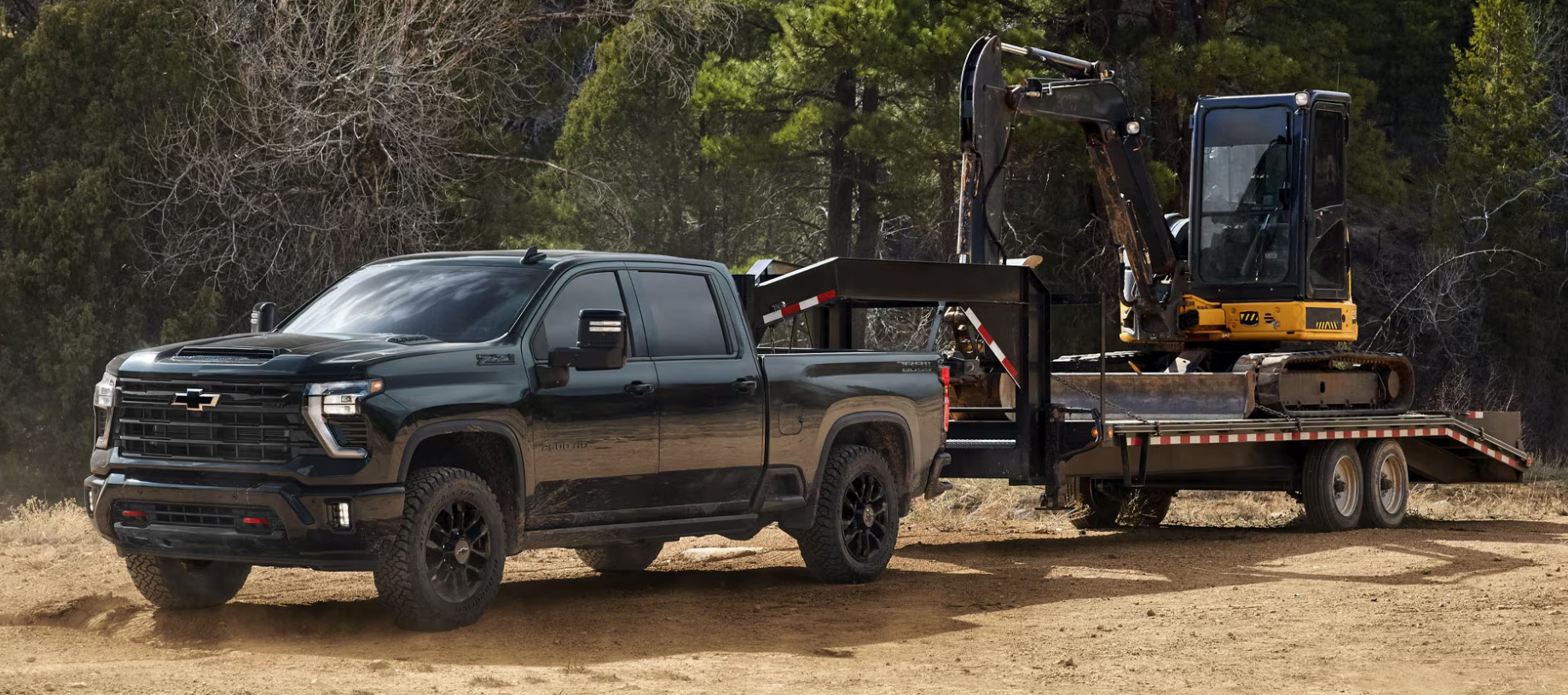
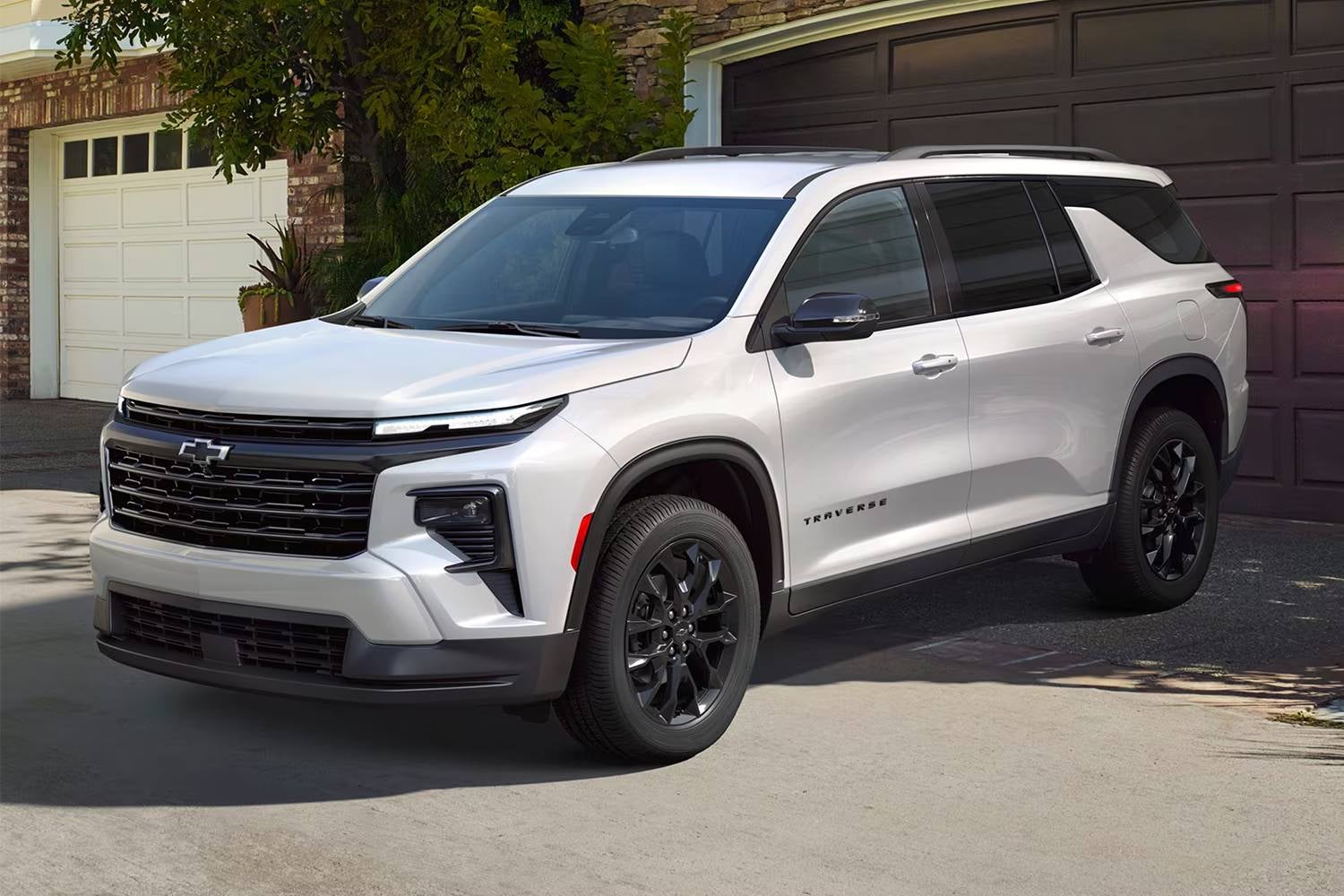
white 2027 chevy traverse suv

The Chevy Traverse has become a favorite for families, commuters, road-trippers, and anyone who wants real three-row space without moving into a full-size SUV. For 2027, the Traverse keeps the bold personality introduced with the current generation and adds thoughtful updates that make it feel more refined, more useful, and easier to tailor to your lifestyle. At Turan-Foley Chevrolet, our team is here to help Gulfport drivers compare the latest Traverse lineup, explore trims, and find the right SUV for daily life along the Mississippi Gulf Coast.

If you are shopping for a roomy SUV with strong power, flexible seating, and plenty of technology, the 2027 Traverse should be on your list. You can start by browsing our Chevy Traverse inventory in Gulfport, MS or comparing it with other models in our new Chevy SUV lineup.


A Refined 2027 Traverse Lineup

The 2027 Chevy Traverse lineup continues with four main trims: LT, Z71, RS, and High Country. That gives shoppers a simple way to choose the personality that fits them best. The LT is the comfortable and practical starting point, with plenty of technology and family-friendly flexibility. The Z71 brings a more rugged attitude with off-road-focused equipment. The RS adds a sportier design, blackout styling, and a more aggressive look. The High Country sits at the top of the lineup with premium materials, elevated details, and a more upscale feel.

This approach works well because not every Gulf Coast driver needs the same kind of SUV. Some shoppers want a practical family vehicle for school drop-offs, grocery runs, and weekend drives to Biloxi or Long Beach. Others want a Traverse that feels more adventurous for camping trips, boat ramps, and unpaved roads. The 2027 lineup gives you room to choose without overcomplicating the process.


A More Premium High Country Trim

One of the biggest updates for 2027 is the evolved Traverse High Country. Chevrolet gave this trim a more premium identity with updated badging, refined interior materials, and exclusive design details. The 2027 Traverse High Country features real wood trim accents, microfiber suede placed throughout the cabin, Tritan Satin finishes, signature door sill plates, and 22-inch high gloss Black machined-face wheels.

For shoppers who want three-row space but still care about a high-end feel, the High Country is the trim to watch. It gives the Traverse a more polished personality while keeping the practical strengths that make the model useful every day. It is a strong fit for drivers who want family space, road-trip comfort, and a cabin that feels more upscale on longer drives across the Gulf Coast.


New Exterior Colors and Design Details

The 2027 Chevy Traverse also adds fresh color options. Twilight Blue is offered on RS and High Country trims, while Trillium Green Metallic is offered across LT, Z71, RS, and High Country. These new colors help the Traverse lineup feel fresh without changing what already works about its bold, truck-inspired shape.

Chevrolet also continues to give each trim its own personality. The LT has a clean and confident family-SUV look. The Z71 adds rugged cues, all-terrain tires, and a more trail-ready stance. The RS leans into sporty blackout features, including black badging, a black grille treatment, and 22-inch high gloss Black-painted aluminum wheels. The High Country brings a more refined appearance with premium finishes and exclusive trim details.


Room for Up to Eight Passengers

Space remains one of the biggest reasons to choose the Traverse. The 2027 Chevy Traverse can seat up to eight passengers on LT models with the available second-row bench seat. Z71, RS, and High Country models seat seven, giving passengers a comfortable three-row layout with easy access to the rear seats.

That flexibility is helpful for families around Gulfport, especially when your SUV needs to handle more than one kind of day. The Traverse can work for school mornings, sports practices, beach gear, luggage, pet crates, and weekend errands. It also offers up to 98 cubic feet of max cargo volume, giving you plenty of room when seats are folded and you need space for larger items.


Technology That Feels Easy to Use

The 2027 Traverse keeps one of its strongest tech features: a standard 17.7-inch infotainment screen. That large display gives the cabin a modern feel and makes it easier to view maps, media, vehicle settings, and connected features. A standard 11-inch driver information screen also helps keep important driving details visible.

Wireless phone charging is standard, second-row USB ports are standard, and available Google built-in compatibility adds another layer of convenience. Available Super Cruise hands-free driver assistance technology is also part of the Traverse story, with RS and High Country trims including it as standard equipment with a 3-year OnStar Super Cruise plan. For drivers who spend time on longer highway stretches, that can make the Traverse feel especially advanced.


Strong Turbocharged Performance

Every 2027 Chevy Traverse uses a turbocharged 2.5-liter engine paired with an 8-speed automatic transmission. Chevrolet lists output at 328 horsepower and 326 pound-feet of torque, giving the Traverse confident power for merging, passing, and carrying passengers or cargo. Front-wheel drive is offered on select trims, and all-wheel drive is available or standard depending on the configuration.

The Traverse also offers up to 5,000 pounds of towing capacity when properly equipped. LT, Z71, and RS trims include trailering equipment, along with standard trailering technology such as Hitch View, Hitch Guidance, and the Trailering App. That makes the Traverse useful for drivers who need to bring along a small trailer, outdoor gear, or weekend equipment.


Z71 Capability for More Adventurous Drivers

The Z71 trim continues to be a standout choice for shoppers who want a more capable Traverse. It includes an advanced twin-clutch all-wheel-drive system, Terrain Mode, Hill Descent Control, off-road suspension, skid plates, and all-terrain tires. Those features give the Traverse Z71 a more confident feel away from smooth pavement while still keeping the comfort and space families expect from a three-row SUV.

For life in South Mississippi, that can be a useful combination. The Z71 is not just about off-road appearance. It is built for drivers who may deal with wet roads, campsites, gravel paths, boat launches, and weekend adventures outside the normal commute. It gives the Traverse a tougher side while keeping the SUV practical for everyday use.


Safety and Driver Assistance Features

The 2027 Chevy Traverse comes with more than 20 standard safety and driver assistance features. Chevrolet highlights features such as Front Pedestrian and Bicycle Braking, Blind Zone Steering Assist, Rear Cross Traffic Braking, Automatic Emergency Braking, and Safety Alert Seat. These systems do not replace attentive driving, but they can help support awareness in busy traffic, parking lots, school zones, and highway driving.

That matters in a family SUV. When you are carrying passengers, navigating Highway 49, or driving across Gulfport, Biloxi, Ocean Springs, and nearby communities, having modern driver assistance technology can add confidence to the experience.


Should You Buy or Lease a 2027 Chevy Traverse?

The right choice depends on how long you plan to keep your SUV, how much you drive, and what kind of monthly budget makes sense. Leasing can be appealing if you like moving into a newer vehicle more often and want flexibility at the end of your term. Buying can make more sense if you plan to keep your Traverse for many years.

Our Chevrolet finance center can help you compare purchase and lease options. You can also review our new Chevy specials to see current opportunities that may apply to your next SUV.


Visit Turan-Foley Chevrolet to Explore the 2027 Traverse

The 2027 Chevy Traverse builds on an already strong formula. It offers bold styling, three-row flexibility, a large standard infotainment screen, strong turbocharged performance, useful towing capability, and a lineup that ranges from practical to rugged to premium. The new High Country updates, fresh colors, and trim-specific design details make the 2027 model even more appealing for shoppers who want a modern family SUV with personality.

If you are ready to learn more, Turan-Foley Chevrolet is here to help. Browse our new Chevy Traverse inventory, compare other new Chevrolet vehicles, or contact our Gulfport Chevy dealership for help finding the right SUV for your family, commute, and weekend plans. After you drive home, our Chevrolet service center is here to help keep your Traverse ready for the road ahead.

Posted in:

Recommended Posts

chevy logo

How Chevy’s In-Vehicle Wi-Fi Works

Sitting in traffic on US-49 or waiting for the ferry line in Gulfport, most of us reach for a phone to check email or stream something for the kids in the back seat. Chevy's in-vehicle Wi-Fi Hotspot solves that problem before it starts, turning the vehicle itself into a source of internet access. We get questions about this feature almost every week at Turan-Foley Chevrolet Buick, so we put together this guide to explain how it actually works. If you'd rather see it in person, you can browse new inventory and find a Wi-Fi-equipped model that fits your life. What Is Chevy's In-Vehicle Wi-Fi? On eligible, properly equipped Chevrolet models, this built-in connectivity feature transforms your vehicle into its own mobile hotspot. Chevy vehicles with Wi-Fi rely on a built-in modem, not your smartphone, and that distinction matters more than most drivers realize. Built-In Hotspot vs. Using Your Phone as a Hotspot We hear this comparison a lot, people wondering why they'd bother when their phone already has a hotspot feature. A few practical differences make the built-in version worth having. A vehicle's built-in modem is built for a stronger signal and better bandwidth than a phone hotspot, which is the main reason OnStar gives for using it over your phone. The in-vehicle hotspot runs off the vehicle's power, so it won't drain a passenger's phone battery the way a personal hotspot does. Multiple riders can connect multiple devices at once without everyone competing for one phone's data and signal strength. That's the real difference in a Chevrolet with Wi-Fi versus improvising with someone's cell phone. The Role of OnStar in Powering Your Connection Every Chevy Wi-Fi hotspot runs through OnStar. An active OnStar Plan is required to power the hotspot, and OnStar links the vehicle's modem to the cellular network in the first place. The system uses that modem to connect to cellular towers on AT&T's network, giving you 4G LTE or better depending on your area and hardware. Members who purchase an eligible Wi-Fi-equipped Chevrolet, Buick, or GMC vehicle can receive up to three months of unlimited data on us for the in-vehicle hotspot. Offers change, so it's worth confirming current terms with OnStar or our team before you count on it. Two current OnStar plans include unlimited hotspot data. Connect Plus starts at $19.99 a month and powers up to seven devices, with video streaming, in-vehicle games, and a built-in browser. OnStar One starts at $34.99 a month, bundles every OnStar feature including the safety and security services, and powers up to 18 devices. Pricing and plan contents reflect 2025 and newer vehicles and can change, so confirm current terms before you commit. How the Wi-Fi Hotspot Works Behind the Scenes Understanding how car Wi-Fi works day to day helps explain why it feels so simple once it's set up. Turning the Vehicle On or Accessory Mode The ignition needs to be in the "Run" or "Accessory" position for the hotspot to function, and the signal is generally accessible within about 50 feet of the vehicle. That range makes it handy for a parent supervising kids at a Long Beach ballfield while the laptop stays connected in the car, or for someone finishing a call from a beach chair in Ocean Springs. Connecting Multiple Compatible Devices Your device limit comes down to your OnStar plan. Connect Plus powers up to seven devices. OnStar One powers up to 18. Chevrolet's support page also lists seven as the figure that applies to most vehicles, so if you're on Connect Plus, seven is your number. Older vehicles and some configurations can differ. If you want it confirmed for your specific Silverado, Traverse, or Equinox, an OnStar Advisor or our team can check it in a minute. Setting Up Your Chevy Wi-Fi Hotspot Getting your hotspot running takes just a few minutes, and there are three main paths depending on what's easiest for you. If you'd like someone to walk through this with you in person, contact our team and we'll help you get connected. Using the Center Display On select 2017 and newer models, everything happens right on the touchscreen. Tap the Wi-Fi Hotspot icon on the center display. Personalize your SSID and password from the same screen. Turn the hotspot on or off as needed. If you're not sharing vehicle data yet, go to Settings, then Wi-Fi Settings, and toggle "Share Vehicle Data" on, then select Continue. Using the myChevrolet App and GM Account The myChevrolet Wi-Fi setup is a favorite for owners who want to manage things from their phone rather than the dashboard. Open the myChevrolet app and go to Controls, then Wi-Fi. Update your network name or password, or simply turn the hotspot on or off. Prefer your computer? Log into your GM account, click your initials, go to Account Overview, select your vehicle, then choose Vehicle Settings under Owner Resources and hit Edit under Wi-Fi Hotspot. The app does more than basic on-off switching. It also manages your data plans, and under Account you can set up Family Sharing to invite up to eight other people into your family group. Worth knowing: Family Sharing shares access to vehicle services and remote commands, not additional hotspot device slots. Using the Blue OnStar Button If you'd rather talk to a person, push the blue OnStar button inside the vehicle and ask an Advisor for help setting up your hotspot or choosing a data plan. Plans can also be purchased directly through your GM account online or via the mobile app if you'd rather skip the call. Connecting Your Devices to the Hotspot Once your hotspot is active, connecting a phone, tablet, or laptop works just like connecting to any home network. Selecting Your Vehicle's Hotspot Name Start a Wi-Fi search on your device and look for your vehicle's SSID, which is simply the network name. If you don't know it offhand, 2017 and newer vehicles show it in the Settings menu. On 2016 and earlier models, press the Phone button on your OnStar controls and say "Wi-Fi Settings" after the prompt, or push the blue OnStar button and ask an Advisor. A quick security note: avoid putting personal information like a phone number, address, or credit card detail into your network name or password. Entering Your Password Your Chevrolet Wi-Fi password, or passphrase, pairs with the SSID to complete the connection. Once entered correctly, the device should connect automatically the next time it's in range, whether you're commuting through D'Iberville or heading out toward Biloxi. Everyday Ways to Use Your Chevy's Wi-Fi An in-vehicle Wi-Fi hotspot proves useful in small, repeated moments, checking email at a stoplight, keeping a laptop connected during a break, letting kids stream something on a long drive. Whether you're driving US-49 north out of Gulfport, cruising the coastal route toward Biloxi and Ocean Springs, or treating the car like a mobile office between job sites near Long Beach and D'Iberville, a stable car Wi-Fi hotspot keeps navigation, work calls, and passenger devices running without relying on spotty phone signal alone. Kids streaming cartoons or logging into virtual learning on a tablet no longer means watching a device's battery drain on a long drive, since the vehicle powers the connection rather than the tablet. Multiple passengers can also stream music or video at the same time, which matters on longer hauls when everyone wants their own entertainment. There's a practical Gulf Coast angle here too: after a storm knocks out home internet, a Wi-Fi-equipped Chevrolet parked in the driveway can serve as backup connectivity, whether that's checking updates on your phone or hopping on a work call. Getting Hands-On with Connected Tech Reading about a feature only gets you so far. Seeing how the myChevrolet app pairs with the center display, or how quickly a hotspot connects once the vehicle starts, tells you more in five minutes than any spec sheet. It's also the best way to understand how the Wi-Fi Hotspot works alongside other onboard tech, like navigation and driver assistance features, without feeling like a separate gadget bolted onto the dashboard. Quick Troubleshooting Checklist If you're already noticing trouble with your current setup, a few quick checks solve most issues. A slow connection often improves by moving to an open area with fewer obstructions or checking your current data plan status. If the SSID isn't showing up, confirm the vehicle is in "Run" or "Accessory" mode and that the hotspot has been turned on through the display or app. When the hotspot won't turn on at all, check that "Share Vehicle Data" is toggled on under Settings, then Wi-Fi Settings, since this permission has to be active for the feature to work. Keep in mind that features vary by model, model year, trim, hardware, software, and service plan, and using the Wi-Fi Hotspot requires a compatible vehicle, an active subscription, and accepted terms. If troubleshooting doesn't resolve the issue, our service department is glad to take a look. Experience Chevy Wi-Fi at Turan-Foley Chevrolet Buick We've spent more than 50 years helping Gulfport-area drivers get into the right vehicle, and that includes making sure you actually understand the technology that comes with it. Whether you're comparing a Chevrolet Traverse Wi-Fi setup for the whole family or wondering about Chevy Wi-Fi cost and current AT&T data trial offers, our team at 11123 Hwy 49N in Gulfport can walk you through center-display setup, app pairing, and device connection in person. If a persistent Wi-Fi or OnStar issue is slowing you down, you can always schedule a service visit or contact our team for help. But the best way to really understand how this feature fits your daily routine is to get behind the wheel yourself. Schedule a test drive with us, and we'll show you exactly how Chevy's in-vehicle Wi-Fi works while you're on the road.

blue silverado 1500

Chevy Silverado 1500 Maintenance Schedule: Service Intervals to Know

The heat, humidity, and towing most owners put their trucks through on the Mississippi Gulf Coast mean a Silverado 1500 needs a real maintenance plan, not guesswork. Following a proper Chevy Silverado 1500 maintenance schedule keeps small issues from turning into expensive repairs down the road. If you'd rather skip ahead, you can schedule service online with our team anytime. This guide breaks down Chevrolet's recommended maintenance schedule by mileage, explains how engine type changes the specifics, and shows why Gulf Coast conditions often call for earlier service than the standard intervals suggest. Keeping Your Silverado 1500 Ready for the Gulf Coast Gulfport summers routinely push highs into the low 90s, with humidity hovering around 74% for most of the year. Biloxi sees similar numbers, and heat index readings along the coast have climbed as high as 114°F during Extreme Heat Warnings. That kind of heat and moisture accelerates oil breakdown, stresses cooling systems, and speeds up corrosion on undercarriage components exposed to salt air near Long Beach and other coastal communities. A maintenance schedule built for milder climates doesn't account for what Gulf Coast trucks go through. We treat every interval as a starting point, then adjust based on how you actually drive. Where to Find Your Silverado's Exact Maintenance Needs Every Silverado 1500 maintenance schedule varies slightly depending on model year and engine, so the numbers in this article are general Chevrolet guidance. Always confirm your truck's exact specs before assuming an interval applies to you. Owner's Manual and myChevrolet App For most recent-model Silverados, the fastest way to find your exact intervals is through the Help Center in the myChevrolet app, where you can search the digital Owner's Manual, or by flipping to the Service and Maintenance section of the printed manual. The app also offers remote start, lock and unlock functions, vehicle health monitoring, and the ability to select your dealership, view recommended services, check current deals, and confirm an appointment, all from your phone. Understanding the Oil Life Monitoring System The Oil Life Monitor (OLM) isn't a simple mileage counter, and it doesn't measure oil quality directly either. It's a software algorithm that continuously tracks engine operating conditions, driving habits, and climate, then calculates a real-time percentage of remaining oil life. That percentage counts down from 100%, drops into a "Change Engine Oil Soon" alert somewhere between 15% and 5% (meaning service is due within the next 600 miles), and eventually hits "Oil Change Required" at 0%. Even at 50% life remaining, Chevrolet still recommends an oil change at least once every 12 months. If the OLM ever gets reset by mistake or a service gets missed, plan to service within 3,000 miles. GM counts one hour of idling as roughly 33 miles toward that total, so heavy idling adds up faster than you'd think. Core Service Intervals Every Silverado Owner Should Know Two baseline services anchor the entire Chevrolet recommended maintenance schedule for the Silverado 1500. Oil and Filter Changes: Every 7,500 Miles Chevrolet generally recommends an oil and filter change every 7,500 miles or 12 months, whichever comes first. Under ideal conditions, that interval can stretch toward 10,000 miles. Frequent towing, extended idling, or extreme heat push it down to somewhere between 5,000 and 7,500 miles instead. For a 2026 Silverado 1500 doing heavy towing in high heat, a 5,000-mile interval is often the safer call. Tire Rotations and Multi-Point Inspections Tire rotations follow the same 7,500-mile rhythm, typically performed at each oil change. Every 7,500 miles (or 12,000 km), a standard visit also includes an OLM reset and a Multi-Point Vehicle Inspection (MPVI), which checks brakes, belts, and other wear points. Chevrolet alternates between two service depths at these visits: Maintenance I covers the basics, while Maintenance II adds inspection of the suspension, steering, exhaust, seat belts, wipers, throttle body, and cooling system. Silverado 1500 Maintenance Schedule by Mileage The Chevy Silverado 1500 maintenance schedule typically progresses like this as your odometer climbs. These are Chevrolet's general benchmarks; your specific engine and model year may shift things slightly. 12,000-30,000 Miles: Early Upkeep This early stage is mostly about staying ahead of small problems. Technicians check coolant, brake fluid, washer fluid, and power steering fluid (where applicable), while looking for leaks, unusual noises, vibration, or warning lights. The passenger compartment air filter gets inspected every 22,500 miles or two years, with replacement sooner if you're driving through heavy traffic, dust, or poor air quality, which describes a lot of Gulf Coast commutes. 30,000-60,000 Miles: Fluids and Wear Items If you tow frequently or drive under other severe-service conditions, automatic transmission fluid often needs changing around 45,000 miles rather than waiting for the standard interval. Around the 45,000-mile or three-year mark, service can also include brake fluid replacement, a throttle body and induction inspection, a new engine air filter, and transmission fluid and filter service for trucks used in severe duty. Towing generates heat that causes gear hunting and torque converter slip, and keeping the transmission cool is genuinely one of the most important factors in long-term drivetrain life. If your Silverado spends a lot of time pulling a trailer along the coast, staying ahead at the 45,000-mile mark pays dividends for long-term drivetrain life. Our team can help you figure out where you land, so feel free to book a visit if you're getting close to this mileage. 60,000-90,000 Miles: Major Component Checks Spark plug replacement enters the picture here for trucks equipped with the 2.7L TurboMax, generally around 60,000 miles. This range also often includes a serpentine belt and coolant hose inspection, plus axle fluid service for owners who tow frequently. 90,000+ Miles: Long-Term Reliability Services Trucks running the 5.3L EcoTec3 V8 or 6.2L EcoTec3 V8 typically need spark plugs replaced around 97,500 miles, later than the TurboMax engine. For 4WD models, transfer case fluid and body lift struts are usually addressed around 100,000 miles. Coolant service using Dex-Cool generally falls around 150,000 miles, and this stage of ownership is also a good time for battery, charging system, and PCV checks along with a look at the wheel bearings or hubs. Silverado Maintenance Schedule by Engine Type Oil type, capacity, and spark plug intervals vary meaningfully by engine, so it's worth knowing exactly what's under your hood before your next visit. Engine Oil Type/Spec Oil Capacity Note Spark Plug Interval 2.7L TurboMax SAE 5W-30 full synthetic, dexos1 6.0 quarts (2019-2026 model years) ~60,000 miles 5.3L EcoTec3 V8 SAE 0W-20 full synthetic, dexos1 Gen 3 8 quarts (increased from 6 qt with 2014 redesign) ~97,500 miles 6.2L EcoTec3 V8 SAE 0W-20 full synthetic, dexos1 Gen 3 8.0 quarts (2014-2026 model years) ~97,500 miles 3.0L Duramax dexosD-rated SAE 0W-20 7.0 quarts (2020-2026 model years) Not applicable (diesel) Silverado Maintenance Schedule At a Glance Bookmark or screenshot this summary for quick reference between service visits. At 7,500 miles or 12 months, expect an oil and filter change, tire rotation, OLM reset, and MPVI, sooner if you're driving under severe conditions. By 22,500 miles or 2 years, the passenger compartment air filter gets inspected and replaced as needed. At 45,000 miles or 3 years, you're looking at brake fluid service, a throttle body inspection, a new engine air filter, and transmission fluid/filter work if your truck sees severe duty. Around 60,000 miles, TurboMax owners get spark plugs done, along with a serpentine belt and coolant hose check and axle fluid service for frequent towing. Around 97,500 miles, spark plugs come due on the 5.3L and 6.2L EcoTec3 V8 engines. By 100,000 miles, 4WD trucks need transfer case fluid and body lift strut service. Around 150,000 miles, the coolant (Dex-Cool) gets drained and refilled. And past 100,000 miles, plan on battery and charging tests, PCV inspection, and a look at the wheel bearings or hubs. Why Gulf Coast Driving Conditions Call for Extra Attention Chevrolet defines severe service as towing near your truck's rated capacity, extended idling, dusty roads, frequent short trips, extreme heat or cold, or commercial use. That list reads like a description of everyday driving around Gulfport, Biloxi, and Long Beach. Towing, Heat, and Humidity Under severe service, oil, transmission fluid, and differential lubricants all break down faster than they would in milder climates. That's why a transmission fluid exchange may be warranted around 45,000 miles for trucks that tow frequently in Gulf Coast heat, rather than waiting for the standard interval. If your Silverado hauls a boat to Long Beach on weekends or tows equipment for work, this is worth discussing with your service advisor at your next visit. Stop-and-Go Traffic and Jobsite Use Stop-and-go traffic and hot weather both raise engine operating temperatures, which speeds up oil degradation even on trucks that never leave the pavement. Dusty or rural roads mean earlier air and cabin filter service, while jobsite towing, short trips, and extended idling all shorten oil life faster than highway miles would. If your truck spends its days on a jobsite or making frequent short hops around town, plan on servicing toward the earlier end of every interval range mentioned above. Ready to get ahead of it? Schedule your next service and we'll walk you through what your specific truck needs. Documented service history also matters if you ever need to file a warranty claim. Missing a single service doesn't automatically void your coverage, but keeping a clear maintenance record protects you if a claim ever comes into question. For specifics on your truck's warranty documentation, our service advisors can point you in the right direction, or reach out through our contact form with any questions. Schedule Your Silverado Service at Turan-Foley Chevrolet Following the Chevy Silverado 1500 maintenance schedule doesn't have to be complicated, especially with a local team that understands what Gulf Coast conditions do to a truck. Why Drivers Choose Us We operate the largest service bay on the Gulf Coast, staffed by factory-trained and EV-certified technicians who handle routine oil changes and major component service alike. While you wait, our lounge offers complimentary beverages and free Wi-Fi. Visit Us We're located at 11123 Hwy 49N, Gulfport, MS 39503, and we're proud to serve drivers throughout Biloxi, Long Beach, and the surrounding Mississippi Gulf Coast communities. For general information on what we offer, visit our service center, or go ahead and schedule your Silverado's next service today.

chevy truck towing construction equipment

Do Chevy Trucks Hold Their Value?

Chevy trucks, especially the Silverado 1500, retain value at rates close to the full-size truck average, and the heavy duty Silverado HD holds value better still. They won't win the outright resale crown, but they're a smart, defensible choice for anyone who wants dependable value retention without overpaying at trade-in time. Yes, Chevy trucks hold their value well, though there are a few caveats worth understanding before you buy or trade. Ready to compare trucks in person? You can browse new inventory or check used inventory at Turan-Foley Chevrolet Buick in Gulfport. Do Chevy Trucks Hold Their Value? The Honest Answer Mostly yes, with some fine print. According to iSeeCars, the average new vehicle loses 41.8% of its value over five years, while the average new truck depreciates only 34.2% in that same window. Pickups, along with sports cars, consistently outperform luxury cars and minivans when it comes to holding value, and that category advantage carries over to Chevy specifically. The Silverado 1500 retains 60.7% of its value after five years, per iSeeCars, just shy of the full-size truck average of 61.7%. That's a solid showing even if it's not the top of the leaderboard. Reliability helps the case too. The 2026 J.D. Power Vehicle Dependability Study ranked the Silverado second in the Large Light Duty Pickup segment, behind the Ram 1500 but ahead of the Ford F-150 and GMC Sierra. At the brand level Chevrolet finished ahead of all three, with 178 problems per 100 vehicles against 216 for Ram, 228 for Ford, and 229 for GMC. How Chevy Silverado Resale Value Compares to the Competition Resale numbers only mean something when you stack them against what else is on the lot. Silverado 1500 vs. Toyota, Ford, and Ram Resale Rankings Kelley Blue Book's 2026 Best Resale Value Awards named Toyota the top brand for resale value for the sixth consecutive year, with the Toyota Tacoma leading truck nameplates at roughly 63% retained value after five years and the Toyota brand averaging 53% overall. Chevy isn't the category winner in KBB's rankings this year. That said, the full picture is closer than the brand awards suggest. iSeeCars ranks the Toyota Tundra first among full-size trucks at 78.6% retained after five years, with the Ram 1500 at 62.2%, the Ford F-150 at 62.1%, the GMC Sierra 1500 at 61.8%, and the Silverado 1500 at 60.7% against a category average of 61.7%. That puts four half-tons within two points of each other, which means resale alone is not what separates them. Where Chevy does pull ahead is long-term dependability. In the J.D. Power 2026 U.S. Vehicle Dependability Study, Chevrolet posted 178 problems per 100 vehicles, better than Ram at 216, Ford at 228, and GMC at 229. Why Pickups in General Hold Value Better Than Most Vehicles Trucks hold value because they're useful long after the warranty expires. A truck with a dented tailgate can still haul lumber or tow a boat, so buyers don't discount them as harshly as they would a sedan with cosmetic wear. Towing capacity, bed space, and 4WD availability keep demand steady among contractors, farmers, and weekend haulers alike, which props up resale prices across the board. Resale Value Across the Chevy Truck Lineup Not every Chevy truck depreciates at the same rate. Trim, powertrain, and segment positioning all matter. Chevy Silverado 1500 The Silverado 1500 retains 60.7% of its value at the five-year mark, according to iSeeCars, with depreciation climbing from 28.2% at three years to 49.8% at seven years and 62.2% at ten years. It's offered across nine trims: WT, Custom, LT, RST, LT Trail Boss, Custom Trail Boss, LTZ, ZR2, and High Country, with towing capacity reaching 13,300 lbs when equipped with the 3.0L Duramax turbo-diesel. Chevy Silverado HD The Silverado HD is where Chevy's resale story gets stronger. The 2500HD retains about 74% of its value after five years per iSeeCars, roughly 13 percentage points better than the Silverado 1500's 60.7%. Heavy-duty trucks hold value better as a class, with a segment average of 77%. The Duramax 6.6L Turbo-Diesel V8 produces 470 hp and 975 lb-ft of torque paired with the 10-speed Allison transmission, and Crew Cab 2500HD models tow up to 22,070 lbs. Step up to a 3500HD dually with the Duramax and towing clears 30,000 lbs. Chevy Colorado The Colorado holds up relatively well too, retaining 62.1% of its value after five years. Its depreciation rate runs faster than the midsize category average (37.9% versus 29.6%), yet its resale percentage still lands above the Silverado 1500's. Six trims are available: WT, Custom, LT, Trail Boss, Z71, and the off-road-ready ZR2, all powered by the 2.7L TurboMax four-cylinder making 310 hp and 430 lb-ft of torque. Model Powertrain Max Towing Trim Range Est. 5-Year Resale % Silverado 1500 EcoTec3 V8 / 3.0L Duramax 13,300 lbs WT to High Country 60.7% Silverado HD (2500HD) 6.6L Duramax Turbo-Diesel V8 22,070 lbs (up to 30,000+ dually) WT to High Country 68% Colorado 2.7L Turbo 4-cyl 7,700 lbs WT to ZR2 62.1% Key Factors That Affect Your Chevy Truck's Resale Value Resale value isn't fixed. It moves based on specific, controllable factors. Mileage, Condition, and Maintenance Records Kelley Blue Book points to make, model, age, mileage, and overall condition at the time of trade as the primary drivers of depreciation, along with maintenance and accident history. A truck with documented maintenance and lower mileage will always outperform an otherwise identical model without that history. 4WD, Engine Choice, and Towing Packages Four-wheel drive and towing equipment add resale value, and 4WD stays in high demand among commercial, rural, and off-road buyers specifically. Silverado is offered in 2WD and 4WD with no all-wheel-drive option, so 4WD is the box that matters here. If you're deciding between trims now, options like the Max Trailering Package can pay off later. Cab and Bed Configuration Payload varies meaningfully by cab style, and lighter configurations carry more. Chevrolet rates the 2026 Silverado 1500 at up to 2,260 lbs of max available payload, reached with the TurboMax engine in a Regular Cab Long Bed 2WD build. Crew Cab and 4WD trucks come in lower because the truck itself weighs more. The Durabed includes 12 standard tie-downs rated at 500 lbs per corner, a detail work-truck buyers notice and value. Gulf Coast Demand for Work and Personal-Use Trucks Here on the Mississippi Gulf Coast, local conditions shape resale value in ways national averages don't always capture. A few things to keep in mind if you're in Gulfport, Biloxi, Ocean Springs, D'Iberville, or nearby communities: Humidity and coastal salt exposure increase corrosion risk, so undercarriage condition matters more here than in drier climates. Towing and hauling demand stays high locally, driven by boat owners and trailer users along the coast. Personal-use and work-truck demand both remain strong, keeping resale prices for well-maintained trucks competitive in the Gulfport market. Nationally, the personal-use segment of the pickup market is expected to dominate with a 61% share and a 2% compound annual growth rate from 2026 through 2035, according to Global Market Insights, pointing to steady demand for trucks like the Silverado for years to come. Curious about financing before you commit? You can check pre-approval options with our team. Tips to Maximize Your Chevy Truck's Value at Trade-In A few practical habits go a long way toward protecting your truck's value, whether it's a Silverado 1500, Silverado HD, or Colorado. Keep a digital service log rather than relying on paper receipts that can get lost. Choose neutral exterior colors when you buy, since they tend to attract more buyers at resale. Avoid non-reversible lift kits or bed modifications, which can shrink your buyer pool. Address minor repairs before you trade in rather than letting them accumulate, and always detail the truck thoroughly before an appraisal. These small steps often make a bigger difference than owners expect. Timing matters too. Depreciation is front-loaded in the first five years of ownership, so trading in earlier typically captures more retained value. It's also worth considering a trade ahead of a major model redesign, since outgoing generations can lose value faster once a new one arrives, or during periods of high local seasonal demand when buyers are actively searching. New vs. Used Chevy Trucks: Which Retains More Value New trucks lose value fastest in their first couple of years, which is exactly why used-truck demand keeps growing. Buying a truck that's already two years old lets you skip the steepest part of the depreciation curve. Certified Pre-Owned programs have made this an easier decision too, since franchised dealers now offer warrantied CPO vehicles that add a layer of trust buyers didn't always have in the used market. A well-maintained used Silverado can be one of the best value options available if you're weighing long-term resale against upfront cost. Get a Free Trade-In Value Estimate at Turan-Foley Chevrolet Why Get an Estimate We offer free trade-in value estimates at Turan-Foley Chevrolet Buick in Gulfport, so you don't have to guess what your Chevrolet is worth right now. Our team looks at your truck's mileage, condition, trim, and local market demand to give you a clear, honest number. Start the Process You can get your trade-in value online in a few minutes, or contact us directly if you have questions about your specific model. As a family-owned dealership serving Gulfport and the surrounding Gulf Coast for more than 50 years, we treat every trade-in conversation the way we'd want our own family treated: straightforward, no pressure, no runaround. Frequently Asked Questions About Chevy Truck Resale Value Does Chevy or Toyota have better resale value? Toyota currently holds the resale crown according to Kelley Blue Book, with the Tacoma leading all 2026 nameplates. That said, the Silverado 1500 sits within a point of the full-size segment average per iSeeCars, and Chevrolet outscored Toyota's domestic rivals on brand dependability in the J.D. Power 2026 study. How does the Silverado 1500 compare to the full-size truck category average? The Silverado 1500 retains 60.7% of its value after five years, just under the full-size average of 61.7%, according to iSeeCars. It's nearly on par with the segment as a whole. Is the Silverado HD a better resale investment than the 1500? Yes, by a notable margin. The Silverado 2500HD retains about 74% of its value after five years compared to roughly 60.7% for the 1500, a difference of more than 13 percentage points. What hurts truck resale value the most? High mileage, poor condition, incomplete service history, non-reversible modifications, and low reliability or desirability all drag down resale value, according to Kelley Blue Book's depreciation factors.