



Blog / Trailblazer

What's New With the 2027 Chevy Trailblazer?

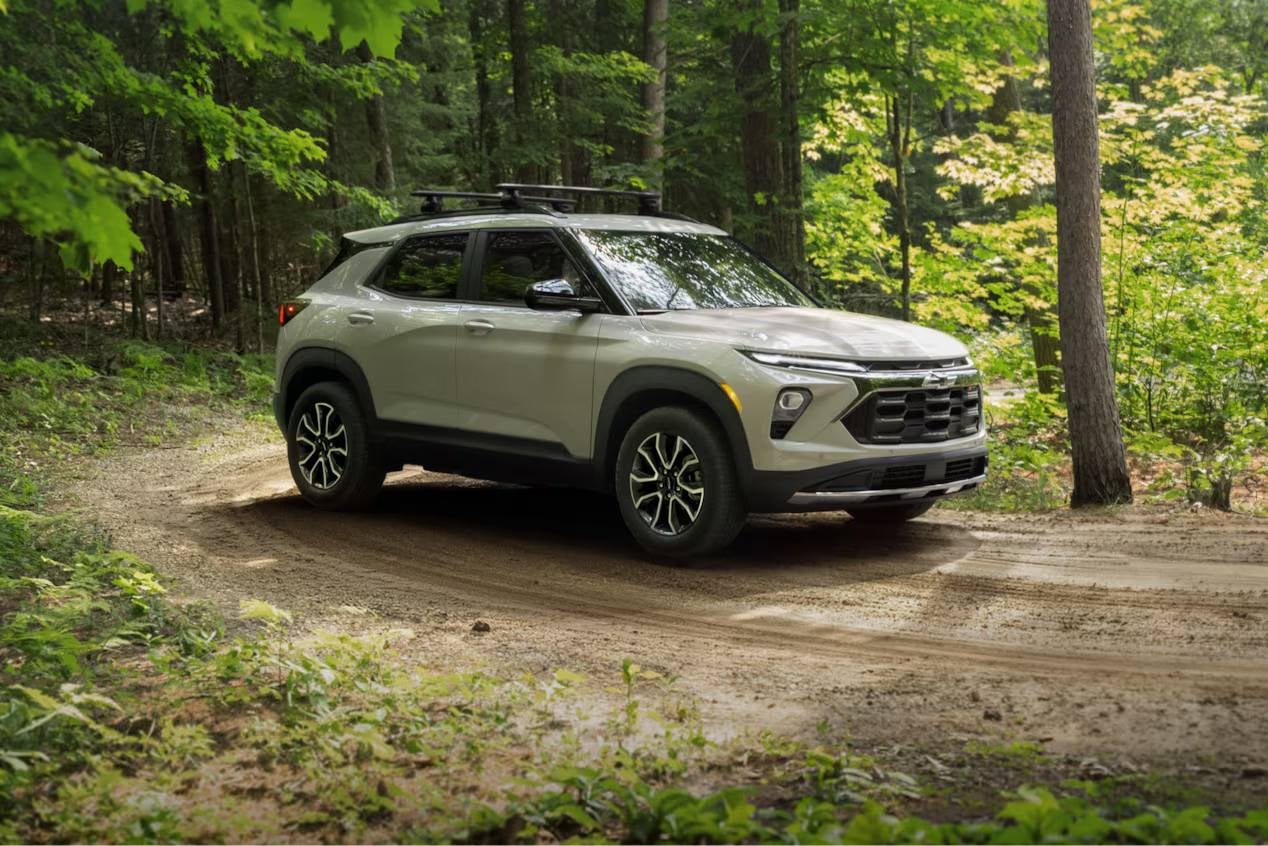
2027 chevy trailblazer on dirt road in wooded area
The Chevy Trailblazer has always been a great option for drivers who want SUV versatility without the size or price tag of a larger vehicle. For 2027, Chevrolet is giving its popular small SUV a meaningful refresh with more standard safety technology, upgraded screens, fresh styling, and an exciting new trim level.

The 2027 Chevy Trailblazer brings several improvements that Gulfport drivers will appreciate, especially those who want an affordable SUV for commuting, family errands, and weekend adventures along the Mississippi Gulf Coast. The biggest additions include a new Z71 trim, an upgraded turbocharged engine across the refreshed lineup, and a more modern interior.

Here's everything you need to know about what's changing for the 2027 Chevrolet Trailblazer.


The 2027 Chevy Trailblazer Gets a New Z71 Trim

One of the biggest announcements for 2027 is the introduction of the Chevy Trailblazer Z71. Chevrolet has used the Z71 name on its trucks and larger SUVs for years, and now that adventurous styling and added capability are coming to the smaller Trailblazer.

The new Z71 isn't just an appearance package. It includes several upgrades designed for drivers who occasionally venture beyond paved roads:
  • Standard all-wheel drive
  • Off-road-tuned suspension
  • Sport-terrain tires
  • Functional front steel skid plate
  • 17-inch Dark Gray machined aluminum wheels
  • Unique Z71 exterior badging
  • Jet Black and Storm Sky Gray interior with Orange accents

For drivers who enjoy exploring areas around South Mississippi, the Z71 adds another level of versatility. While it isn't intended to replace a dedicated off-road SUV like the Wrangler or Bronco, it offers extra capability for gravel roads, dirt paths, and less-than-perfect driving conditions.


More Standard Safety Features for 2027

Safety is another area where Chevrolet has made substantial improvements. The 2027 Trailblazer will offer more than 20 standard safety and driver assistance features, thanks in part to an upgraded electrical and software architecture.

Newly standard technologies include Reverse Automatic Braking, Rear Cross Traffic Braking, Blind Zone Steering Assist, Front Park Assist, and Intersection Automatic Emergency Braking.

Adaptive Cruise Control and a Safety Alert Seat are also included among the standard features Chevrolet is highlighting.

These additions could be especially useful for daily driving around Gulfport and Biloxi. Parking in crowded shopping centers, changing lanes on I-10, and navigating busy intersections can all benefit from additional driver assistance technology.

The expanded standard equipment also means shoppers won't necessarily need to choose a more expensive trim just to access many of the Trailblazer's advanced safety features. Of course, driver assistance technology supplements attentive driving rather than replacing it.


Larger Touchscreens and Google Gemini Technology

The 2027 Trailblazer receives a noticeable technology upgrade with an 11.3-inch center touchscreen and an 11-inch digital Driver Information Center.

This new display combination gives the dashboard a more modern appearance while making vehicle information, navigation, and entertainment easier to access.

One of the most interesting additions is Google built-in with Google Gemini. This AI-powered assistant allows drivers to use conversational voice commands for supported tasks, including getting directions, asking questions, and interacting with certain vehicle functions.

Wireless Apple CarPlay and Android Auto compatibility also remain part of the Trailblazer's technology offerings, allowing drivers to connect compatible smartphones.

For shoppers upgrading from an older vehicle, the difference should be noticeable. The larger displays and improved software make the 2027 Trailblazer feel more connected and sophisticated without requiring buyers to move into a larger SUV.


A More Practical Interior With Redesigned Storage

Chevrolet hasn't forgotten about everyday convenience. The 2027 Trailblazer features a redesigned center console with improved storage and retractable cup holders.

A new column-mounted gear selector frees up space between the front seats, giving drivers more room for smaller belongings. Chevrolet is also adding rear-passenger climate vents, an appreciated improvement for families and passengers riding in the back.

Despite its compact exterior, the Trailblazer still offers seating for five and up to 39 inches of rear legroom.

Cargo flexibility remains another selling point. With the rear seats folded, the Trailblazer offers up to 54.4 cubic feet of cargo space. A standard fold-flat front passenger seat also allows certain longer items to fit inside, providing up to 8.5
feet of cargo length.

An available AutoSense power liftgate is another new convenience feature for 2027. It can make loading groceries, luggage, or beach equipment easier when your hands are full.


The 1.3L Turbo Engine Becomes Standard

The refreshed 2027 Chevrolet Trailblazer lineup also simplifies its engine choices.

Previously, Trailblazer shoppers could choose between a 1.2-liter turbocharged engine and a more powerful 1.3-liter option. For the refreshed 2027 models, Chevrolet is making the 1.3-liter ECOTEC turbocharged engine standard.
That engine produces 155 horsepower and 174 lb-ft of torque, giving drivers responsive performance for everyday commuting and highway travel.

The Trailblazer also offers three standard drive modes: Normal, Sport, and Snow. All-wheel drive is available on the LT and RS and comes standard on the new Z71.

For drivers who regularly travel between Gulfport, Biloxi, and other Gulf Coast communities, the combination of a compact SUV design and turbocharged performance makes the Trailblazer a versatile everyday vehicle.


Updated Exterior Styling and Two New Colors

The 2027 Trailblazer receives refreshed styling that helps distinguish it from previous model years. Chevrolet is emphasizing more distinctive front-end designs across the three main trims, along with updated interior details and available exterior features.

Two new exterior colors are joining the lineup:
  • Lagoon: A distinctive new color that gives the Trailblazer a fresh personality.
  • Sunrise Orange: A bold option for drivers who want their SUV to stand out.

Both colors are offered on the LT and Z71, subject to availability.

Meanwhile, the RS continues to emphasize sporty styling, including 19-inch Carbon Flash Metallic machined aluminum wheels, Black-painted roof rails, and available two-tone roof options.

An available panoramic sunroof also gives shoppers another opportunity to personalize their Trailblazer.


What Are the 2027 Chevy Trailblazer Trim Levels?


Chevrolet is simplifying the refreshed Trailblazer lineup to three primary models: LT, RS, and Z71.


2027 Trailblazer trim Best for Key highlights
LT Value-focused SUV shoppers Standard 1.3L turbo engine, digital displays, available AWD
RS Drivers who prefer sporty styling 19-inch wheels, Red interior accents, flat-bottom steering wheel
Z71 Drivers wanting added adventure capability Standard AWD, off-road suspension tuning, skid plate, sport-terrain tires

The streamlined lineup makes it easier to choose based on your priorities. The LT offers the essentials and modern technology, the RS adds a more athletic look, and the Z71 brings a greater focus on adventurous driving.
If you're deciding between an affordable small SUV and something with more rugged styling, the new Z71 is particularly worth considering.


When Will the 2027 Chevy Trailblazer Be Available?


Chevrolet says the updated 2027 Trailblazer is expected to become available in late spring 2027, with ordering scheduled to open in February 2027.

That gives shoppers some time to decide whether they want to wait for the refreshed model or take advantage of available 2026 inventory.

If you're interested in the new Z71, larger displays, or expanded standard safety features, waiting for the 2027 version could be worthwhile.

However, if you need an SUV sooner, you can already browse the new Chevy Trailblazer inventory in Gulfport at Turan-Foley Chevrolet.

You can also explore our current Chevrolet specials to compare available lease and financing offers. Shoppers looking for an alternative compact SUV may also want to consider our new Chevy Trax inventory.

If you're planning to trade in your current vehicle, start with our online trade-in appraisal. You can also apply for financing to explore available purchasing options before visiting the dealership.


Shop Chevy Trailblazer SUVs at Turan-Foley Chevrolet in Gulfport, MS

The 2027 Chevy Trailblazer brings an impressive collection of updates without abandoning the practicality that made it popular. More standard safety features, larger screens, a redesigned interior, standard 1.3-liter turbocharged performance, and the new Z71 trim make this refreshed small SUV worth considering.

At Turan-Foley Chevrolet, we're excited to help Gulf Coast drivers explore the latest Chevrolet SUVs. Our family-owned dealership has served the Mississippi Gulf Coast for more than 50 years, and we believe vehicle shopping should be straightforward, with no hidden fees or mandatory add-ons.

Visit Turan-Foley Chevrolet at 11123 Highway 49 North in Gulfport, MS, to explore our available vehicles, compare purchasing options, and learn more about the upcoming 2027 Trailblazer.

You can also contact our Chevrolet sales team to ask about availability or schedule a test drive of a currently available Trailblazer. We look forward to helping you find the right Chevy SUV for your drives around Gulfport, Biloxi, Long Beach, and beyond.
Posted in:

Recommended Posts

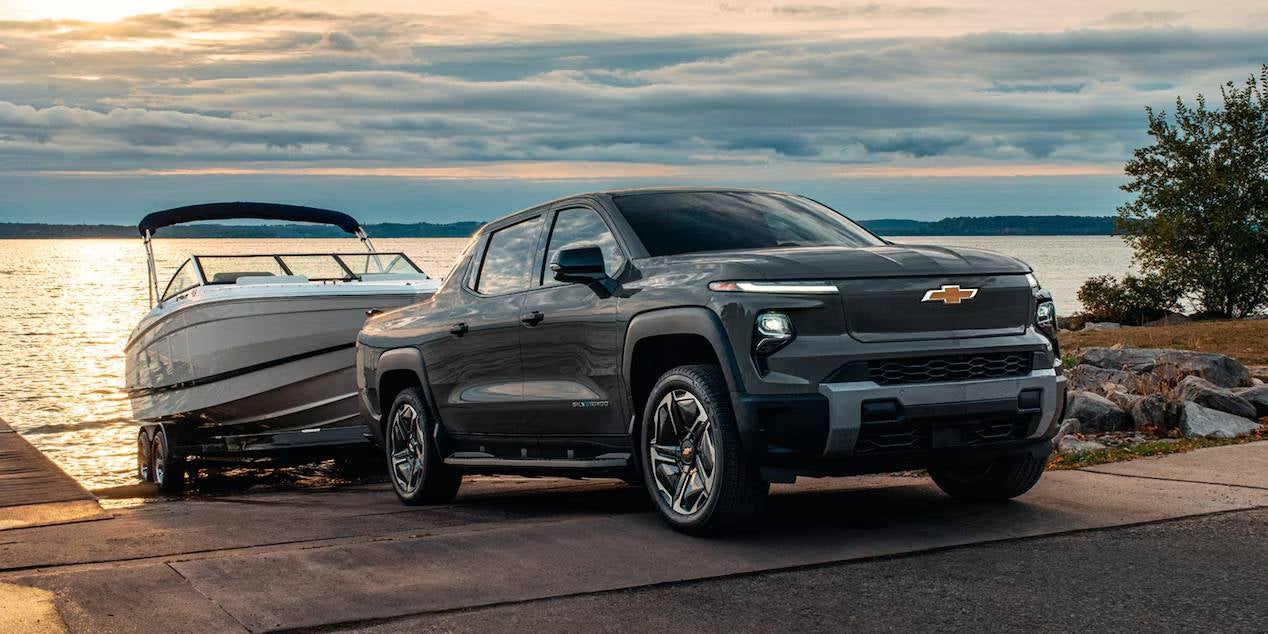
2027 chevy silverado ev towing a boat

Is a Silverado EV Practical if You Tow a Boat or Trailer?

Yes, for many owners, with conditions. Silverado EV towing works well when the loaded trailer fits your exact truck's ratings and your trips fit a realistic charging plan. If you're sizing up an electric truck in Gulfport, MS, the headline tow rating only gets you started. You can browse new vehicles as you read, then match what you learn to your own boat or trailer. Is the Silverado EV Practical if You Tow a Boat or Trailer? Two questions matter here: whether the truck can pull your load, and whether the trip stays convenient once charging enters the picture. A truck can have enough pulling capacity and still need extra stops or careful route planning. Start with your routine: loaded trailer weight, passengers and cargo, round-trip distance, how often you tow, and where you charge. Predictable trips that begin and end at home are the easiest fit. Long hauls through unfamiliar territory take more work. Electric power gives responsive acceleration and no tailpipe emissions, but you still manage trailer loading, braking, traction, and energy use. Silverado EV Towing Capacity: Why Your Exact Configuration Matters Chevrolet's published Silverado EV towing capacities vary by battery, trim, and equipment, so no single number covers the lineup. The table below shows the 2026 Silverado EV with dual-motor 4WD. Four-wheel drive is standard across the lineup. Configuration Battery Maximum conventional towing Standard Range Work Truck Standard 8,500 lbs. Extended Range Work Truck Extended 12,500 lbs. Max Range Work Truck Max 10,500 lbs. Standard Range LT Standard 8,500 lbs. Extended Range LT Extended 12,500 lbs. Extended Range LT with Premium Package Extended 10,600 lbs. Max Range LT Max 7,000 lbs. Extended Range Trail Boss Extended 12,500 lbs. Extended Range Trail Boss with Premium Package Extended 12,300 lbs. Max Range Trail Boss Max 10,200 lbs. Your exact truck's GCWR, payload and tongue-weight limits are on its door-jamb Trailering Information Label. Battery, Trim and Equipment Change the Number The 12,500-lb. figure applies only to Extended Range trucks: the Work Truck, LT and Trail Boss. Treat it as a ceiling that depends on configuration and equipment, since maximum capacity may require optional trailering equipment. The Max Range LT has the biggest battery and the lowest tow rating in the table, so the longest-range truck often isn't the best towing truck. Passengers, cargo, options, and accessories all reduce what your specific truck can tow. Chevrolet bases the trailer weight rating on GCWR and curb weight with a 150-lb. driver and front passenger. Matching Your Boat or Trailer to Tongue Weight, Payload and Hitch Ratings Towing capacity and payload are separate limits. Tongue weight, the downward push of the trailer on the hitch, eats into payload along with passengers, gear, and accessories. Chevrolet says conventional-trailer tongue weight should generally be 10% to 15% of loaded trailer weight. Some trailers, especially boat trailers, fall outside that range, so follow the trailer's manual. Tongue weight must not push the truck past its rear GAWR, GVWR, or maximum tongue load. The driver-side door-jamb Trailering Information Label lists your truck's GVWR, GCWR, rear GAWR, maximum payload, maximum tongue weight, and curb weight. Use it, along with the Owner's Manual, instead of a model-wide headline. For reference, the Extended Range Trail Boss carries a 2,100-lb. payload rating, and that applies to that configuration only. Picture a center console boat on a tandem-axle trailer (an illustration, not a real truck or trailer). Add fuel, batteries, and a cooler, plus dock gear. The loaded total is what counts, and the boat's dry weight tells you little. Compare that total, and the tongue weight, with the ratings on your truck's own label. Before you hitch up: Loaded trailer weight, not dry weight. Tongue weight against remaining payload after passengers and gear. Hitch class, plus receiver, ball mount, ball, and coupler ratings. Brake controller setup. Tire pressure on the truck and trailer. Our service department can help with hitch setup, tires, and brakes. Stay within your gross combined weight rating and use a properly rated hitch and brake controller. Please confirm every rating in the Owner's Manual and on the door-jamb label. Our team can help match a truck to your trailer. Instant Torque, Standard 4WD and Trailering Technology Chevrolet describes nearly instantaneous torque to all four wheels, which helps a trailer get moving smoothly. Torque runs from 490 lb.-ft. on the Standard Range Work Truck to 775 lb.-ft. on the Extended and Max Range Trail Boss. The LT offers 605 lb.-ft. in Standard Range and 765 lb.-ft. in Extended and Max Range. Smooth response makes the truck easier to drive, but proper setup still comes first. Dual Motor 4WD is standard, though it can't guarantee grip on wet or uneven surfaces. The Trail Boss adds standard four-wheel steering and Sidewinder diagonal steering for low-speed moves. You still need to watch trailer length and its path through a turn. Depending on equipment, the In-Vehicle Trailering App offers trailer route planning, pre-departure checklists, trailer tire-pressure monitoring, trailer-light testing, maintenance reminders, and up to five trailer profiles. Hitch View and Rear Trailer View are available camera views. Some need accessory cameras, and some need trailer dimensions or calibration. These features aren't standard on every trim. Boat Towing vs. Utility Trailer Towing in an Electric Truck Both jobs need the same basics: loaded weight, tongue weight, payload, hitch compatibility, and trailer brakes. After that, they diverge. Silverado EV boat towing adds ramp work. Whether you launch near Biloxi or Bay Saint Louis, slope, surface, and water exposure matter as much as the tow rating. Responsive torque and 4WD help with controlled movement on a wet ramp, but use light throttle and follow the Owner's Manual guidance on water exposure. Many boaters make short ramp-to-marina hops, which suit an electric truck. Rinse off saltwater afterward, and remember that summer heat and humidity affect everyone on the ramp. Silverado EV trailer towing with a utility or enclosed trailer is different. Loads change from trip to trip, so recheck weight distribution and secure cargo each time. A tall enclosed cargo trailer can create more aerodynamic resistance than a low utility trailer, so weight alone won't predict energy use. Gear in the truck cuts the payload left for tongue weight. EV Towing Range: Why Advertised Range Is Not a Towing Estimate Published range describes a truck without a trailer. Chevrolet lists the Work Truck at 286, 424, and 493 miles for Standard, Extended, and Max Range, EPA-estimated. The LT is 283 and 410 miles EPA-estimated, with Max Range at 478 miles GM-estimated. None of those are EV towing range figures. Pulling a trailer takes more energy, so plan with towing consumption instead of the sticker number. Trailer Weight, Aerodynamics, Speed and Weather The actual range varies with ambient temperature, terrain, battery age and condition, loading, and use and maintenance. For towing, add trailer weight and speed. Weight takes energy to accelerate and climb. Aerodynamic drag matters most at highway speeds, and a bulky trailer can hurt even when it's light. Headwinds and fast driving make it worse. Don't apply one universal percentage to every trailer. Start conservatively, then learn your own truck-and-trailer pairing. Always keep an arrival reserve instead of planning to drain the battery. Trailer sway is a separate concern. Chevrolet lists improper weight distribution, excessive speed, overloading, crosswinds, poor maintenance, and road conditions as factors. Load properly and secure cargo against shifting. Silverado EV Charging While Towing and Trip Planning Silverado EV charging while towing takes a little more thought than filling a tank. There are two types to know. Level 2 is a home-style charger running on 240 volts, while DC fast charging means high-powered public stations that add range quickly. Want to see how it all feels? Schedule a test drive and ask us about charging. Home Charging and Local Gulf Coast Towing An electric truck in Gulfport, MS is especially practical for this kind of use. Chevrolet estimates Level 2 home charging at 24 to 41 miles of range per hour. Professional installation of a compatible wall charger is required, and it needs a 240-volt outlet or can be hardwired. Charge overnight before a ramp day, then plan the full trip: home to ramp, errands, and back, with a buffer. Charging time depends on starting charge and equipment, so don't count on a full overnight recharge every time. Longer Trips That Need More Charging Planning Chevrolet lists DC fast charging up to 220 kW on the Standard pack, 300 kW on Extended, and 350 kW on Max. At 350 kW, Chevrolet estimates 74 to 120 miles of range in 10 minutes. Actual times vary with starting charge, battery condition, charger output, settings, and temperature. Miles added aren't towing miles, since the trailer changes how far that energy goes. Through the myChevrolet app, Silverado EV drivers can access more than 250,000 public charging stations, including Tesla Superchargers. On a 2026 Silverado EV, Supercharger access requires activation in the app and a GM-approved NACS DC adapter. GM is moving its 2027 EVs to a built-in NACS port, so ask us which model year and charging setup you're looking at. The myChevrolet app helps plan routes and find stations, while the In-Vehicle Trailering App handles trailer route planning, so use each for its own job. With a trailer attached, favor pull-through stations so you don't have to unhitch. Build charging stops and possible queues into your schedule. Who Should Choose a Silverado EV for Towing A Silverado EV is a strong fit if you: Tow a boat or trailer that sits well inside your specific truck's ratings. Can charge at home and make mostly local trips, like weekend runs to the ramp. Value responsive power and 4WD traction in daily driving. It's a weaker fit if you regularly haul heavy loads long distances or operate near your payload and towing limits. In that case, verified load compatibility matters more than range or performance specs. Frequent long-distance towing is possible if you're willing to be patient with charging stops. Judge the truck by your normal towing pattern rather than one ideal trip. Explore Silverado EV Options at Turan-Foley Chevrolet If Silverado EV towing fits your routine, explore Silverado EV options at Turan-Foley Chevrolet, a family-owned dealership that has served the Gulf Coast for more than 50 years. Bring your trailer's loaded weight, tongue weight and typical trip distances, and our team will help you match the right battery and trim to the way you tow. Ready to plan the purchase? Get pre-approved, contact us, or call our sales team at 228-604-8836. You'll find us at 11123 Hwy 49 N in Gulfport, open Monday through Friday from 8 a.m. to 7 p.m. and Saturday from 8 a.m. to 6 p.m.

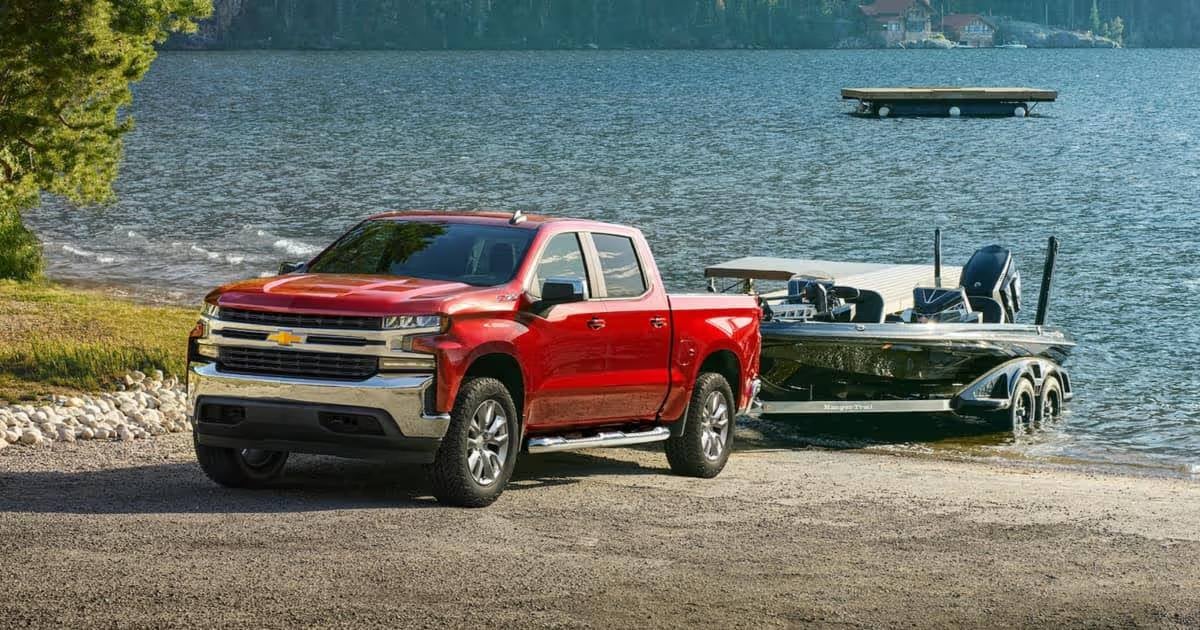
red chevy silverado 1500 towing boat of water on boat ramp

2WD vs. 4WD Truck for Boat Ramps: Which Do You Actually Need?

Plenty of boaters assume a big tow rating settles the drivetrain question. It doesn't. When you're deciding between a 2WD vs 4WD truck for boat ramps, what counts is getting a loaded trailer back up a wet incline. At Turan-Foley Chevrolet in Gulfport, we talk with boaters about this often, and the answer depends on your ramp, your boat and your tires. 2WD vs. 4WD Truck for Boat Ramps: The Short Answer A properly equipped 2WD truck can tow a boat on normal roads with no trouble. It can also launch and retrieve on many firm, well-maintained, paved ramps with manageable slopes. For plenty of buyers, 2WD is the right call. 4WD adds traction when the rear tires can't find enough grip. That matters most on wet, algae-covered, or steep ramps, and with heavier boats. It improves your chances of a controlled retrieval, but it can't guarantee one. Pick a truck for the toughest ramp conditions you reasonably expect, because a dry day at your usual ramp tells you little. Towing capacity is one question and ramp traction is another. The truck needs a rating that covers the whole load, and then it has to keep its grip while pulling that load uphill. Why Tow Rating Alone Doesn't Predict Ramp Performance A tow rating describes towing capability under specified conditions. It doesn't tell you how a truck will pull a boat off wet concrete. Ramp slope, surface condition, and tire grip all play a part, and so does how smoothly you apply power. Add up the loaded boat and trailer, including fuel, gear, and supplies. Then compare that to the truck's payload, hitch limits, and combined-weight ratings. A higher-capacity truck isn't automatically the better ramp vehicle if its driven tires have poor traction. Rear-Wheel Traction and Tongue Weight In a 2WD pickup, the rear tires must pull the truck and trailer uphill. Their grip depends partly on how much weight presses them onto the surface. Tongue weight is the downward force the trailer tongue puts on the hitch, and it adds load over the rear axle. That helps, but only to a point. A trailer on a slick incline can still overpower rear tires. For conventional trailers, Chevrolet's general recommendation is 10% to 15% of loaded trailer weight. Boat trailers can fall outside that range, so follow your trailer owner's manual. Loads placed too far forward or back can cause sway. Don't shift your boat or trailer load just to squeeze out more rear grip. Extra bed weight won't replace good tires or a sound truck-and-trailer match, and any ballast counts toward your load limits. Tires, Locking Differentials and Other Traction Factors Grip comes from tread, rubber compound, tire condition, and inflation pressure. A tire that looks aggressive isn't necessarily best on wet concrete. A locking differential lets both rear wheels receive power when one is slipping. Chevrolet offers an available Automatic Locking Rear Differential on Colorado and Silverado 1500. It sends maximum drive power to the wheel with grip in low-speed situations when rear-wheel slippage occurs. It doesn't turn 2WD into 4WD, though, because the front wheels still can't push. Traction control helps manage wheelspin, but check your owner's manual for how it works with differential features and drive modes. Gentle throttle matters too. Extra power does nothing when the tires are already spinning. When a 2WD Silverado or Colorado Makes Sense A 2WD Silverado 1500 or Colorado is a practical choice if you mostly use paved, maintained ramps with predictable traction. Good tires, the right rear-axle equipment, and careful driving can make 2WD plenty capable without the added cost and mechanical complexity of 4WD. Ask how often you launch, whether your favorite ramps stay usable at different water levels, and whether you have reliable alternatives. A ramp that worked last month doesn't guarantee grip after rain, sediment buildup, or a change in water level. For towing, a 2026 Silverado 1500 Double Cab with a standard bed and 2WD is rated for up to 9,300 lbs. with the TurboMax or Duramax 3.0L, and up to 9,700 lbs. with the 5.3L V8. A 2WD Colorado tows up to 7,700 lbs. with the Advanced Trailering Package, or 3,500 lbs. without it. Both are more than enough for most center consoles and bay boats. On the ramp, though, traction equipment matters more: Truck Drivetrain Ramp-relevant traction equipment Silverado 1500 2WD or 4WD Available Automatic Locking Rear Differential Colorado WT, Custom, LT 2WD or 4WD Available Automatic Locking Rear Differential Silverado LT Trail Boss 4WD Autotrac two-speed transfer case, automatic locking rear differential Silverado ZR2 4WD Front and rear electronic locking differentials, 33-inch Goodyear Wrangler Territory MT tires These figures apply to the configurations named, so confirm the exact truck's ratings on its driver-door Trailering Information Label. The Colorado is offered in 2WD on the WT, Custom and LT trims, all of which come with all-season tires. That's worth weighing for ramp use, since tire choice affects grip on wet concrete as much as the drivetrain does. When Gulf Coast Boaters May Appreciate a 4WD Truck for Boat Towing A 4WD truck for boat towing makes the most sense when you keep running into uncertain traction. Owning a boat alone doesn't justify it. If you use several ramps or launch in changing weather and water, those extra driven wheels may be worth more to you than to someone using one well-kept facility. Think of 4WD as added flexibility. It won't make an unsafe ramp safe. Where fitted, low range, called 4-Lo, uses the transfer case to gear the truck down for slow, controlled movement under load. The transfer case is the gearbox that splits power between the axles and offers those ranges. Low range doesn't create tire grip or raise your published towing limits. Part-time 4WD systems can bind on high-traction pavement, so use the right mode for the surface. If you'd like to feel the difference, schedule a test drive and ask us about the available systems. Wet, Algae-Covered, Sandy and Steep Ramps Water, algae, and loose sediment can reduce grip so much that a truck able to tow the load on the road struggles during retrieval. Steeper ramps raise the pulling force needed, which exposes traction limits. Power to all four wheels helps when the front tires hold grip that the rears lack. Chevrolet's boat-launch guidance says to select 4WD High or Automatic 4WD if equipped. It also says not to back onto a launch if you're unsure the vehicle can maintain traction. Ramps can be especially slippery at low tide, when a section that was submerged at high tide is exposed. Know the limits. 4WD helps going forward, and it does nothing extra for braking or steering. It also doesn't let a truck exceed its tow rating. If the surface looks unsafe, wait or use another ramp. Launch Scenarios Near Gulfport, Biloxi and Nearby Coastal Ramps Boaters we talk to in Gulfport launch from a mix of places. Within an hour, Biloxi public launches include Hiller Park off Pass Road, the Kuhn Street ramp at U.S. Highway 90, and the Forrest Avenue and Lee Street ramps on the Back Bay of Biloxi. Others include Parkers Creek, Popp's Ferry Causeway Park on the Tchoutacabouffa River, and the Small Craft Harbor public ramp. We're not describing surface conditions at any of them, and you shouldn't assume them either. Anywhere on the Mississippi Gulf Coast you might run into tides, algae, sand, or summer storms. Check weather and tides before leaving home. On arrival, look for slime, sand, damaged pavement, and whether the usable ramp is too short. Base your drivetrain choice on what you actually see. How to Improve Ramp Traction in a 2WD Truck If you're staying with a 2WD truck for boat ramps, you have real options. Tires: Keep good tread and the manufacturer's recommended pressure, including on the trailer. Don't assume lowering pressure is appropriate for a loaded road truck. Differential: Ask about the available Automatic Locking Rear Differential. Loading: Follow the trailer manual for tongue weight. Secure and count any ballast against payload and axle limits. Driving: Use smooth, progressive throttle. Stop repeated wheelspin instead of digging in. Ramp Technique Technique matters just as much. Chock the wheels and set the parking brake per the manufacturer's procedure. Back down slowly and avoid driving into deep water. If your truck has 4WD, engage 4WD or 4-Lo before the wheels slip. Chevrolet's launch procedure has passengers exit before you back onto the slope, with the windows lowered. On a slippery surface, the driver stays in the vehicle with the brake applied. Keep people out of the trailer's path, because parts of it may be underwater and unseen. For retrieval, Chevrolet's sequence is to hold the brake, start the engine, shift into gear, release the parking brake, and ease off the brake. Drive slowly until the tires clear the chocks, stop while a helper removes them, then pull the trailer slowly from the water. Have a recovery plan, and treat traction aids as limited measures. Saltwater Maintenance Saltwater and brackish water are hard on trucks. Rinse the underbody after each trip, and have brakes and bearings checked. Our service department can inspect tires and drivetrain parts, and you can use the service scheduler to book a visit. Choosing the Best Truck for Boat Ramps on the Mississippi Gulf Coast The best truck for boat ramps on the Mississippi Gulf Coast starts with the loaded boat-and-trailer weight. Then verify towing capacity, payload, hitch ratings, and axle limits for the exact truck. Compare tires, differential equipment, and available 4WD modes along with the badge. Moving up to a larger truck won't automatically fix a traction problem, and a smaller one can be exactly right. Use this checklist to focus your decision: Boat weight: Is the loaded boat and trailer well within the truck's ratings? Ramp type: Do you expect steep, loose, or slick ramps, or mostly paved and maintained ones? Launch frequency: Do you use one familiar ramp or several in changing conditions? Saltwater exposure: Are you ready for regular rinsing and corrosion care? Cost of ownership deserves a candid look. 4WD usually carries a higher purchase premium and can affect fuel economy. It also adds transfer case and front axle maintenance. Both 2WD and 4WD need rinsing and corrosion care after saltwater use. Compare the actual configurations rather than assuming every 2WD truck has the same advantage. If you're budgeting, explore used trucks or financing options. Compare 2WD and 4WD Chevy Trucks at Turan-Foley Chevrolet The 2WD vs 4WD truck for boat ramps decision gets easier with the real truck in front of you. Bring your boat and trailer's loaded weight, expected tongue weight, passenger count, and typical cargo. Tell us which ramps you use, and we'll go through Silverado 1500 and Colorado configurations, including differential features, trailering equipment, and low-range 4WD. We'll also tell you honestly when 2WD trucks fit best. Talk With Our Sales Team Call our sales team at 228-604-8836 or use our contact form, and bring your boat and trailer details so we can match the right drivetrain to your favorite ramps. You'll find us at 11123 Hwy 49 N in Gulfport.

2027 chevy colorado towing a boat

Can a Chevy Colorado Tow a 20- to 24-Foot Center Console Boat?

Plenty of Gulf Coast boaters ask us the same thing: can a Chevy Colorado tow a boat in the 20- to 24-foot center console range? The honest answer hinges on the truck and the loaded trailer, since the boat's length alone doesn't settle it. The Chevy Colorado towing capacity tops out at 7,700 lbs. on eligible 2026 configurations, and many center consoles sit right near that number. Here at Turan-Foley Chevrolet in Gulfport, we help boat owners run these numbers every week. You can browse new Colorado trucks as you read, then use the steps below to see where your boat lands. Can a Chevy Colorado Tow a 20- to 24-Foot Center Console? The Short Answer It depends on the boat and the truck. A properly equipped Colorado can handle some center consoles in this size range, but not every one, and not every Colorado. Once you add outboards, fuel, gear and a trailer, many 20- to 24-foot center consoles will land at or near the Colorado's limit. Some will exceed it. A lighter boat and trailer may fit comfortably, while a heavier boat of the same length may call for a more capable truck. What decides it is the fully loaded boat-and-trailer weight and the limits of the specific truck. Trailering technology makes hookup and towing easier, yet no certified weight limit goes up because of it. Chevy Colorado Towing Capacity: What the 7,700-Lb. Maximum Really Means If you're asking how much a Chevy Colorado can tow, 7,700 lbs. is the number you'll see. It's the max available towing for 2026, and it applies only to eligible configurations. Treat it as a ceiling that some trucks reach and others don't. The engine and drivetrain shape the rating, and so does the factory trailering equipment. A higher trim or extra horsepower won't necessarily get you a higher tow rating. The 2.7L TurboMax® makes 310 horsepower and 430 lb.-ft. of torque, yet the ratings below still vary. Configuration Engine Drivetrain Trailering Package or equipment condition Max trailer weight GCWR Crew Cab 2.7L TurboMax®, 3.42 axle ratio Not specified Without the Trailering Package 3,500 lbs. 9,100 lbs. Crew Cab 2.7L TurboMax®, 3.42 axle ratio 2WD With the Trailering Package 7,700 lbs. 13,250 lbs. Crew Cab 2.7L TurboMax®, 3.42 axle ratio 4WD With the Trailering Package and limited-slip differential 7,700 lbs. 13,250 lbs. ZR2 2.7L TurboMax®, 3.42 axle ratio 4WD Rated separately; not eligible for the 7,700-lb. rating 6,000 lbs. 11,600 lbs. That 7,700-lb. maximum requires the Advanced Trailering Package, sometimes called simply the Trailering Package, so check the window sticker or equipment list to confirm your truck has it. Max Available Towing vs. Your Truck's Actual Rating Max available towing describes a qualifying truck equipped to Chevrolet's requirements. Your truck has to match those requirements before that number applies. The table shows why: the ZR2 carries a 6,000-lb. rating, lower than the 7,700-lb. maximum, even with the same engine. Here's how that plays out by trim. The Advanced Trailering Package is optional on the WT, Custom and LT and standard on the Trail Boss and Z71, so all five can reach the 7,700-lb. rating when equipped. The ZR2 is the exception at 6,000 lbs. Ratings are comparison figures. The max trailer rating assumes base curb weight plus 150 lbs. each for the driver and a front passenger. Extra passengers, equipment, and cargo reduce it. A receiver hitch or aftermarket gear won't raise the manufacturer's rating either. Where to Confirm the Tow Rating on a Specific Colorado Start with the Trailering section of the Owner's Manual and the ratings Chevrolet publishes for your exact configuration. For a Colorado, the manual is the place to find the trailer rating. Ratings vary by model year, engine, drivetrain, and equipment, so a Colorado from one year can't stand in for another. Your VIN and the truck's equipment records show which trailering features were actually installed. Our sales team can walk through that paperwork with you, so contact us before you commit to a truck. Chevrolet says the sure way to check is to weigh the vehicle and trailer fully loaded for the trip. How to Calculate Your Loaded Boat Weight Base your decision on the complete, ready-to-travel combination rather than the hull weight in a brochure. Build an estimate from documented component weights, then confirm it on a scale when you can. A few terms help: Max towing is the heaviest trailer a properly equipped truck is rated to pull. Payload covers whatever the truck carries: people, cargo, and tongue weight. GVWR is the most the loaded truck itself can weigh. GCWR is the maximum weight of the loaded vehicle and loaded trailer combined, including driver, passengers, fuel, optional equipment, and cargo in both. Gross trailer weight is the weight of the loaded trailer. Tongue weight is the downward force the trailer puts on the hitch. The combination must stay within GCWR, GVWR, RGAWR, and the trailer weight rating, all at once. Dry Weight vs. Actual Tow Weight Dry weight is a starting point. The manufacturer of the Sportsman Open 232 Center Console, a 23' 4" boat, lists an approximate dry weight of 3,950 lbs. and says that excludes engine weight, fuel, water, gear, and batteries. The model is offered with different engine packages. That's one boat, and it doesn't represent the whole 20- to 24-foot category. Always confirm what a published weight includes before adding anything. Actual tow weight is the trailer plus everything aboard as you travel. Weigh it in the condition you normally haul it, especially if you're close to a limit. What Adds Up: Trailer, Outboards, Fuel, Batteries, and Gear Use this "tow weight calculator" checklist at the kitchen table: Boat dry weight, from the manufacturer's spec sheet, noting what it excludes. Trailer empty weight, from the trailer spec sheet or its label. Outboard engine or engines, if not included in the boat's published weight. Fuel carried during transport, not an assumed empty tank. Batteries, anchors, electronics, and safety equipment. Water in livewells or freshwater tanks. Coolers, tackle, and other gear. The example below uses made-up numbers for illustration only. Say a boat lists 3,950 lbs. dry. Add 600 lbs. for an outboard, 300 lbs. for fuel, 100 lbs. for batteries, 300 lbs. for gear, and 1,500 lbs. for the trailer. That's an estimated 6,750 lbs. tow weight. Compare that to the truck's rating. Against a 7,700-lb. rating, it leaves some room. Against the ZR2's 6,000-lb. rating, it's over the limit. These figures are not real weights for any specific boat or trailer. How Passengers and Cargo in the Truck Reduce Tow Capacity Trailer weight covers just part of the picture. Passengers, bed cargo, accessories, and tongue weight all use the truck's payload. They also eat into the GCWR allowance, which can reduce how much loaded trailer the combination can handle. As a general guideline, tongue weight runs about 10 to 15 percent of trailer weight. In our illustrative 6,750-lb. example, that's roughly 675 to 1,013 lbs. landing on the truck's payload before anyone climbs in. For perspective, a 2026 Colorado WT 2WD carries up to 1,710 lbs. of payload, so a heavy tongue load could use more than half of it, leaving less room for passengers, coolers and gear in the cab and bed. Confirm the right tongue-weight range in the Owner's Manual and with the trailer manufacturer. Why Two 20- to 24-Foot Center Consoles Can Have Very Different Towing Needs Length tells you little. Hull construction and beam can produce very different weights in the same length range, and so can installed equipment. Engine setup is a big swing factor. Yamaha's 22-foot 222 FSH Sport uses a twin-engine setup, which shows how powertrains vary within this category. Fuel capacity changes travel weight without changing dimensions. The trailer matters too, since its material and brakes affect weight and towing requirements, as does the axle configuration. Permanent accessories and routinely carried gear add up as well. That's why we compare complete boat-and-trailer packages one at a time. A Colorado that suits one center console tells you nothing about another of equal length. Trailering Features That Help Gulf Coast Boat Owners Available trailering equipment supports hookup, pre-departure checks, and vehicle control, though availability depends on equipment, trim, and package. None of it raises a weight rating. Gulf Coast use adds its own wrinkles. Wet, sandy launches and saltwater exposure are hard on brakes and bearings, and humidity wears on the lights. Rinse the trailer after saltwater trips and check brakes and bearings regularly. Our service department can inspect your hitch and trailer connections. Trailer brakes are required above 1,500 lbs. of trailer weight on this model, and requirements vary by state. Secure your cargo and distribute trailer weight properly for stable towing. Watch for these red flags: Trailer sag. Rear squat on the truck. Sway. Poor braking. Tow/Haul Mode and the Trailering App Tow/Haul mode is available and optimizes performance when towing or hauling a heavy load. It adjusts the automatic transmission's shift schedule to reduce gear hunting. It doesn't authorize exceeding any rating. The Trailering App is also available, and functions vary by equipment and trim. Depending on equipment, it supports trailer profiles, route planning, pre-departure checklists, and trailer tire-pressure monitoring. Its boat tab offers boat-related checklists and launch tutorials. Use it alongside a physical walk-around of the coupler, chains, lights, tires, and brakes. Hitch Guidance With Hitch View Hitch Guidance is available and shows a guiding line on the Rear Vision Camera screen that moves as you steer. That helps you line up the truck with the coupler while backing up. Hitch View gives you a close-up, top-down look at the hitch. Some camera views require an available accessory camera and installation, and may not suit all trailers. Chevrolet lists Hitch View as standard on Colorado. Whatever the screen shows, physically confirm coupler engagement, locking hardware, chains, and electrical connections before you leave. Choosing the Right Colorado Configuration for Boat Towing in Gulfport and Biloxi If you want a midsize truck for towing a boat, work backward. Start with your loaded boat-and-trailer weight and expected truck payload, then pick a configuration that handles both. Compare verified ratings and ignore trim names. An off-road-oriented truck isn't automatically the strongest tow vehicle, as the ZR2's 6,000-lb. rating shows. Four-wheel drive can help with traction on wet ramps around Biloxi and the Mississippi Gulf Coast, though the tow rating stays where it is. Confirm factory-trailering equipment and trailer-brake compatibility, since boat trailers may use different brake systems. Leave headroom. Staying below rated limits with a margin beats living at the limit, because supplies and passengers change from trip to trip. If your loaded combination exceeds a Colorado limit, you need a more capable truck, and accessories won't close the gap. Shopping used? Check the exact model year, engine, drivetrain, and installed equipment, since earlier generations differ. You can search used trucks, schedule a test drive, or look at financing options. A test drive shows visibility and comfort, but an unloaded drive doesn't prove towing suitability. Shop Colorado Trucks at Turan-Foley Chevrolet and Confirm Your Tow Rating Before you buy, know your numbers. The Chevy Colorado towing capacity that matters is the one for the exact truck you're considering, checked against its Owner's Manual and Chevrolet's published ratings for that configuration. This guide is informational and not a safety guarantee. Bring This to the Dealership Boat make and model. Motor. Trailer spec sheet. Typical load. Next Steps Shop new Colorado trucks at Turan-Foley Chevrolet, then call our sales team at 228-604-8836 or use our online contact form, and our advisors will help confirm the exact truck's tow rating before you commit. You'll find us at 11123 Hwy 49 N in Gulfport. We're open Monday through Friday from 8 a.m. to 7 p.m. and Saturday from 8 a.m. to 6 p.m. For hitch and trailer inspections, call our service department at 228-206-0327.