




Blog / Silverado 1500

Choosing the Perfect Chevrolet for Business Owners Along the Gulf Coast

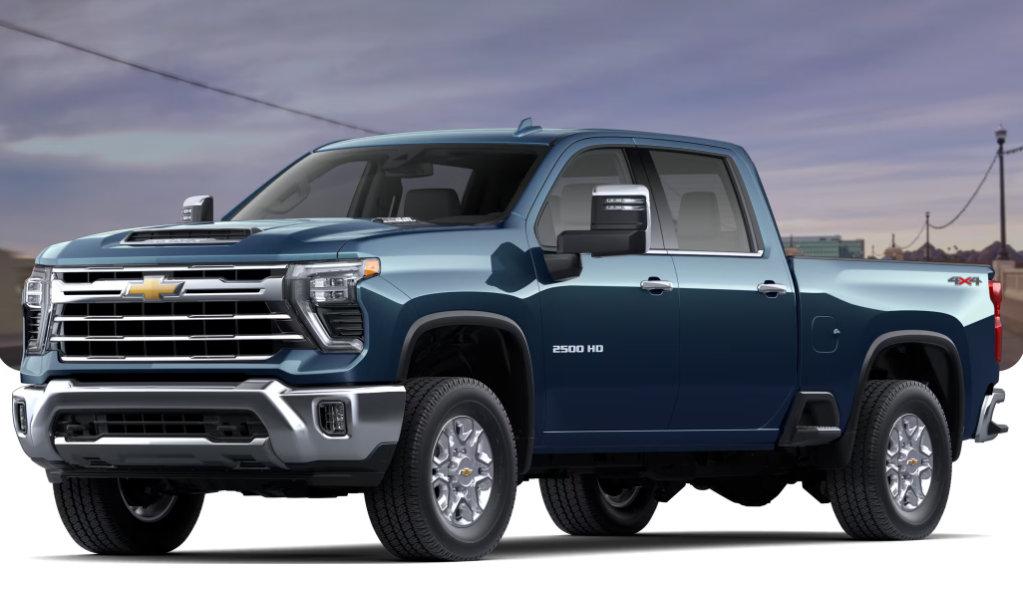
Silverado HD in dark blue

As a business owner in Gulfport, Mississippi, you'll need at least one vehicle for professional use. Depending on your business, you may require a tough truck for job sites, a sophisticated SUV to get to client meetings, or a spacious van to provide mobile services or haul and organize equipment. Regardless of which you choose, you need a fuel-efficient, durable vehicle that'll make the most out of your money and survive frequent use in the Gulf Coast's high heat, humidity, and salty coastal air.

At Turan-Foley Chevrolet, we carry a wide variety of dependable Chevrolet vehicles; we're bound to have something suitable for your business. So, which Chevy vehicle is best for business owners along the Gulf Coast? We'll compare some of the most popular Chevrolet commercial vehicles to help you make an informed decision.

Chevrolet Silverado

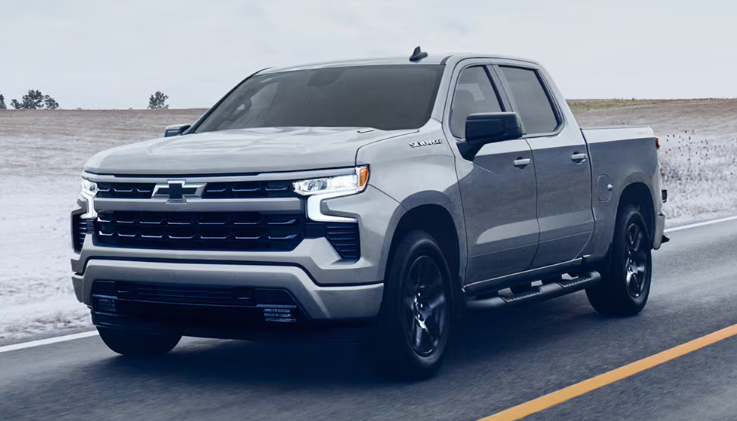
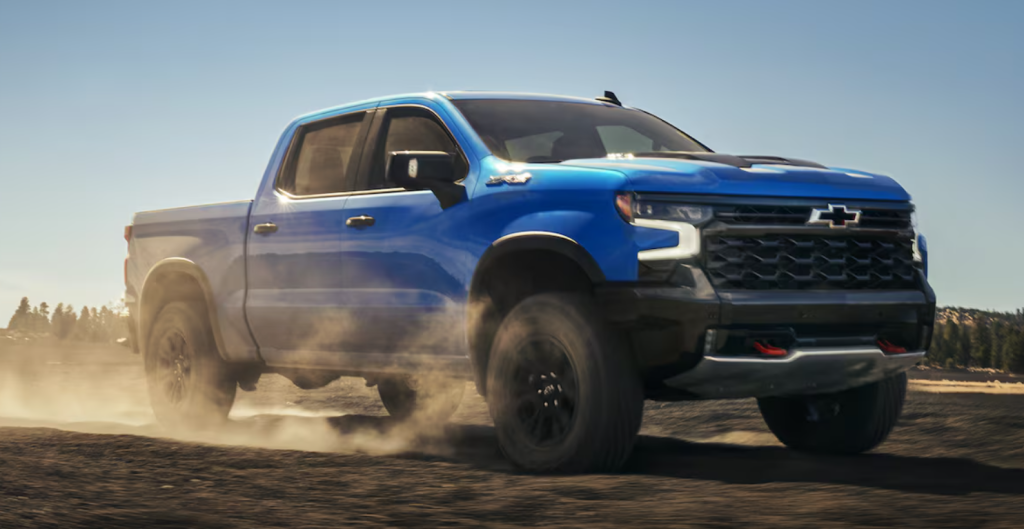
Silverado is the family name for Chevrolet's most popular range of full-size pickups. The light-duty Silverado 1500 balances strong performance with impressive handling capabilities. If you're looking for a vehicle for work and play, the Silverado 1500 could be the ideal choice. The range features multiple gas-powered models, including the off-road-ready Silverado ZR2 and the all-electric Silverado EV. If you need more towing power, you may want to consider investing in a Silverado 2500 HD or Silverado 3500 HD.

Heavy-Duty Towing and Payload Capacities

The Silverado 1500's towing capacity ranges from 8,900 pounds to 13,300 pounds, depending on the model, engine, and selected package. The payload ratings vary as well, starting at 1,440 pounds and maxing out at 2,260 pounds when configured with the regular cab, long bed, two-wheel drive, and TurboMax engine.

If your business requires you to move more than the Silverado 1500 can handle, check out the Silverado HD line. The Silverado 2500 HD's towing capacity goes up to a maximum of 22,070 pounds, and its max payload tops out at 4,200 pounds. The Silverado 3500 HD gets a power boost if equipped with the available Duramax 6.6-liter turbo-diesel V-8, which increases its potential towing power to 36,000 pounds and lets it haul up to 7,442 pounds.

Advanced Technology for Efficiency and Safety

Chevrolet puts all the technology you need at your fingertips. An available 13.4-inch touch-screen display wirelessly integrates with Apple CarPlay and Android Auto, so you can easily access your business contacts and turn-by-turn navigation to get to client meetings on time. Chevy Safety Assist acts like your copilot with leading driver-assistance features that include automatic emergency braking, forward collision warning, rear cross-traffic alert, blind-spot monitoring, lane departure warning, and lane-keep assist.

Chevrolet Colorado

If you don't need all the power of a Silverado but still need to haul and tow equipment, the midsize Colorado pickup may be a better choice. Its smaller size makes it easier to move through Gulfport traffic and maneuver into parking spaces.

Compact Size With Big Capabilities

The Colorado may seem small when you compare it to the Silverado, but don't underestimate this pickup. Its maximum towing capacity of 7,700 pounds is among the best in its segment, and its 2.7-liter four-cylinder engine, used across the lineup, delivers 310 horsepower and 430 lb-ft of torque.

Adaptable Options for Business Requirements

All Colorado models are four-door crew cabs with 5-foot beds, the same engine, and four-wheel drive, but there are still plenty of opportunities to customize this ride with available packages, such as the Advanced Trailering or ZR2 Bison packages. The Colorado comes in five different trims, from the entry-level WT to the impressive, off-road-loving ZR2. Choose the available technology package to add adaptive cruise control and a surround-view camera system to your Colorado for safer driving.

Chevrolet Tahoe

If you want a business vehicle that projects a more sophisticated image, the Chevrolet Tahoe has you covered. This full-size SUV projects an air of confidence and excels at inner-city driving, so it's the perfect choice if you're seeking a practical, poised vehicle.

Interior Capacity for Passengers and Cargo

If you find yourself regularly transporting your employees or clients, you'll appreciate the Tahoe's spacious cabin. There's ample space for eight people across its three rows of seats, or you can opt for a pair of ergonomic captain's chairs in the second row to seat seven people. There's 26 cubic feet of cargo space behind the rearmost row, but for those times when you need to haul equipment instead of carry passengers, you can fold down all the rear seats to increase that space to a whopping 123 cubic feet.

Technology Features for a Modern Business Environment

With the Tahoe, you get standard tech features that many automakers charge extra for. The enormous 17.7-inch standard infotainment touch screen allows you to easily navigate the Tahoe's included apps and the features of Apple CarPlay or Android Auto. With a Wi-Fi hotspot and wireless charging pad included, you can always stay connected to the office.

Chevrolet Express Cargo Van

A cargo van is a classic choice if you need to carry a lot of tools or equipment, or your business provides a mobile service. Chevrolet's Express Cargo Van is a full-size option that won't let you down.

Versatile Storage Solutions and Accessibility

Chevrolet offers versatile storage solutions, including shelving, drawers, and partitions to separate your cargo from the front cabin. Outfit it however you'd like to make running your business efficient. Rear swing-out doors and hinged cargo doors are both standard, but you can add a sliding side cargo door to make your Express more accessible.

Suitable for Different Business Models

Think of the Chevrolet Express as a blank canvas for your business. Aside from the obvious use as a tool-hauler for contractors, such as plumbers or electricians, the Express could become a food truck, mobile salon, delivery vehicle, or anything else you can imagine.

Test Drive Work-Ready Chevrolet Models at Turan-Foley Chevrolet

These are just some of the Chevrolet commercial vehicles you might consider for your Gulfport business. To see these vehicles and other popular new Chevrolet models, come visit us at Turan-Foley Chevrolet. Our team can provide personalized recommendations, value your trade-in, and organize test drives so you can compare the vehicles' features and performance. We understand the demands of running a local business, so you can apply for financing online to save time at our dealership.
Posted in:

Related Posts

red chevy silverado 1500

Can a Chevy Silverado 1500 Pull a Camper?

If you're planning weekend trips to the Gulf Coast or longer hauls out of state, you want a straight answer before you shop. A Chevy Silverado 1500 can pull a camper, and depending on how it's built, it can pull a big one. The catch is that "Silverado 1500" isn't one truck with one number. It's a lineup of engines, cabs, beds, and drivetrains, each with its own towing math. Before you commit to a camper, browse available Silverado 1500 trucks or schedule a test drive so you can see how a specific configuration feels with real cargo in the bed. What Size Camper Can a Silverado 1500 Actually Handle? A base engine with no towing equipment handles a small pop-up fine. Add the right engine, drivetrain, and towing package, and the same truck can handle a fifth wheel that would overwhelm a lesser setup. Matching camper size to your Silverado 1500 comes down to lining up your actual trailer weight with the truck sitting in your driveway, not the biggest number printed on a window sticker. 2026 Silverado 1500 Max Towing: Up to 13,300 Lbs When Properly Equipped Every 2026 Silverado 1500 tows at least 8,700 lbs, with an available maximum of 13,300 lbs, according to Chevrolet. That top figure is real, but it belongs to one specific build, not the lineup as a whole. Silverado 1500 diesel towing capacity and Silverado 1500 V8 towing capacity numbers move around quite a bit depending on how the truck is optioned, so treat any single "2026 Silverado towing capacity chart" you see online as a starting point for research. Your particular truck's number could look very different. The Rating Explained: Double Cab, 2WD, Duramax 3.0L I-6 Diesel, Max Trailering Package, 20-Inch Wheels The 13,300-lb figure is tied to a Double Cab, Standard Bed model with the 3.0L I-6 Duramax engine, 2WD, the NHT RPO code (which is the Max Trailering Package), and 20-inch wheels. Swap the cab for a Crew Cab Short Bed with the same engine and package, and the max towing capacity drops slightly to around 13,200 lbs. Skip the Max Trailering Package entirely, and most configurations land closer to 9,000 to 9,700 lbs, which is a meaningful gap if you're shopping for a heavier trailer. Why Engine, Cab, Bed, and Drivetrain All Change Your Number Every piece of the truck's build plays a role in its final towing capacity. A longer cab adds weight the truck has to carry, a 4WD system distributes power differently than 2WD, and the engine determines how much torque is available to get a loaded trailer moving and stopped. Here's how the engines compare on Chevrolet's published ratings: Engine Horsepower / Torque Max Conventional Towing Best Use Case 2.7L TurboMax 310 hp / 430 lb-ft Up to 9,500 lbs Pop-ups, small campers, boats, utility trailers 5.3L V8 355 hp / 383 lb-ft Up to 11,300 lbs Mid-size and larger travel trailers 6.2L V8 420 hp / 460 lb-ft Up to 13,200 lbs Heavy travel trailers, enclosed trailers Duramax 3.0L I-6 305 hp / 495 lb-ft Up to 13,300 lbs Heaviest trailers, longest hauls Each figure is a maximum for a properly equipped truck, so the drivetrain, cab, bed, and trailering package on your build all move it. Payload is a separate limit and shifts more than towing does across configurations, so confirm it against the door-jamb label for your exact truck. Dry Weight vs. Loaded Weight: Why Camper Shopping by Brochure Numbers Fails Camper brochures love to advertise "dry weight," also called UVW, which is the weight of the trailer as it left the factory. That number excludes cargo, fresh water, propane, passengers, and any dealer-installed options. A camper listed at 5,000 lbs dry can easily weigh 6,500 lbs or more once it's loaded for a trip to Ship Island or a weekend at a Gulf Coast state park. The number you actually need to compare against your truck's rating is the trailer's GVWR, since it accounts for everything the trailer can carry when fully loaded, unlike the dry weight printed on the spec sheet. Tongue Weight and Its Impact on What You Can Actually Tow Tongue weight is the downward force the trailer puts on your hitch, and it matters more than most buyers realize. For a conventional trailer, tongue weight typically runs 10 to 15 percent of the loaded trailer weight, while gooseneck and fifth-wheel kingpin weight runs higher, around 15 to 25 percent. Too little tongue weight causes sway on the highway; too much overloads the rear axle. Tongue weight limits for the Silverado 1500 are listed on the door-jamb sticker, and staying within them keeps handling predictable, even on windy Gulf Coast bridges. Payload, Passengers, and Cargo: The Overlooked Towing Limiters Towing capacity gets all the attention, but payload capacity limits you just as much. It has to cover passengers, cargo, and tongue weight together. Say your truck's payload is rated at 2,000 lbs and your loaded trailer's tongue weight is 800 lbs. That leaves only 1,200 lbs for passengers and whatever else is riding in the cab or bed. Run out of payload before you run out of towing capacity, and you're still overloaded. If this math is getting confusing for your specific setup, contact our team for personalized towing advice and we'll walk through it with you. Why You Should Check Your Exact Truck's Rating, Not Just the Max Advertised Number The 13,300-lb figure gets all the headlines, but it applies to one specific build. Your truck's actual number could be several thousand pounds lower depending on engine, cab, and options, so verify your specific rating before you buy a camper. Reading the Door-Jamb Sticker and Trailering Guide The Trailering Information Label on the driver-side door jamb has the real numbers for your truck. That label lists GVWR, GCWR, rear axle weight rating, max payload, max tongue weight, and curb weight for your exact truck, not a generic average. For total certainty before a long trip, weigh the truck-and-trailer combination fully loaded at a public scale. GVWR, GCWR, and Payload vs. Towing Capacity GVWR is the maximum the truck is allowed to weigh once it's loaded, counting the truck itself plus passengers, cargo, and fluids. GCWR is a different number entirely: it covers the combined weight of the loaded truck and the trailer together. Payload is simply GVWR minus curb weight. None of these three should get ignored in favor of the single towing figure printed on a brochure. Matching Your Camper to the Right Silverado 1500 Setup Once you know your truck's real numbers, matching a camper becomes a lot more straightforward. Pick a trailer that fits comfortably within your truck's rating instead of one that pushes it to the edge. Travel Trailers, Pop-Ups, and Fifth Wheels: Weight Ranges to Expect Travel trailers under 25 feet typically run 3,000 to 6,000 lbs dry with a GVWR around 5,000 to 8,500 lbs, which fits most half-ton trucks comfortably. Trailers between 26 and 35 feet often weigh 6,000 to 10,000 lbs dry with a GVWR up to 14,000 lbs, and may push a half-ton to its limits. Pop-ups are lighter, usually 1,400 to 3,500 lbs dry. Fifth wheels vary widely: unloaded weights commonly fall between 5,000 and 16,000 lbs, and some manufacturers list averages closer to 13,000 lbs empty with an 18,000-lb average GVWR. A three-quarter-ton or one-ton truck is the realistic minimum for most fifth-wheel setups. The 80% Rule: Towing Below Max for Safety and Control A lot of experienced towers stick to 80 percent of a truck's rated towing capacity as a practical ceiling. If your Silverado is rated at 11,300 lbs, that works out to roughly 9,040 lbs (11,300 × 0.8 ≈ 9,040 lbs). This isn't a legal requirement or a Chevrolet mandate, just a margin that makes towing noticeably less stressful when you factor in sway, braking, and axle stress. Equipment That Makes Camper Towing Safer The right hitch and safety equipment matter just as much as the truck's rating. Hitch Type and Weight-Distribution Systems Hitch requirements for the Silverado 1500 depend on trailer weight, but as a general rule, any trailer over 3,500 lbs benefits from a weight-distributing hitch. These hitches spread the trailer's weight more evenly across both axles, improving handling and reducing sway compared to a standard ball hitch. Trailer Brakes, Wiring, and Sway Control Trailers with electric brakes need a compatible brake controller, and the available Max Trailering Package includes one built in, along with a higher-capacity rear axle and heavy-duty cooling and shocks. Chevrolet's Trailer Sway Control helps manage unexpected trailer movement, while the Trailering App offers pre-departure checklists and trailer light tests before you leave home. Available camera systems, including up to 14 views, Transparent Trailer view, and Hitch Guidance, are offered on trims like LT, RST, LT Trail Boss, LTZ, and High Country, and make hitching up and backing a trailer noticeably easier. Before any trip, run through a quick checklist covering tire pressure on both truck and trailer, the hitch and safety chains, the brake controller, and your mirror and camera views. It takes a few minutes and catches most problems before they start. Choosing the Right Silverado 1500 Configuration for Your Camper Start with the camper you actually plan to tow, then build the truck spec around it. That order saves headaches down the road. Best Setups for Lighter Campers and Travel Trailers For pop-ups and smaller travel trailers, the 2.7L TurboMax, rated up to 9,500 lbs towing, is often enough, and it also tends to carry the highest payload since it's a lighter engine with less curb weight. The 5.3L V8, rated up to 11,300 lbs, covers most mid-size travel trailers with room to spare under the 80% rule. Best Setups for Heavy Fifth Wheels and Large Trailers For heavy travel trailers and enclosed trailers, the 6.2L V8 or the Duramax 3.0L I-6 diesel, both rated in the 13,000-plus range, provide the torque and stability needed. Fifth wheels are a different conversation: Chevrolet's gooseneck and fifth-wheel ratings for the Silverado 1500 top out around 10,300 lbs on select 5.3L V8 configurations, well below the conventional-hitch maximums above. If a fifth wheel is in your future, look at the 2500HD. Either way, match the truck to your heaviest regular load rather than the trailer you'll only tow occasionally. Compare Silverado 1500 Towing Setups at Turan-Foley Chevrolet Buick We've served Gulfport, Biloxi, Long Beach, Bay St. Louis, Pascagoula, Ocean Springs, D'Iberville, and the surrounding Gulf Coast communities for over 50 years, and towing questions come up often, especially from folks planning trips to nearby camping spots. Our team can walk you through GVWR, payload, and tongue weight for any Silverado 1500 on our lot so you drive away with a truck that actually fits your camper. Ready to Find Your Match? Browse available Silverado 1500 trucks, get pre-approved, or contact our team for personalized towing advice, and let's find the setup that matches how you actually plan to use it. FAQ What's the difference between GVWR and GCWR? GVWR is the maximum weight allowed for the truck itself, including payload. GCWR is the maximum allowed combined weight of the truck, its payload, and the trailer together. There isn't one universal GCWR figure across the Silverado 1500 lineup, so check your door-jamb label for your specific truck. Can a half-ton truck pull a fifth wheel? It depends on the fifth wheel. Smaller, lighter fifth wheels can fall within a well-equipped half-ton's range, but larger units, especially those with a GVWR near 18,000 lbs, typically require a three-quarter-ton or one-ton truck instead. Always compare the fifth wheel's GVWR to your truck's actual rating before assuming it will work.

grey chevy silverado 1500

Can a Chevy Silverado 1500 Tow a Boat?

Boat owners along the Mississippi Gulf Coast ask us this question year-round, and for good reason. Whether you're hauling a bay boat out of Bay Saint Louis or launching at a ramp near Biloxi, you need a truck that can handle the load safely. Short answer: yes. A properly equipped Silverado 1500 can tow up to 13,300 lbs, which makes it a strong option for most boats you'll find on the Mississippi Sound. You can browse new Silverado 1500 inventory to see what's currently on the lot. Can a Chevy Silverado 1500 Tow a Boat? The Short Answer A properly equipped Silverado 1500 offers up to 13,300 lbs of max towing capacity. For most Gulf Coast boats you won't need anywhere near that, since even the base TurboMax is rated to 9,500 lbs and a loaded pontoon rig usually comes in under 4,000. That top figure belongs to one specific build, not every truck on our lot. Silverado 1500 towing capacity depends heavily on which engine you choose, your cab style, bed length, and drivetrain, plus any optional trailering equipment. Because of that variance, we tell customers the same thing every time: your exact numbers come from the labels inside your driver's door jamb, not a general spec sheet. The Tire and Loading Information label gives your payload, and the trailering section of your owner's manual gives your tow rating. Our team at Turan-Foley Chevrolet can confirm both for your specific build before you hook up a trailer. What Determines Your Silverado 1500's Real Boat-Towing Capacity Chevrolet Silverado towing capacity isn't a single fixed number. It shifts based on engine choice, trailering equipment, payload capacity, and how weight is distributed across the hitch. Understanding these factors helps you figure out how much towing capacity you actually need for a boat, rather than just going by the headline max figure. Engine and Trailering Package Options The Silverado 1500 lineup includes four engine choices. The 2.7L TurboMax makes 310 hp and 430 lb-ft, the 5.3L EcoTec3 V8 makes 355 hp and 383 lb-ft, the 6.2L EcoTec3 V8 makes 420 hp and 460 lb-ft, and the 3.0L Duramax Turbo-Diesel makes 305 hp and 495 lb-ft. Towing follows a similar order: up to 9,500 lbs with the TurboMax, 11,300 with the 5.3L, 13,200 with the 6.2L, and 13,300 with the Duramax, each properly equipped. Adding the Max Trailering Package (RPO NHT) brings an integrated trailer brake controller, heavy-duty cooling and shocks, and a higher-capacity rear axle. These upgrades matter if you're pulling a heavier fishing boat regularly or a full-size pontoon rig. Payload Capacity, Tongue Weight, and Braking Payload capacity works alongside towing capacity, and the two aren't interchangeable. Max available payload on the Silverado 1500 is 2,260 lbs, which needs to cover passengers, gear, and tongue weight all at once. Tongue weight typically runs 10 to 15 percent of total trailer weight, and exceeding your payload limit can hurt handling even if you're under your towing max. Braking matters too. Mississippi requires service brakes on trailers, with a narrow exception for two-axle trailers under 2,000 lbs GVW towed behind a passenger automobile, so plan on working brakes for any loaded boat trailer. The Silverado's available integrated trailer brake controller ties into the ABS and StabiliTrak systems for smoother stops on models so equipped. Matching Common Gulf Coast Boats to the Right Silverado Setup Different boats call for different truck setups, and matching the two correctly keeps you well within your GCWR (Gross Combination Weight Rating) and hitch rating limits. Here's how common Gulf Coast boats generally stack up against Silverado configurations, though you'll still want to confirm your own numbers before towing. Fishing and Bay Boats Fishing and bay boats popular for Gulf fishing trips out of Gulfport and Ocean Springs vary widely in weight. Smaller skiffs run 300 to 1,000 lbs, while an average fishing boat lands around 3,000 lbs as a general estimate, with larger rigged boats climbing to 4,000 to 6,000 lbs. Compare your specific boat's weight against your truck's rated capacity rather than assuming any single engine automatically covers it. Pontoon Boats Pontoon boats tend to run heavier than they look. Dry weights typically fall between 2,000 and 2,500 lbs, and once you add a trailer around 1,200 lbs plus fuel and gear, total towed weight often reaches close to 3,700 lbs. A rough rule of thumb puts pontoon weight at 100 to 120 lbs per foot of length, a useful starting point when estimating your own boat. Small Recreational Boats and Personal Watercraft Jet skis and personal watercraft weigh far less, generally 300 to 950 lbs for the craft itself, with trailers adding another 170 to 1,200 lbs depending on style. These lighter loads are usually well within reach of any Silverado 1500 configuration, but it's still worth checking total combined weight if you're hauling multiple watercraft on one trailer. Calculating Your Boat's True Towing Weight Knowing your boat's dry weight isn't enough. Total towed weight includes the trailer, fuel, water, gear, and passengers riding along, and skipping this step is one of the most common mistakes boat owners make when matching a truck to a trailer. Boat, Trailer, Fuel, and Water Weight Start with your boat's weight, then add trailer weight, which can range anywhere from 100 to 4,400 lbs depending on trailer type and size. Fuel adds up quickly too. Thirty gallons of gasoline weighs roughly 185 lbs, and a 20-gallon freshwater tank adds about 167 lbs. These numbers stack fast on a full tank before you've even loaded gear. Gear, Coolers, Batteries, and Passengers Coolers, batteries, tackle, and safety gear all add weight beyond the boat and trailer themselves. Passengers count too, averaging around 195 lbs each. The full formula looks like this: boat weight plus trailer weight plus fuel plus gear plus passengers equals your total towed weight. Run that number against your Silverado's rated towing capacity and GCWR before you head to the ramp. If you're weighing financing options while you shop for the right configuration, you can get pre-approved for financing through our team, or explore used Silverado 1500 inventory if a pre-owned truck fits your budget better. Gulf Coast Considerations: Ramps, Saltwater, and Launch Conditions Towing along the Mississippi Gulf Coast comes with its own quirks. Boat ramps near the coastal towns here often involve steep approaches or soft sand, which puts extra demand on braking and traction systems. Saltwater exposure is another factor worth planning for, since trailers and hitches near the coast face more corrosion risk than inland setups. Chevrolet backs the Silverado 1500 with general rust coverage for 3 years or 36,000 miles, plus rust-through coverage extending to 100,000 miles or 6 years. That kind of coverage gives real peace of mind if you're launching regularly in saltwater conditions. A few quick boat towing tips for Gulf Coast conditions: set up and test your trailer brake controller before you leave the driveway, not at the ramp. Consider a weight-distribution hitch for pontoons and larger fishing packages to keep the truck level and steady. Run through a pre-launch check every time, covering lights, tires, hitch pins, and safety chains. And rinse hitch and trailer components after saltwater exposure to slow corrosion. Chevy Trailering Technology That Simplifies Boat Towing Towing with a Silverado 1500 gets noticeably easier thanks to the trailering technology built into the truck. Tow/Haul Mode comes standard and adjusts the transmission's shift schedule automatically to prevent gear-hunting while you're pulling a load, whether that's a light skiff or a loaded pontoon trailer. The available camera system takes things further, offering up to 8 cameras and 14 total views. That includes Jack-Knife Alert, Trailer Length Indicator, Trailer Angle Indicator, Trailer Guidelines, and Bed View with Cargo Bed Zoom and Bed Hitch Guidance, all designed to make hitching and backing down a ramp far less stressful. The Trailering App adds another layer of convenience, supporting up to 5 custom trailer profiles along with pre-departure checklists, a trailer lighting test, and tire pressure and temperature monitoring. For longer highway hauls to and from the coast, Super Cruise offers hands-free driver assistance on compatible roads, even while towing. Frequently Asked Questions What size boat can a Silverado 1500 tow? A properly equipped Silverado 1500 can tow up to 13,300 lbs, enough for small skiffs all the way up to larger fishing and pontoon boats. Exact capacity depends on your specific engine, cab, bed, and drivetrain combination, so confirm your rating on the door-jamb Trailering Information Label or with our team before towing. Do I need a diesel Silverado to tow a boat? Not necessarily. The 3.0L Duramax Turbo-Diesel offers strong torque for heavier loads, but the gas engines, including the TurboMax, 5.3L, and 6.2L V8, handle plenty of common Gulf Coast boats capably. Your choice depends on your boat's total towed weight and how often you're hauling. Is towing capacity the same across all Silverado 1500 trims? No. Towing capacity figures shift based on engine, cab configuration, bed length, and optional equipment like the Max Trailering Package. Always check your specific truck's rating, via the door-jamb label, owner's manual, or our team, rather than assuming a single number applies across the lineup. What towing equipment do I need for my boat? At minimum, you'll want a properly rated hitch matched to your trailer's class, a trailer brake controller if your trailer weighs over 2,000 lbs, and possibly a weight-distribution hitch for heavier boats. Our team can help match equipment to your specific boat and truck combination. Find Your Ideal Silverado 1500 for Boat Towing at Turan-Foley Chevrolet Browse Inventory Matching the right Silverado 1500 to your boat doesn't have to be a guessing game. Our team at Turan-Foley Chevrolet has spent years helping Gulf Coast boat owners find trucks that fit their exact towing needs, and we're happy to walk through your boat's specs with you in person. View Silverado 1500 inventory in Gulfport to see what's currently available, or contact our team with questions about configurations and trailering packages. Schedule Your Visit When you're ready to see how a Silverado 1500 handles on the road, schedule a test drive at our Gulfport location. And if you still have questions about financing, service, or matching your build to your boat, contact our team anytime. We're here to help you tow with confidence, whether you're headed to a ramp in Gulfport, Biloxi, or Bay Saint Louis.

blue silverado 1500

Chevy Silverado 1500 Maintenance Schedule: Service Intervals to Know

The heat, humidity, and towing most owners put their trucks through on the Mississippi Gulf Coast mean a Silverado 1500 needs a real maintenance plan, not guesswork. Following a proper Chevy Silverado 1500 maintenance schedule keeps small issues from turning into expensive repairs down the road. If you'd rather skip ahead, you can schedule service online with our team anytime. This guide breaks down Chevrolet's recommended maintenance schedule by mileage, explains how engine type changes the specifics, and shows why Gulf Coast conditions often call for earlier service than the standard intervals suggest. Keeping Your Silverado 1500 Ready for the Gulf Coast Gulfport summers routinely push highs into the low 90s, with humidity hovering around 74% for most of the year. Biloxi sees similar numbers, and heat index readings along the coast have climbed as high as 114°F during Extreme Heat Warnings. That kind of heat and moisture accelerates oil breakdown, stresses cooling systems, and speeds up corrosion on undercarriage components exposed to salt air near Long Beach and other coastal communities. A maintenance schedule built for milder climates doesn't account for what Gulf Coast trucks go through. We treat every interval as a starting point, then adjust based on how you actually drive. Where to Find Your Silverado's Exact Maintenance Needs Every Silverado 1500 maintenance schedule varies slightly depending on model year and engine, so the numbers in this article are general Chevrolet guidance. Always confirm your truck's exact specs before assuming an interval applies to you. Owner's Manual and myChevrolet App For most recent-model Silverados, the fastest way to find your exact intervals is through the Help Center in the myChevrolet app, where you can search the digital Owner's Manual, or by flipping to the Service and Maintenance section of the printed manual. The app also offers remote start, lock and unlock functions, vehicle health monitoring, and the ability to select your dealership, view recommended services, check current deals, and confirm an appointment, all from your phone. Understanding the Oil Life Monitoring System The Oil Life Monitor (OLM) isn't a simple mileage counter, and it doesn't measure oil quality directly either. It's a software algorithm that continuously tracks engine operating conditions, driving habits, and climate, then calculates a real-time percentage of remaining oil life. That percentage counts down from 100%, drops into a "Change Engine Oil Soon" alert somewhere between 15% and 5% (meaning service is due within the next 600 miles), and eventually hits "Oil Change Required" at 0%. Even at 50% life remaining, Chevrolet still recommends an oil change at least once every 12 months. If the OLM ever gets reset by mistake or a service gets missed, plan to service within 3,000 miles. GM counts one hour of idling as roughly 33 miles toward that total, so heavy idling adds up faster than you'd think. Core Service Intervals Every Silverado Owner Should Know Two baseline services anchor the entire Chevrolet recommended maintenance schedule for the Silverado 1500. Oil and Filter Changes: Every 7,500 Miles Chevrolet generally recommends an oil and filter change every 7,500 miles or 12 months, whichever comes first. Under ideal conditions, that interval can stretch toward 10,000 miles. Frequent towing, extended idling, or extreme heat push it down to somewhere between 5,000 and 7,500 miles instead. For a 2026 Silverado 1500 doing heavy towing in high heat, a 5,000-mile interval is often the safer call. Tire Rotations and Multi-Point Inspections Tire rotations follow the same 7,500-mile rhythm, typically performed at each oil change. Every 7,500 miles (or 12,000 km), a standard visit also includes an OLM reset and a Multi-Point Vehicle Inspection (MPVI), which checks brakes, belts, and other wear points. Chevrolet alternates between two service depths at these visits: Maintenance I covers the basics, while Maintenance II adds inspection of the suspension, steering, exhaust, seat belts, wipers, throttle body, and cooling system. Silverado 1500 Maintenance Schedule by Mileage The Chevy Silverado 1500 maintenance schedule typically progresses like this as your odometer climbs. These are Chevrolet's general benchmarks; your specific engine and model year may shift things slightly. 12,000-30,000 Miles: Early Upkeep This early stage is mostly about staying ahead of small problems. Technicians check coolant, brake fluid, washer fluid, and power steering fluid (where applicable), while looking for leaks, unusual noises, vibration, or warning lights. The passenger compartment air filter gets inspected every 22,500 miles or two years, with replacement sooner if you're driving through heavy traffic, dust, or poor air quality, which describes a lot of Gulf Coast commutes. 30,000-60,000 Miles: Fluids and Wear Items If you tow frequently or drive under other severe-service conditions, automatic transmission fluid often needs changing around 45,000 miles rather than waiting for the standard interval. Around the 45,000-mile or three-year mark, service can also include brake fluid replacement, a throttle body and induction inspection, a new engine air filter, and transmission fluid and filter service for trucks used in severe duty. Towing generates heat that causes gear hunting and torque converter slip, and keeping the transmission cool is genuinely one of the most important factors in long-term drivetrain life. If your Silverado spends a lot of time pulling a trailer along the coast, staying ahead at the 45,000-mile mark pays dividends for long-term drivetrain life. Our team can help you figure out where you land, so feel free to book a visit if you're getting close to this mileage. 60,000-90,000 Miles: Major Component Checks Spark plug replacement enters the picture here for trucks equipped with the 2.7L TurboMax, generally around 60,000 miles. This range also often includes a serpentine belt and coolant hose inspection, plus axle fluid service for owners who tow frequently. 90,000+ Miles: Long-Term Reliability Services Trucks running the 5.3L EcoTec3 V8 or 6.2L EcoTec3 V8 typically need spark plugs replaced around 97,500 miles, later than the TurboMax engine. For 4WD models, transfer case fluid and body lift struts are usually addressed around 100,000 miles. Coolant service using Dex-Cool generally falls around 150,000 miles, and this stage of ownership is also a good time for battery, charging system, and PCV checks along with a look at the wheel bearings or hubs. Silverado Maintenance Schedule by Engine Type Oil type, capacity, and spark plug intervals vary meaningfully by engine, so it's worth knowing exactly what's under your hood before your next visit. Engine Oil Type/Spec Oil Capacity Note Spark Plug Interval 2.7L TurboMax SAE 5W-30 full synthetic, dexos1 6.0 quarts (2019-2026 model years) ~60,000 miles 5.3L EcoTec3 V8 SAE 0W-20 full synthetic, dexos1 Gen 3 8 quarts (increased from 6 qt with 2014 redesign) ~97,500 miles 6.2L EcoTec3 V8 SAE 0W-20 full synthetic, dexos1 Gen 3 8.0 quarts (2014-2026 model years) ~97,500 miles 3.0L Duramax dexosD-rated SAE 0W-20 7.0 quarts (2020-2026 model years) Not applicable (diesel) Silverado Maintenance Schedule At a Glance Bookmark or screenshot this summary for quick reference between service visits. At 7,500 miles or 12 months, expect an oil and filter change, tire rotation, OLM reset, and MPVI, sooner if you're driving under severe conditions. By 22,500 miles or 2 years, the passenger compartment air filter gets inspected and replaced as needed. At 45,000 miles or 3 years, you're looking at brake fluid service, a throttle body inspection, a new engine air filter, and transmission fluid/filter work if your truck sees severe duty. Around 60,000 miles, TurboMax owners get spark plugs done, along with a serpentine belt and coolant hose check and axle fluid service for frequent towing. Around 97,500 miles, spark plugs come due on the 5.3L and 6.2L EcoTec3 V8 engines. By 100,000 miles, 4WD trucks need transfer case fluid and body lift strut service. Around 150,000 miles, the coolant (Dex-Cool) gets drained and refilled. And past 100,000 miles, plan on battery and charging tests, PCV inspection, and a look at the wheel bearings or hubs. Why Gulf Coast Driving Conditions Call for Extra Attention Chevrolet defines severe service as towing near your truck's rated capacity, extended idling, dusty roads, frequent short trips, extreme heat or cold, or commercial use. That list reads like a description of everyday driving around Gulfport, Biloxi, and Long Beach. Towing, Heat, and Humidity Under severe service, oil, transmission fluid, and differential lubricants all break down faster than they would in milder climates. That's why a transmission fluid exchange may be warranted around 45,000 miles for trucks that tow frequently in Gulf Coast heat, rather than waiting for the standard interval. If your Silverado hauls a boat to Long Beach on weekends or tows equipment for work, this is worth discussing with your service advisor at your next visit. Stop-and-Go Traffic and Jobsite Use Stop-and-go traffic and hot weather both raise engine operating temperatures, which speeds up oil degradation even on trucks that never leave the pavement. Dusty or rural roads mean earlier air and cabin filter service, while jobsite towing, short trips, and extended idling all shorten oil life faster than highway miles would. If your truck spends its days on a jobsite or making frequent short hops around town, plan on servicing toward the earlier end of every interval range mentioned above. Ready to get ahead of it? Schedule your next service and we'll walk you through what your specific truck needs. Documented service history also matters if you ever need to file a warranty claim. Missing a single service doesn't automatically void your coverage, but keeping a clear maintenance record protects you if a claim ever comes into question. For specifics on your truck's warranty documentation, our service advisors can point you in the right direction, or reach out through our contact form with any questions. Schedule Your Silverado Service at Turan-Foley Chevrolet Following the Chevy Silverado 1500 maintenance schedule doesn't have to be complicated, especially with a local team that understands what Gulf Coast conditions do to a truck. Why Drivers Choose Us We operate the largest service bay on the Gulf Coast, staffed by factory-trained and EV-certified technicians who handle routine oil changes and major component service alike. While you wait, our lounge offers complimentary beverages and free Wi-Fi. Visit Us We're located at 11123 Hwy 49N, Gulfport, MS 39503, and we're proud to serve drivers throughout Biloxi, Long Beach, and the surrounding Mississippi Gulf Coast communities. For general information on what we offer, visit our service center, or go ahead and schedule your Silverado's next service today.